Biryani Aroma: What Makes It So Irresistible and How to Master It
When you walk into a kitchen where biryani aroma, the deep, layered scent of spiced rice, meat, and herbs rising from a pot. It’s not just smell—it’s memory, tradition, and patience in the air. This isn’t luck. It’s the result of how spices are toasted, how rice is soaked, how meat is marinated, and how steam gets trapped under a sealed lid. The biryani spices, a blend of cardamom, cloves, cinnamon, bay leaves, and saffron don’t just flavor the dish—they release their oils slowly over hours, building depth. And the aromatic rice, usually basmati, parboiled just right so it stays separate and fragrant? It’s the sponge that holds all those flavors and lets them bloom when the lid comes off.
What makes biryani smell like heaven isn’t one thing—it’s the sequence. You start by frying whole spices in ghee until they crackle. Then you add onions, slow-cooked until golden. Next comes the meat, browned with ginger-garlic paste and yogurt. Each step adds a new layer. The rice? It’s never just boiled. It’s soaked, salted, and cooked until 70% done, then layered with the meat and sealed with dough or foil. That’s when the magic happens—steam rises, carrying the scent of saffron and rose water, locking in every drop of flavor. You can’t rush this. If you bake it too fast, the aroma escapes. Too long, and the rice turns mushy. It’s a balance, not a recipe.
Some people think it’s the saffron. Others swear by the kewra water. But the real secret? Time and silence. The sealed pot doesn’t just cook—it breathes. The Indian biryani, a dish with regional variations from Hyderabad to Lucknow might use potatoes, eggs, or even dried fruit, but the aroma? Always the same. Rich. Warm. Unmistakable. You’ll find posts here that show you exactly how long to bake it, why potatoes are in some versions, and how to get that perfect steam without drying out the rice. You’ll also learn what herbs make the garnish pop, why mint and cilantro aren’t just decoration, and how to fix a bland biryani without starting over. This isn’t about following a checklist. It’s about understanding the rhythm of the pot. And when you finally lift the lid? That first breath? That’s when you know you got it right.
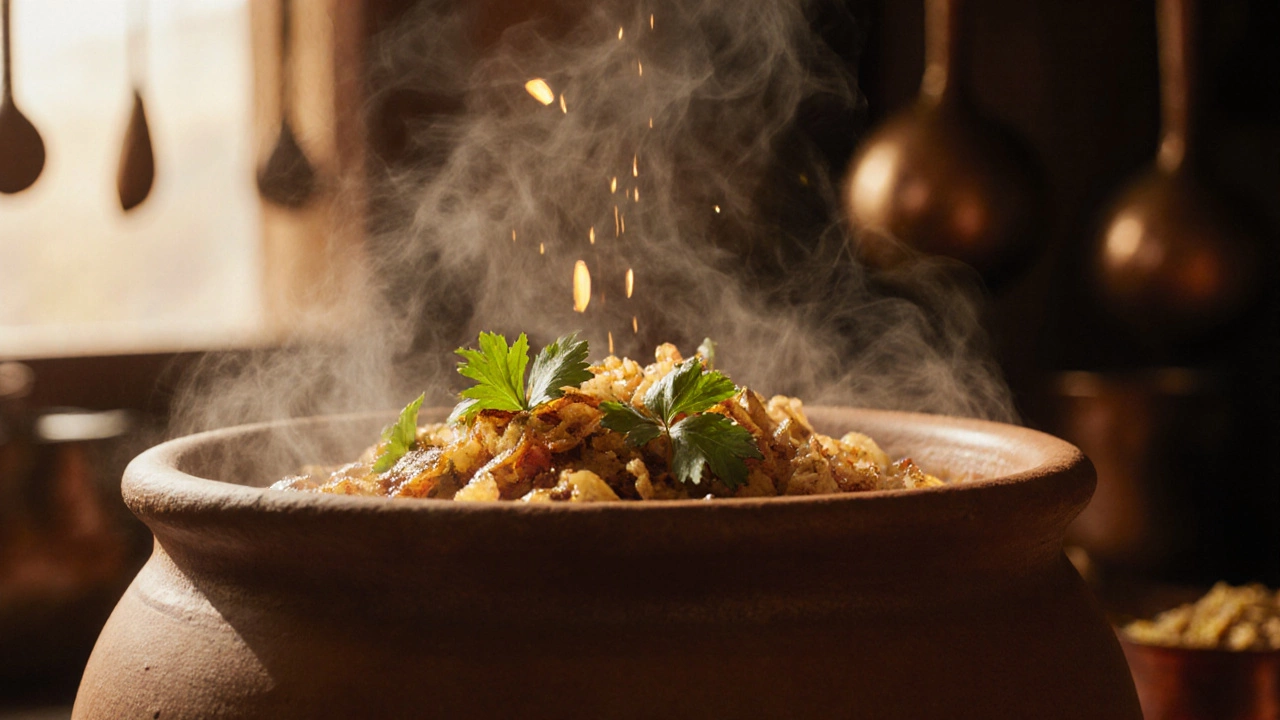
What Is the Secret Smell of Biryani? The Real Aromas Behind the Dish
The secret smell of biryani comes from layered spices, slow cooking, and hidden ingredients like kewra water and saffron-not just curry powder. Learn what makes it unforgettable.
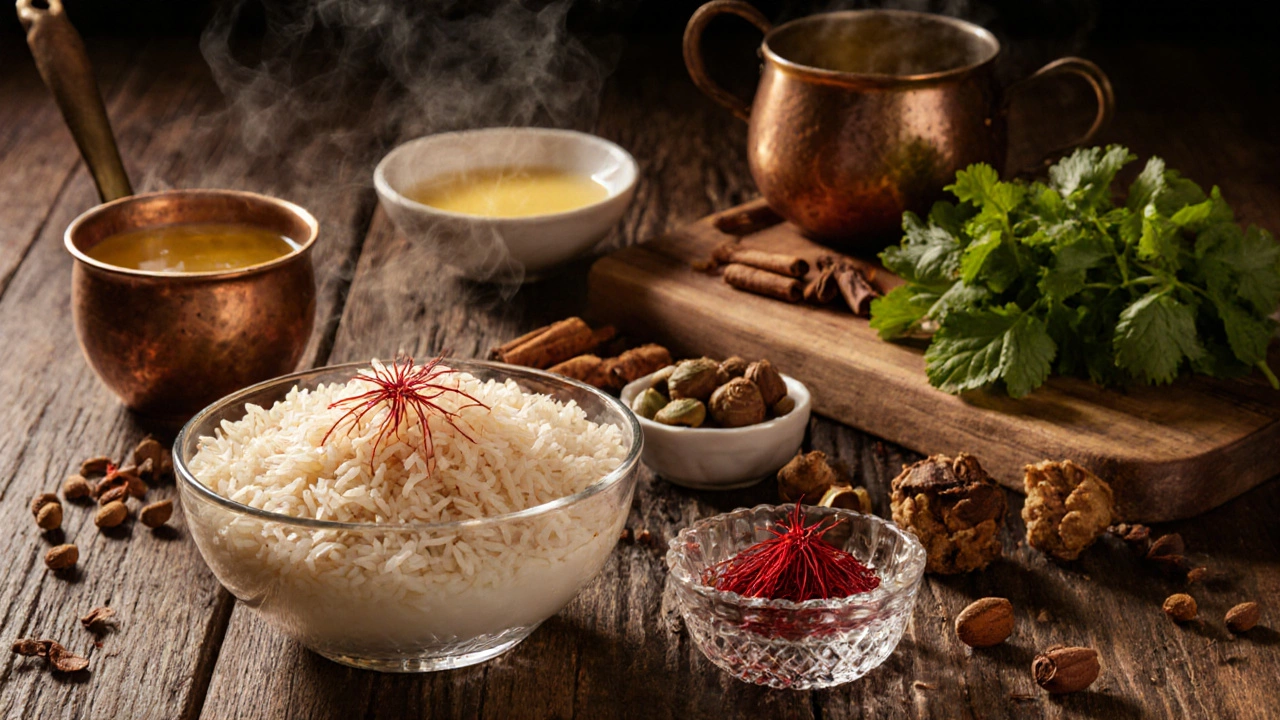
What Gives Biryani Its Aroma?
Discover the key ingredients and techniques that give biryani its unforgettable fragrance. Learn how rice, ghee, whole spices, saffron, fried onions and the dum method work together to create a head‑turning aroma.