Apples in India: How They're Grown, Used, and Loved in Indian Kitchens
When you think of apples in India, a fruit once seen as exotic but now a staple in homes from Kashmir to Kerala. Also known as seb, it's no longer just a gift fruit or a snack for kids—it's woven into everyday cooking, from sweet chutneys to spiced curries. Unlike in the West, where apples are mostly eaten raw, in India they’re often cooked, spiced, or turned into preserves that balance sweetness with heat and tang.
India grows apples mostly in the northern hills—Himachal Pradesh, Jammu & Kashmir, and Uttarakhand—where cold winters and high altitudes mimic the climate apples need. The most common varieties you’ll find in markets are Red Delicious, a sweet, firm apple that keeps well and is popular for snacking and Golden Delicious, a softer, juicier type often used in desserts. But local farmers are also experimenting with Fuji, Gala, and even early-maturing varieties to meet demand. You won’t find many wild apple trees here, but you’ll see orchards lining mountain roads, and stalls selling crisp, cold apples in winter markets.
What makes apples unique in Indian kitchens is how they adapt. They don’t just sit on the counter—they get chopped into apple chutney, a tangy-sweet condiment often paired with samosas or grilled meats, simmered into apple desserts India, like halwa or kheer, where cardamom and saffron turn them into something deeply local, and even added to meat curries for subtle sweetness. Some families in Kashmir make a dish called *seb ki sabzi*—a spiced apple curry with cumin, turmeric, and dried ginger. It sounds odd until you taste it: the fruit softens, the spices deepen it, and the result is comforting, not sweet.
There’s also a cultural shift happening. With rising health awareness, apples are being pushed as a daily snack over chips or sweets. Schools serve them. Gyms recommend them. And grocery stores now stock organic and imported varieties side by side with local ones. But the real magic? How easily they slip into traditions. You won’t find apples in Diwali sweets like laddoos, but you’ll find them in winter breakfasts—thinly sliced with yogurt and a sprinkle of chaat masala—or in apple jam spread over parathas.
What you’ll find in the posts below isn’t just a list of recipes. It’s a look at how a foreign fruit became part of India’s food story—not by replacing local ingredients, but by joining them. You’ll see how apple chutney replaces mango chutney when the season shifts, how it’s used in place of tamarind for sourness, and why some cooks swear by it in biryani for a hint of natural sweetness. Whether you’re trying to make a healthier snack, recreate a family recipe, or just curious how apples fit into Indian meals, these posts give you the real, practical side of it—no fluff, no theory, just what works in the kitchen.
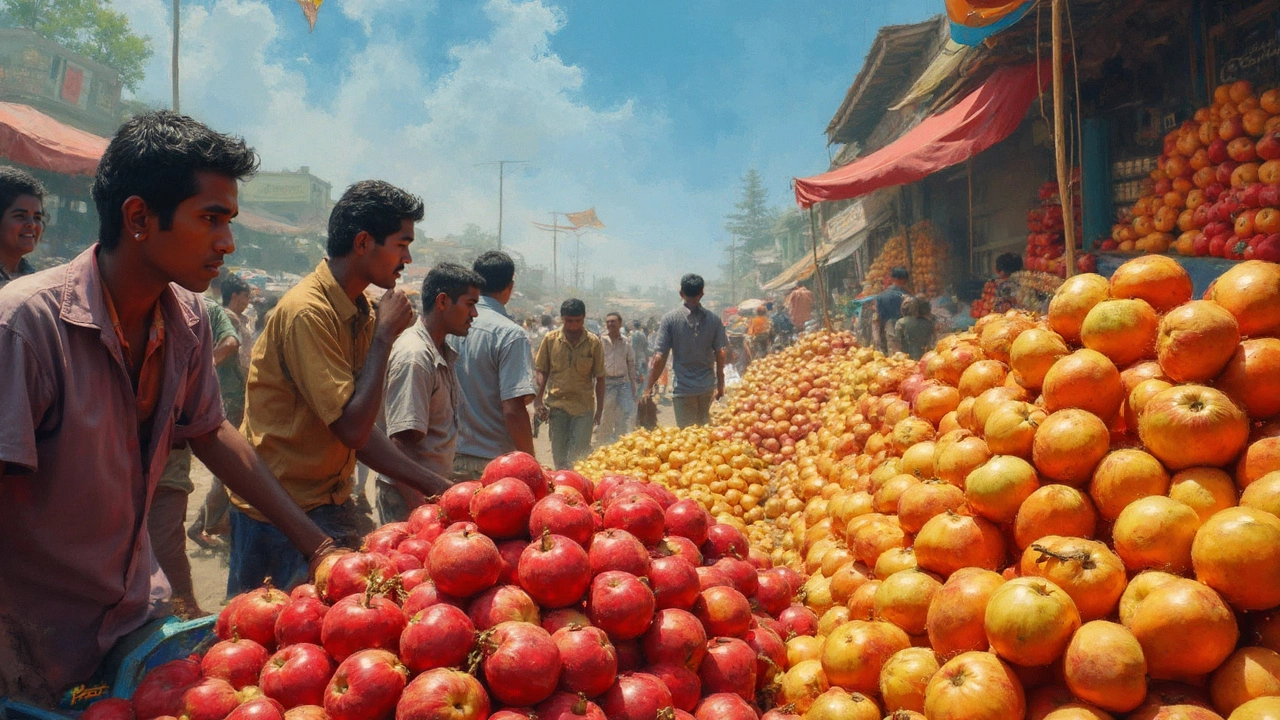
Are Apples in India Safe to Eat?
In India, apples are a popular fruit choice, but are they safe to eat? This article explores the safety of apples in India, discussing potential concerns about pesticides and offering practical tips for cleaning them. It also highlights regional apple varieties and nutritional benefits, helping readers make informed choices while enjoying this delicious fruit.