Big Fat Indian Recipes: Authentic Dishes, Cooking Secrets, and Regional Flavors
When you think of Indian recipes, a vibrant collection of regional dishes built on spices, technique, and tradition. Also known as Indian cuisine, it’s not just about curry—it’s about how biryani steams to perfection, why paneer holds its shape in gravy, and how chutney balances every bite with sweet, sour, and heat. These aren’t random dishes. They’re rooted in decades of kitchen wisdom, passed down through families and adapted for modern homes.
From the smoky tandoori chicken with its fiery red hue to the simple roti that refuses to puff, every recipe here solves a real problem you’ve probably faced. You want to know why your dosa sticks, what replaces paneer when you’re out, or how to make biryani smell like it came from a Mumbai street stall. We don’t guess—we test. And we show you exactly what works, with no fluff.
Below, you’ll find over 20 practical guides that cut through the noise. Whether you’re making breakfast idli or hunting for the costliest sweet in India, you’ll find clear answers, real fixes, and the kind of details that turn good cooks into great ones.
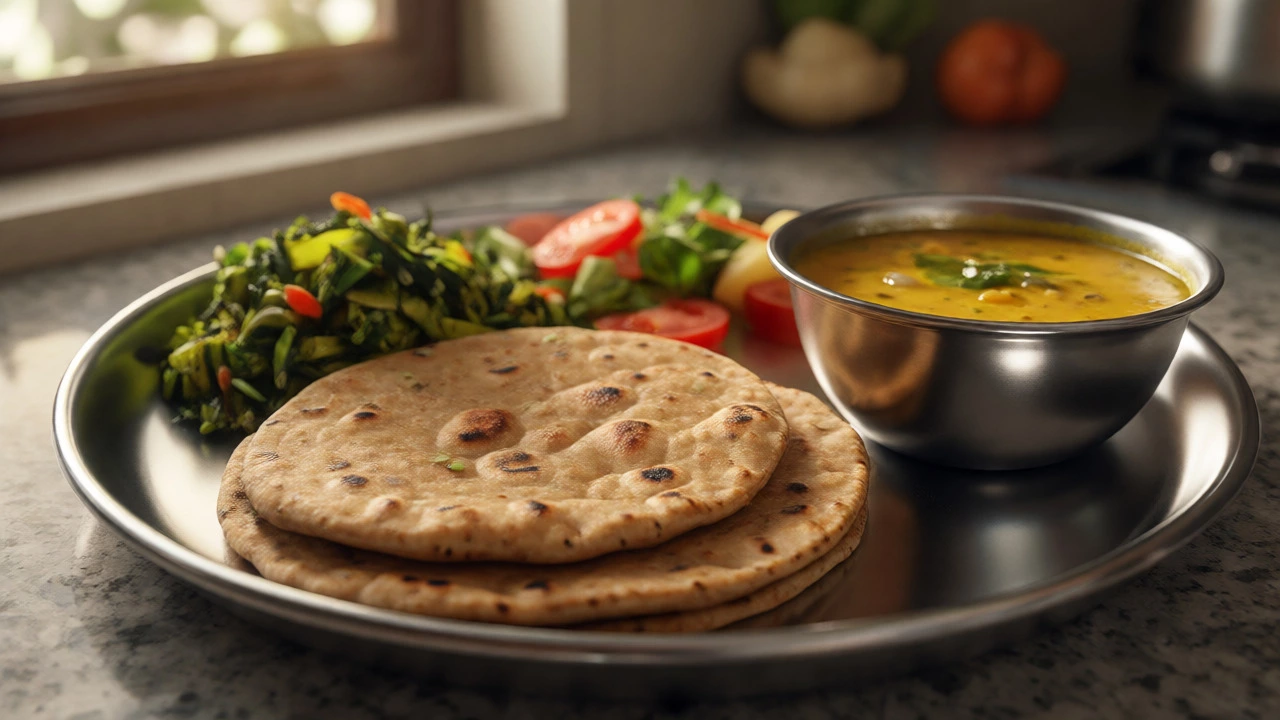
How Many Chapatis to Lose Belly Fat: A Practical Guide
Discover the optimal number of chapatis to eat daily for belly fat loss. Learn portion control tips, calorie counts, and how to pair rotis for a healthier diet.
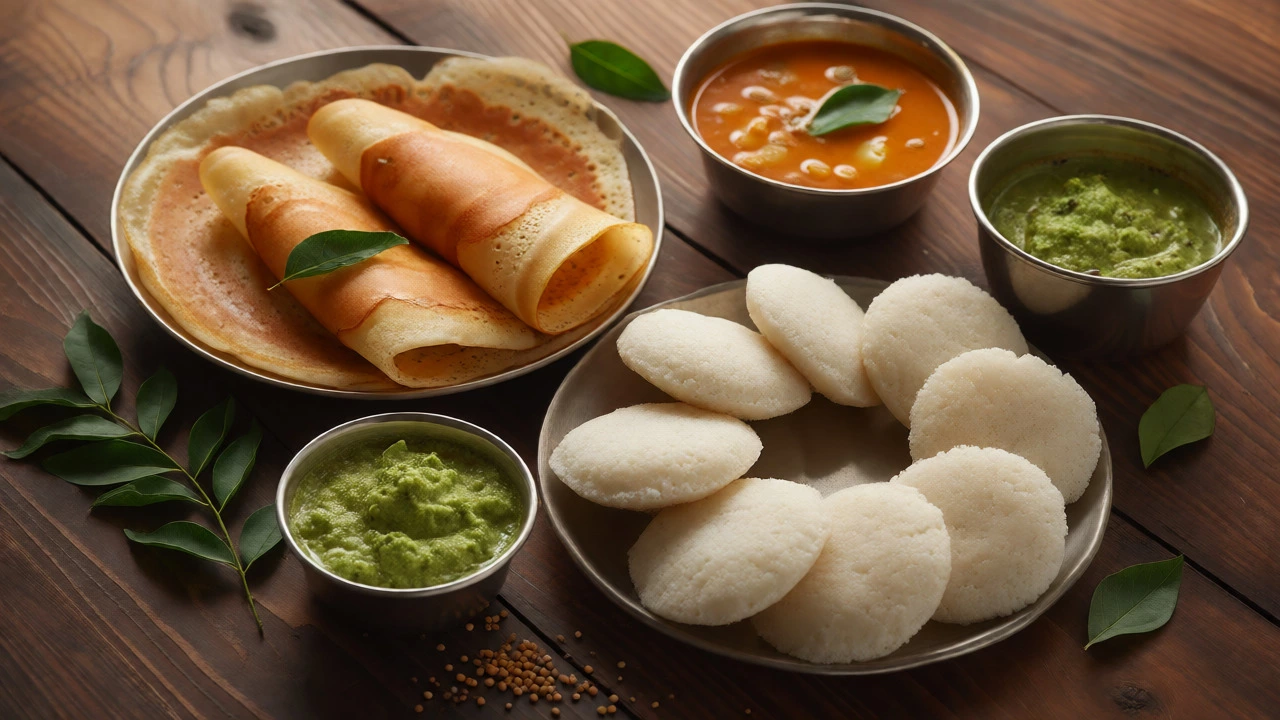
What Indian Dishes Don't Have Dairy? A Guide to Vegan-Friendly Classics
Discover which Indian dishes are naturally dairy-free. Learn to navigate menus, avoid hidden ghee, and enjoy rich coconut-based curries, lentils, and breads.
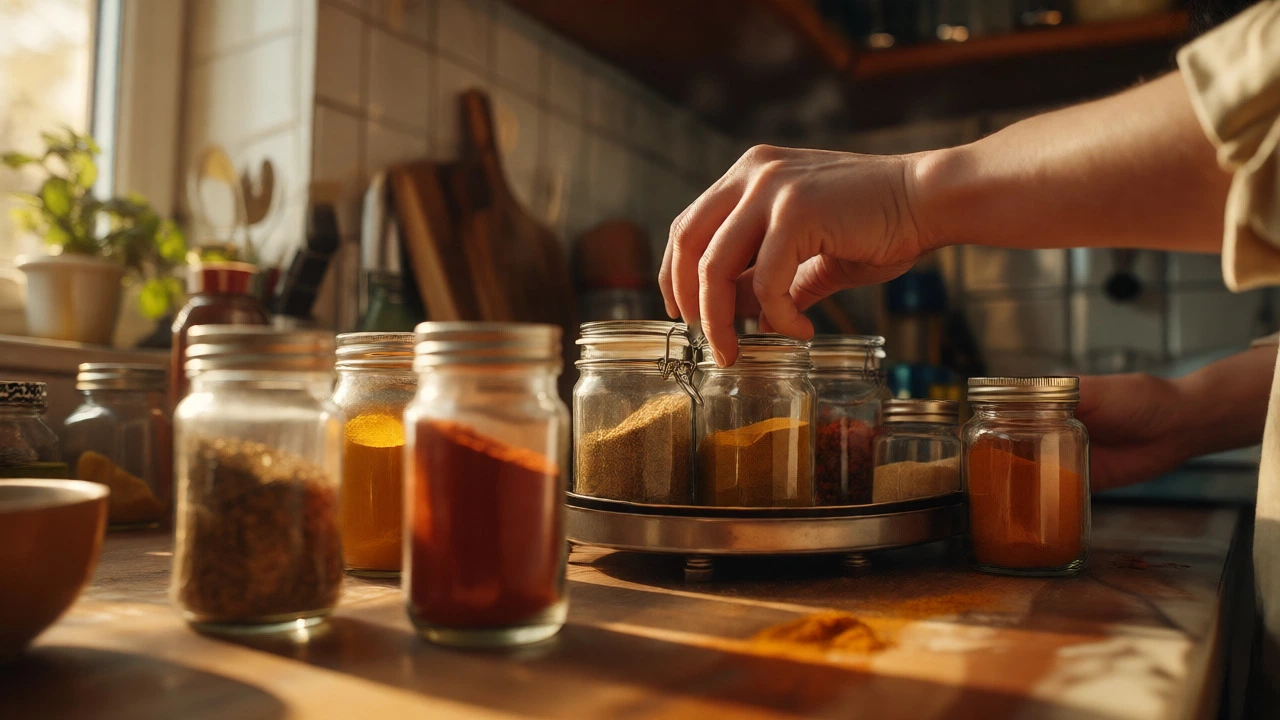
What is the Closest Spice to Curry Powder? Top Substitutes & Blends
Missing curry powder? Discover the best substitutes like garam masala, turmeric blends, and DIY mixes to save your chicken curry recipe.
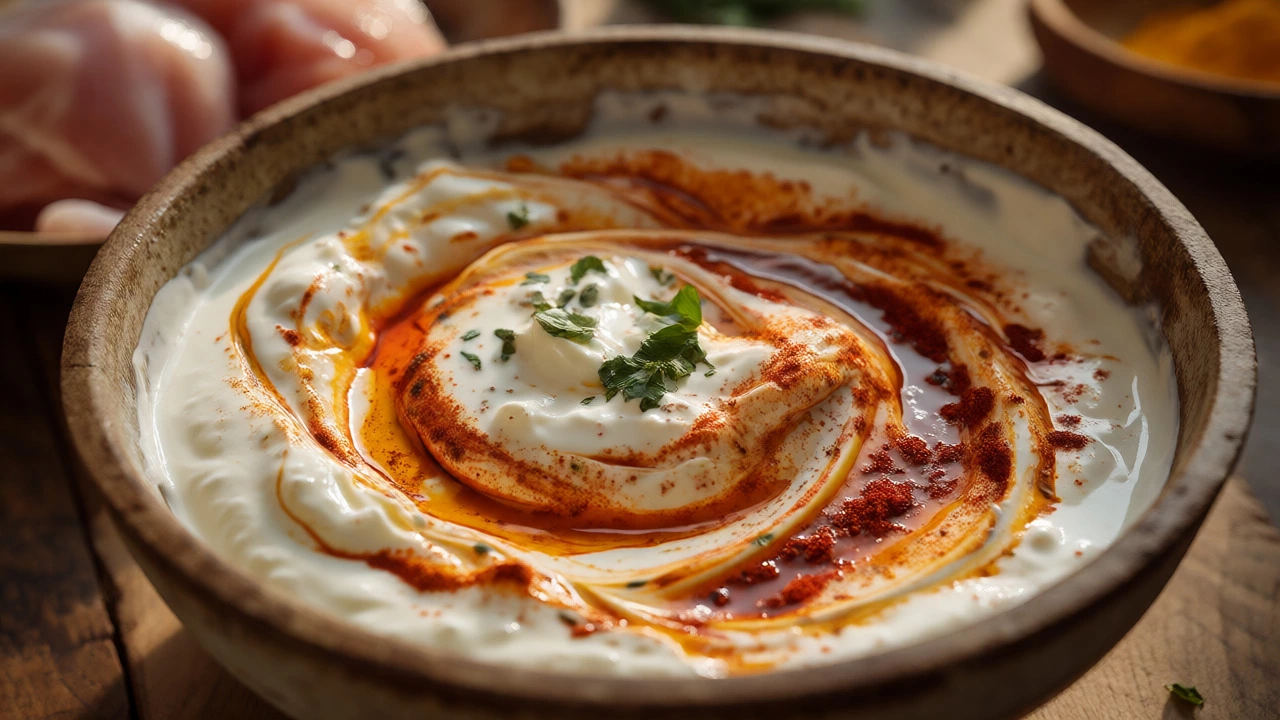
The Secret Ingredient in Tandoori Chicken Marinade: Why Yogurt Wins
Discover why yogurt is the secret weapon in tandoori chicken marinades. Learn how lactic acid tenderizes meat, protects against high heat, and creates the signature char.
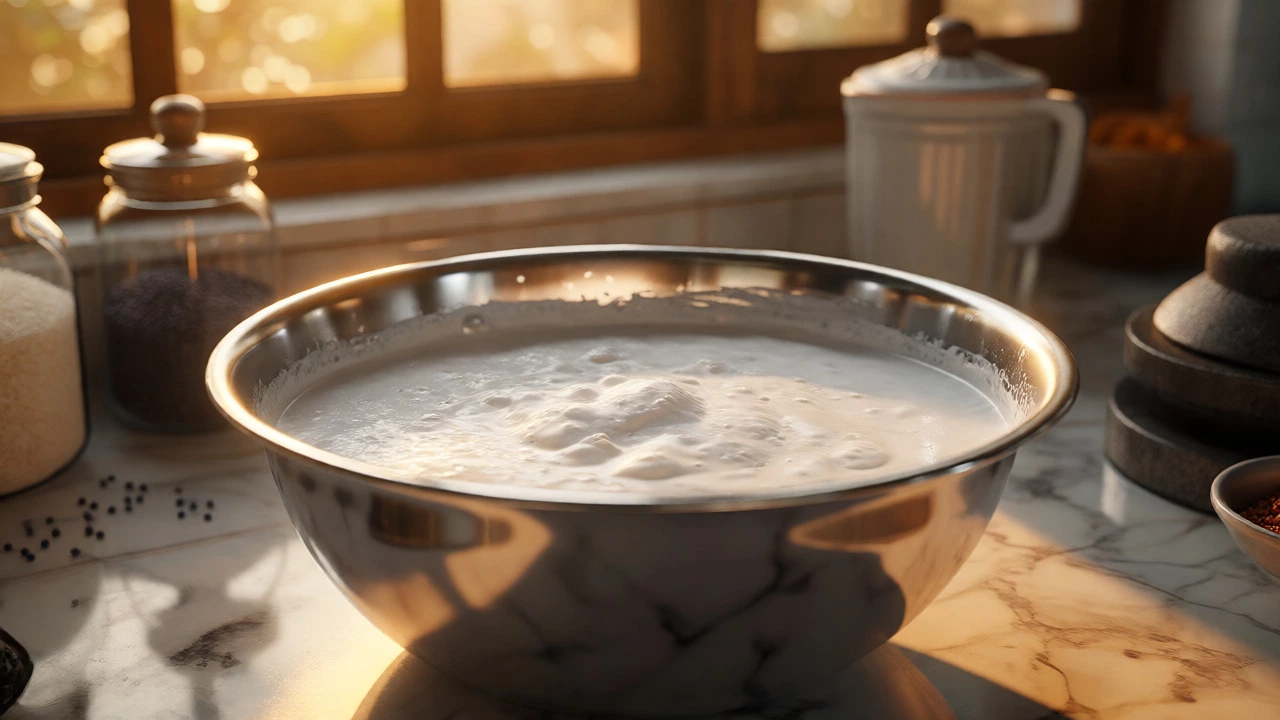
Why Is My Dosa Batter Not Fluffy? Fixing Fermentation Issues
Struggling with flat, dense dosas? Discover the real reasons behind failed fermentation, from temperature traps to ingredient ratios, and learn how to achieve perfectly fluffy results.
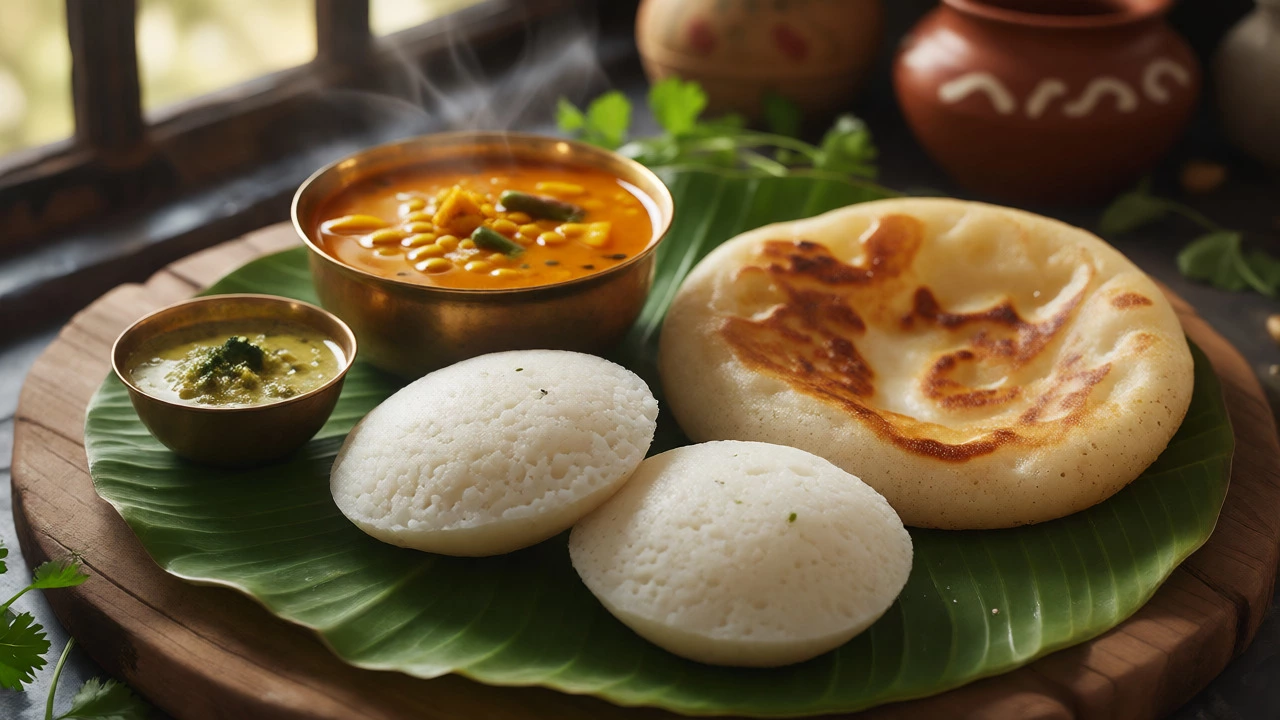
What Indian Food Is Not Fattening? A Guide to Light, Healthy Eats
Discover which Indian foods are actually low-calorie and weight-loss friendly. Learn to navigate menus and cook at home using steamed, grilled, and legume-based dishes.
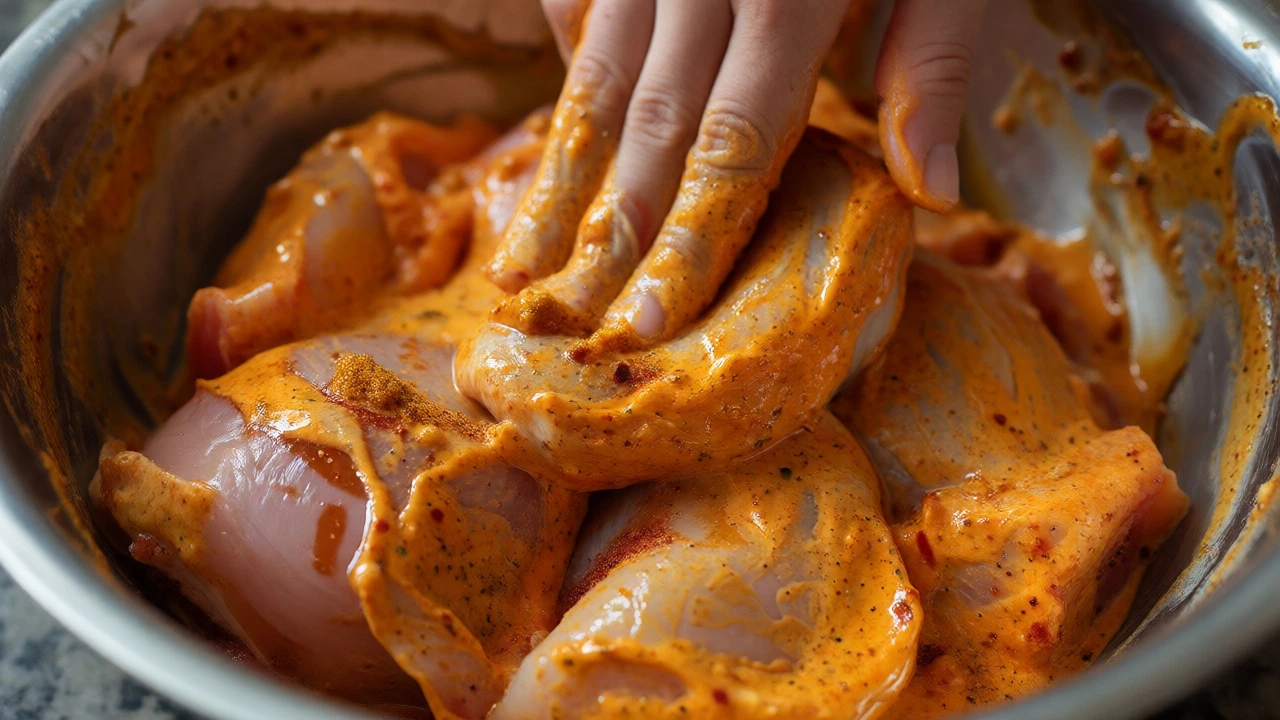
The Secret Taste of Biryani: Unlocking the Flavor
Discover the real secrets behind perfect biryani. Learn why marination, par-cooking rice, and the dum method create that unforgettable flavor.
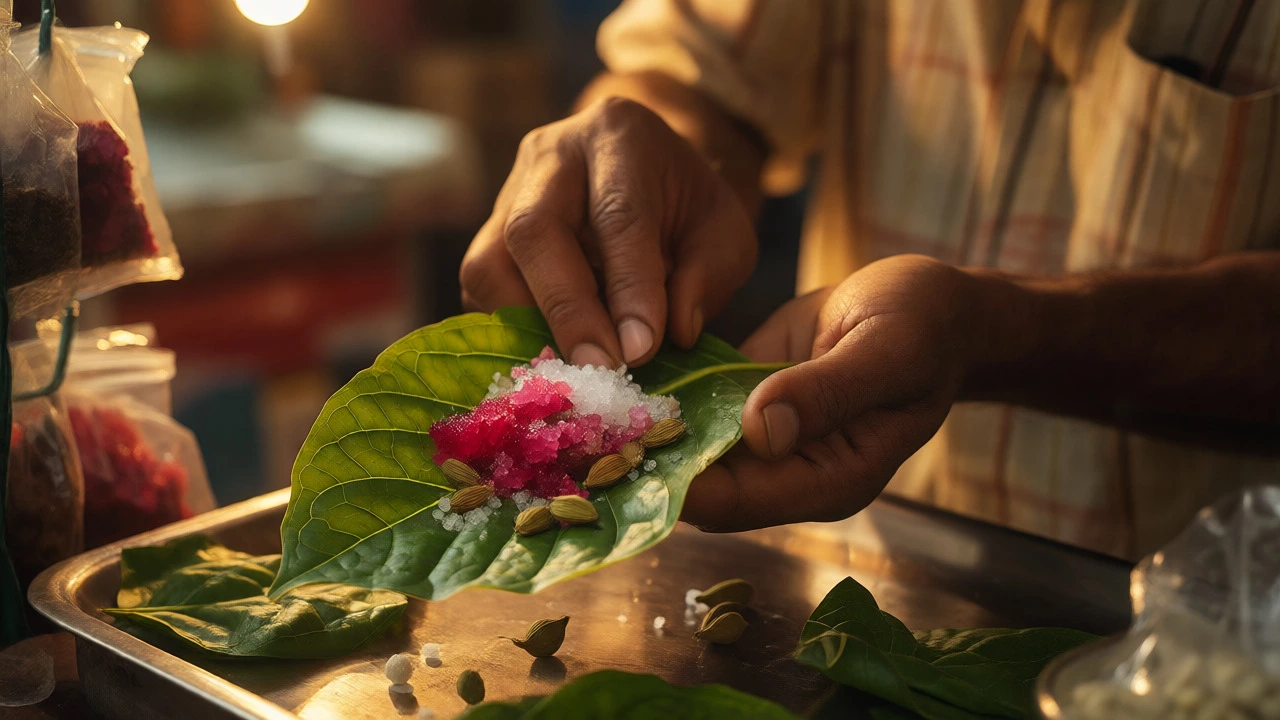
What Is the Indian Chewing Stuff? A Guide to Paan and Gutka
Discover what the famous 'Indian chewing stuff' really is. We break down the differences between Paan and Gutka, explain the ingredients like betel leaf and areca nut, and reveal why it stains everything red.
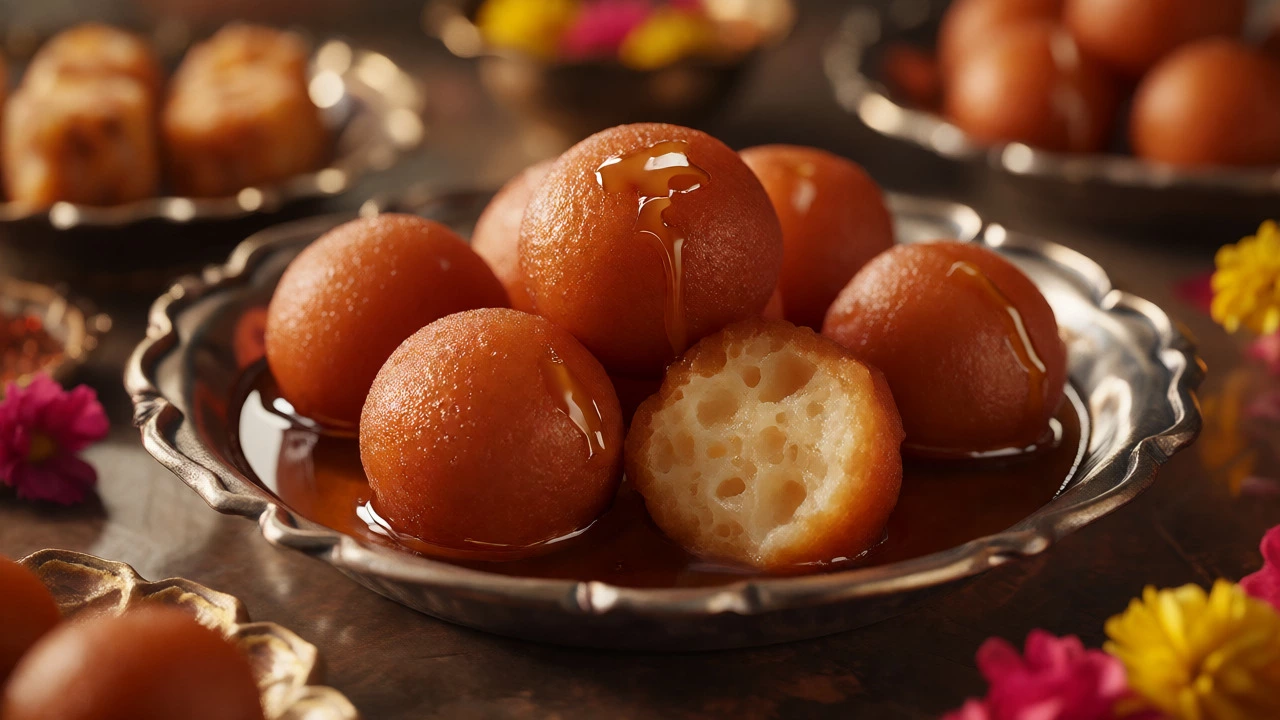
What is the National Sweet Dish of India? The Truth About Gulab Jamun
Discover why India lacks an official national sweet despite having iconic dishes like Gulab Jamun. Explore regional champions like Rasgulla and Payasam.

How Do You Say Chutney in English? Definition, Pronunciation, and Usage
Discover how to say and define chutney in English. Learn pronunciation, differences from salsa/relish, and usage tips.
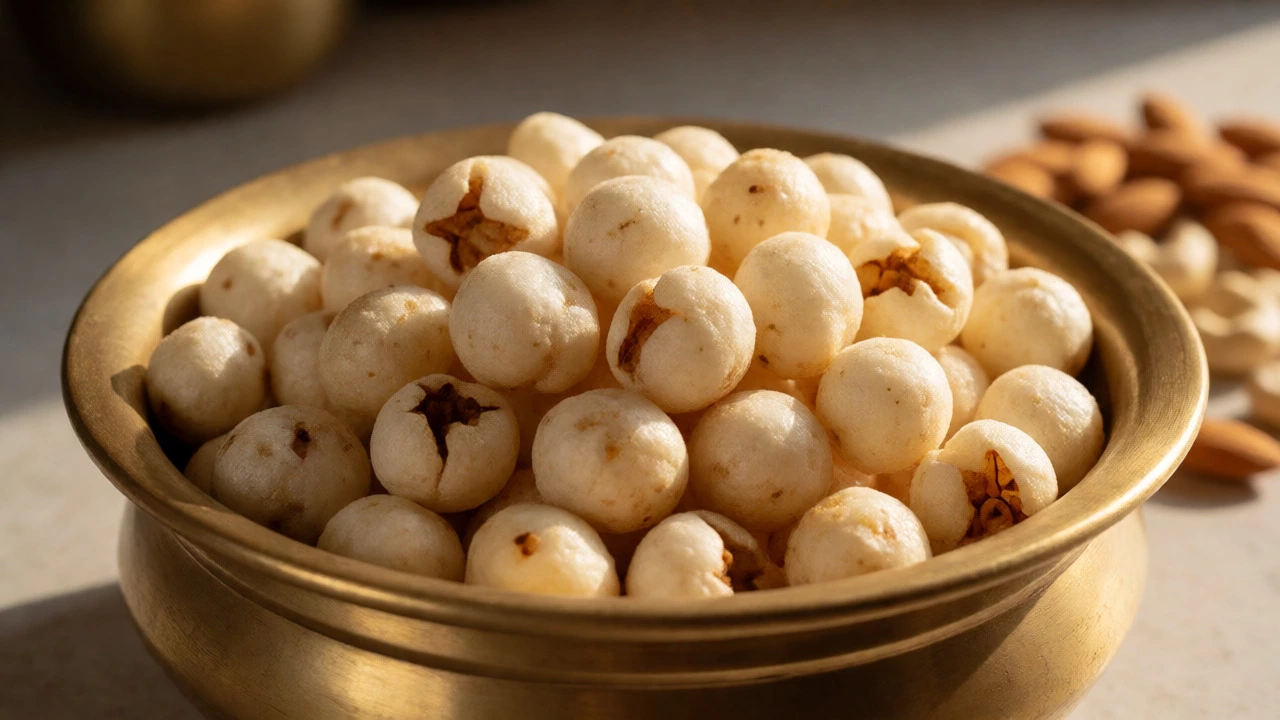
How to Gain Weight Fast in 1 Week with Healthy Indian Snacks
Struggling to see the scale move? Discover how to gain weight fast in 1 week using delicious, calorie-dense healthy Indian snacks like makhana, paneer, and ghee-rich treats.
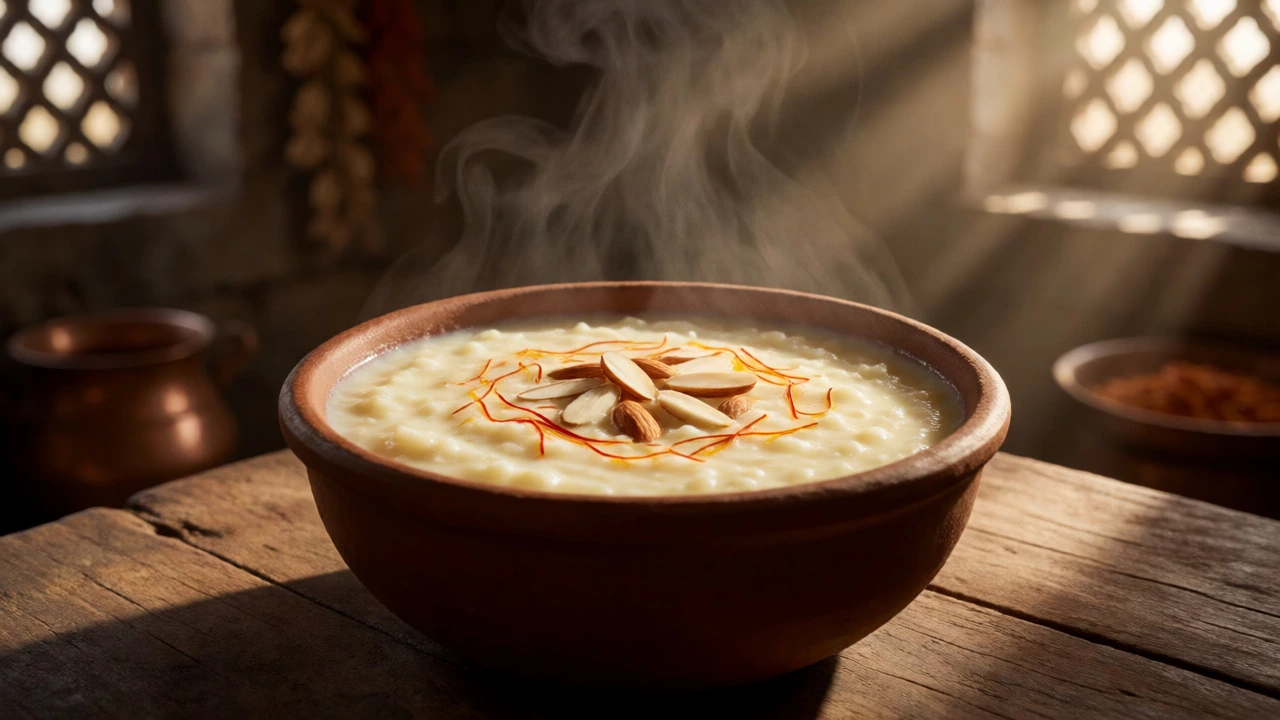
The Oldest Sweet Dish of India: Uncovering the History of Payasam
Discover why Payasam (Kheer) is widely regarded as the oldest sweet dish in India. Explore its 2,000-year history, regional variations, and authentic cooking methods.