Vegetarian Health: Smart Eating, Real Results from Indian Kitchen
When it comes to vegetarian health, a way of eating centered on plants that still delivers energy, strength, and long-term wellness. Also known as plant-based eating, it’s not about giving up flavor—it’s about choosing smarter ingredients. And no cuisine does this better than Indian food, where centuries of tradition have turned vegetables, legumes, and dairy into powerful, satisfying meals. You don’t need meat to feel full, strong, or energized. The real secret? It’s in the spices, the grains, and the way Indian cooks balance protein, fiber, and healthy fats in every dish.
Take paneer, a fresh, non-melting Indian cheese made from curdled milk and acid. It’s a cornerstone of vegetarian health in India—high in protein, low in fat compared to most cheeses, and holds up beautifully in curries, grills, and snacks. Unlike processed cheese, paneer doesn’t come with preservatives or excess sodium. It’s whole food, made simply. And when paired with chana masala, a spicy chickpea curry rich in fiber and iron, you’ve got a meal that keeps blood sugar steady and hunger away for hours. Even rice water, the starchy liquid left after rinsing or boiling rice, shows up in Indian homes not as a fad, but as a gentle digestive aid that supports metabolism without calories.
Vegetarian health in India isn’t about deprivation. It’s about abundance—dosa made with fermented rice and lentils, dal tadka simmered with turmeric and cumin, roti rolled thin and cooked on a hot griddle. These aren’t just meals. They’re nutritionally complete, culturally rooted, and backed by science. Studies show people who eat traditional Indian vegetarian diets have lower rates of heart disease and type 2 diabetes—not because they avoid meat, but because they eat real food, cooked with care. You won’t find sugary snacks or fried street food in these meals. Instead, you’ll find lentils soaked overnight, spices toasted to unlock their benefits, and ghee used sparingly for flavor, not overload.
What you’ll find in this collection are real answers to real questions: Is paneer healthier than cheese? Can rice water help you lose weight? What’s the healthiest Indian dish to order at a restaurant? How do you make roti puff without burning it? These aren’t theoretical guesses. They’re tested tips from kitchens across India, where vegetarian health has been practiced for generations—not as a trend, but as a way of life. Whether you’re cooking for yourself, your family, or just curious about how to eat better without meat, the recipes and advice here are built to work in your kitchen, not just on a screen.
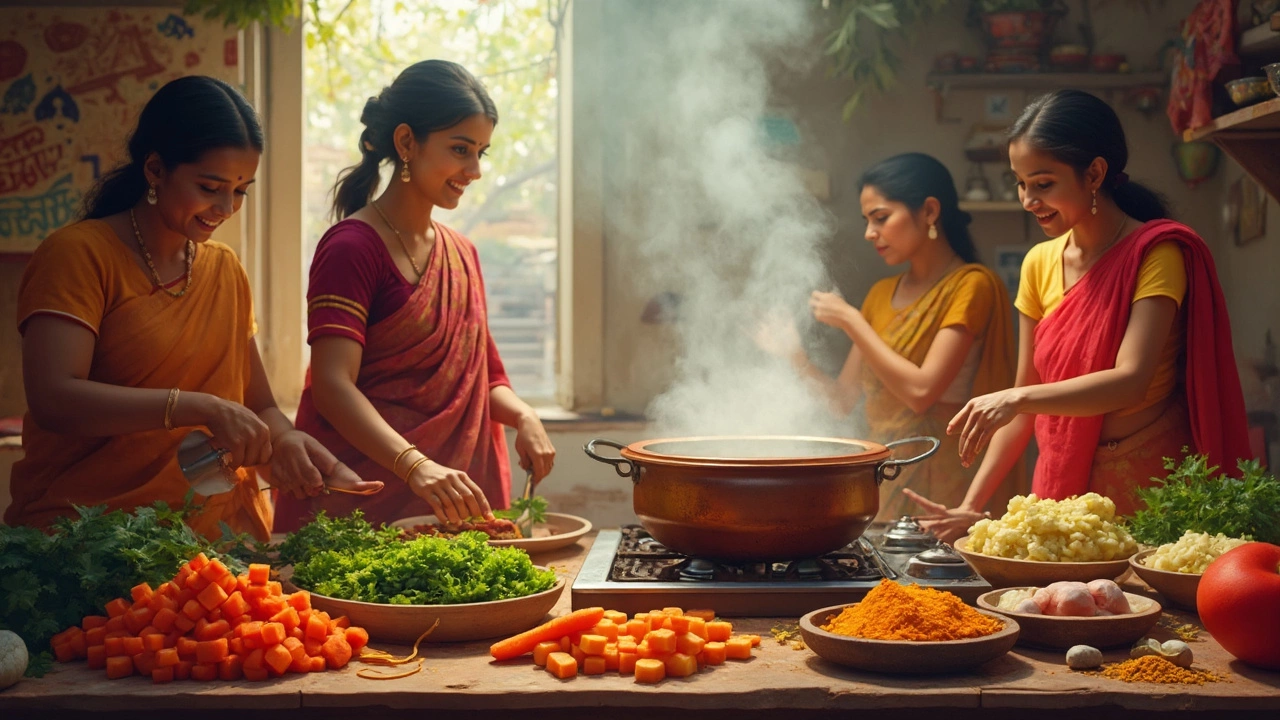
Is Indian Vegetarian Food Healthy? Exploring Its Benefits
Indian vegetarian food is more than just a staple of the subcontinent; it's a culinary art form that combines nutrition and delicious flavors. This article delves into the health aspects of Indian vegetarian dishes, highlighting how spices and ingredients contribute to overall well-being. Whether it's the fiber-rich legumes or antioxidant-packed spices like turmeric, Indian vegetarian cuisine offers numerous health benefits. Understanding these can help anyone make informed dietary choices while enjoying the richness of Indian flavors.