Vegetarian Dishes: Easy, Flavorful Indian Meals You Can Make at Home
When people think of vegetarian dishes, a wide range of plant-based meals from India that rely on lentils, vegetables, dairy, and spices for deep flavor. Also known as Indian vegetarian food, it’s not just about what’s missing—it’s about what’s there: rich curries, fluffy breads, and sides that make every bite count. India has one of the oldest and most diverse traditions of vegetarian cooking in the world, built on centuries of culture, religion, and smart use of local ingredients.
You won’t find bland tofu stir-fries here. Indian vegetarian dishes are bold, layered, and often centered around paneer, a fresh, non-melting cheese made by curdling milk with lemon juice or vinegar. Also known as Indian cottage cheese, it holds its shape in spicy gravies and gets golden when fried—perfect for dishes like palak paneer or paneer tikka. Then there’s vegetarian curry, a broad category of spiced stews made with lentils, chickpeas, potatoes, or vegetables, simmered in tomato, onion, and aromatic spices like cumin, turmeric, and coriander. These aren’t just side dishes—they’re the heart of the meal, served with rice or warm roti. And let’s not forget the sides: cooling raita, crispy dosas, and fluffy basmati rice that turn a simple plate into a full experience.
What makes these dishes work isn’t fancy equipment or hard-to-find ingredients. It’s technique—how you toast spices, when you add lemon juice to milk for paneer, or why your roti won’t puff if the dough isn’t rested. The posts below cover exactly that: how to fix flat roti, what replaces paneer when you’re out, why biryani smells so good even without meat, and which Indian snacks are actually healthy. You’ll find real answers—not just recipes, but the why behind them. Whether you’re new to Indian cooking or just tired of the same old veggie bowls, this collection gives you the tools to make meals that are rich, satisfying, and unmistakably Indian.
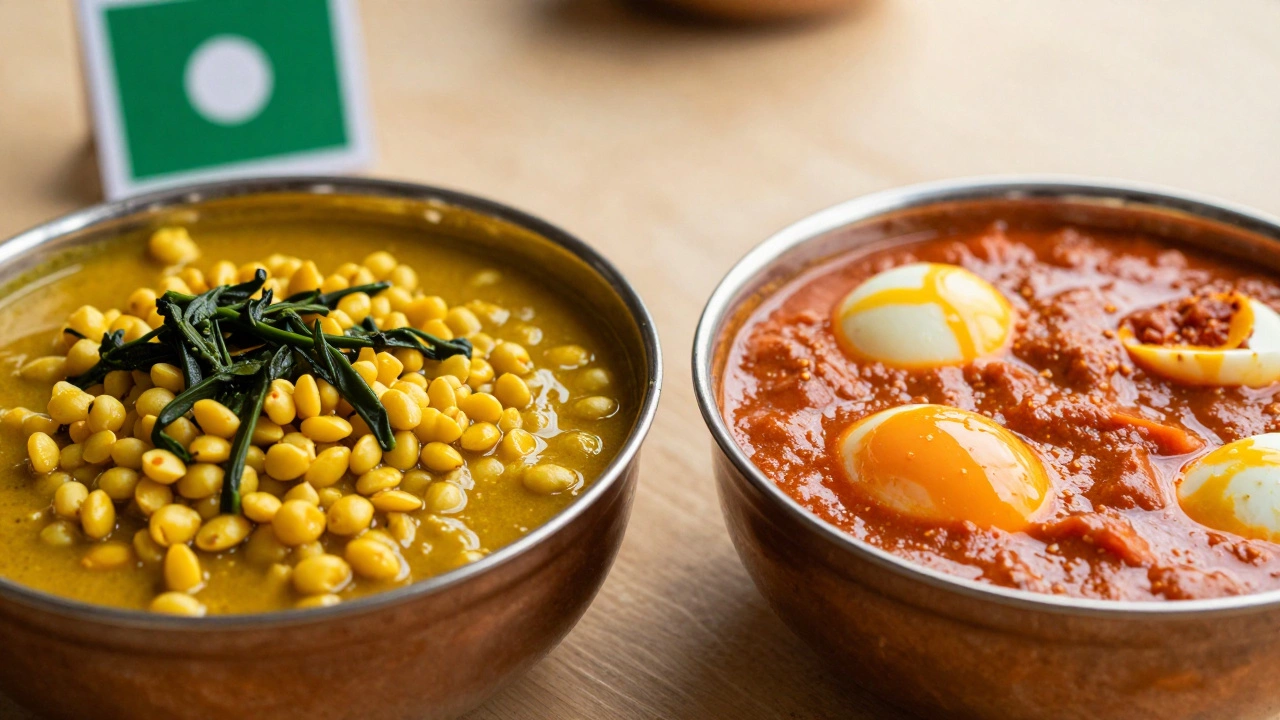
Does Indian Food Have Eggs? A Complete Guide to Vegetarian and Egg-Containing Dishes
Discover if Indian food contains eggs. Learn which dishes are egg-free, how to navigate menus, and the cultural reasons behind vegetarianism in Indian cuisine.

Why Vegetarian Dishes Reign Supreme in India
Vegetarian dishes hold immense popularity in India due to a combination of cultural, religious, and health reasons. Rooted deeply in tradition, about 30 percent of Indians identify as vegetarian. Factors like religious beliefs, particularly in Hinduism and Jainism, alongside the culinary variety offered by vegetarian meals, contribute to this preference. These dishes not only cater to local tastes but also offer a playful spin on what's considered healthy eating worldwide.
What's the Most Ordered Vegetarian Dish in India?
Indian cuisine offers a wide range of delicious vegetarian dishes, and one stands out as the most ordered across the country. This article explores the factors contributing to the popularity of this beloved dish, its unique ingredients, and its cultural significance. Whether you're a seasoned lover of Indian food or a curious newcomer, you'll find valuable insights into what makes this dish so irresistible. Additionally, discover some easy tips to try making it at home.
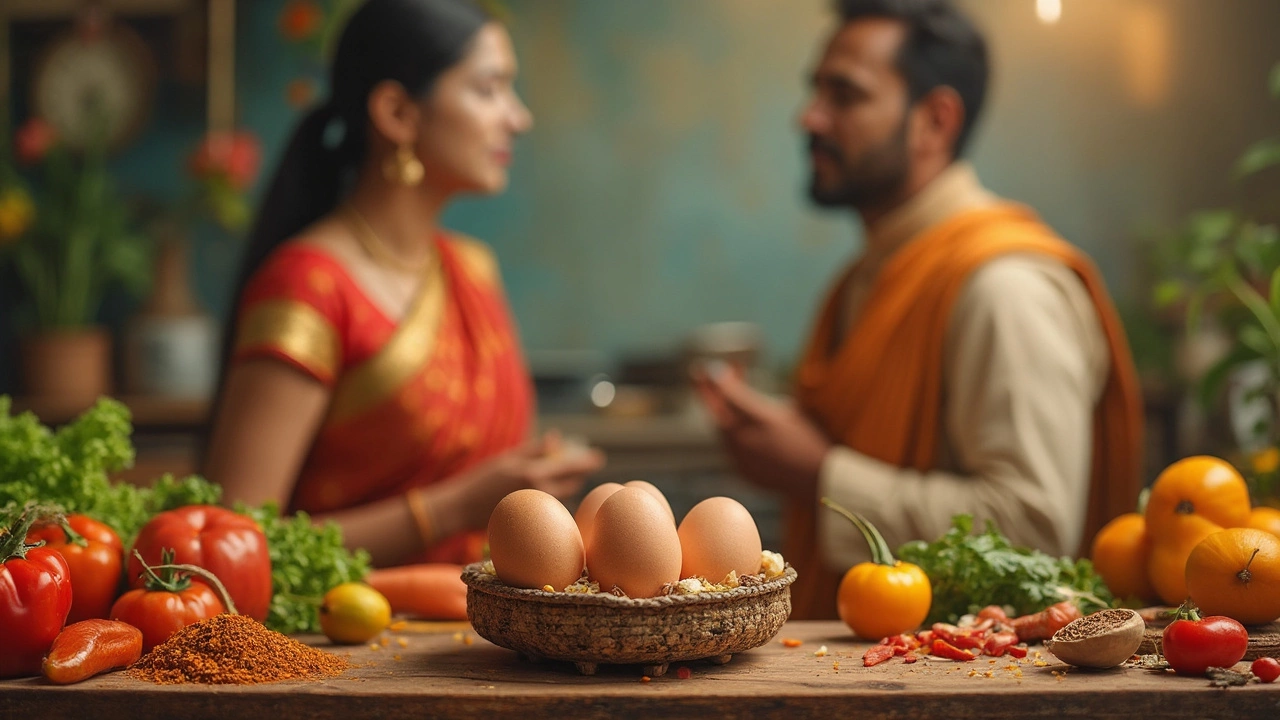
Are Eggs OK to Eat in India? Exploring Culinary Traditions and Preferences
While India is known for its rich and diverse vegetarian cuisine, the inclusion of eggs in a vegetarian diet can be a topic of debate. With varying regional traditions and personal preferences, understanding the cultural and dietary significance of eggs in India can offer fascinating insights. This article explores whether eggs fit into the vegetarian paradigm in India, how they're perceived across different regions, and offers tips on incorporating them into meals. Find out how eggs can play a role in Indian vegetarian dishes while respecting cultural preferences.
Which Country Eats the Least Meat?
Explore which country has the lowest meat consumption and discover fascinating vegetarian Indian dishes that make it easy to cut back on meat. Learn about cultural influences, dietary habits, and the benefits of a plant-based diet, focusing on flavors and nutrients. Uncover intriguing facts and tips to inspire your journey towards a more vegetarian lifestyle.
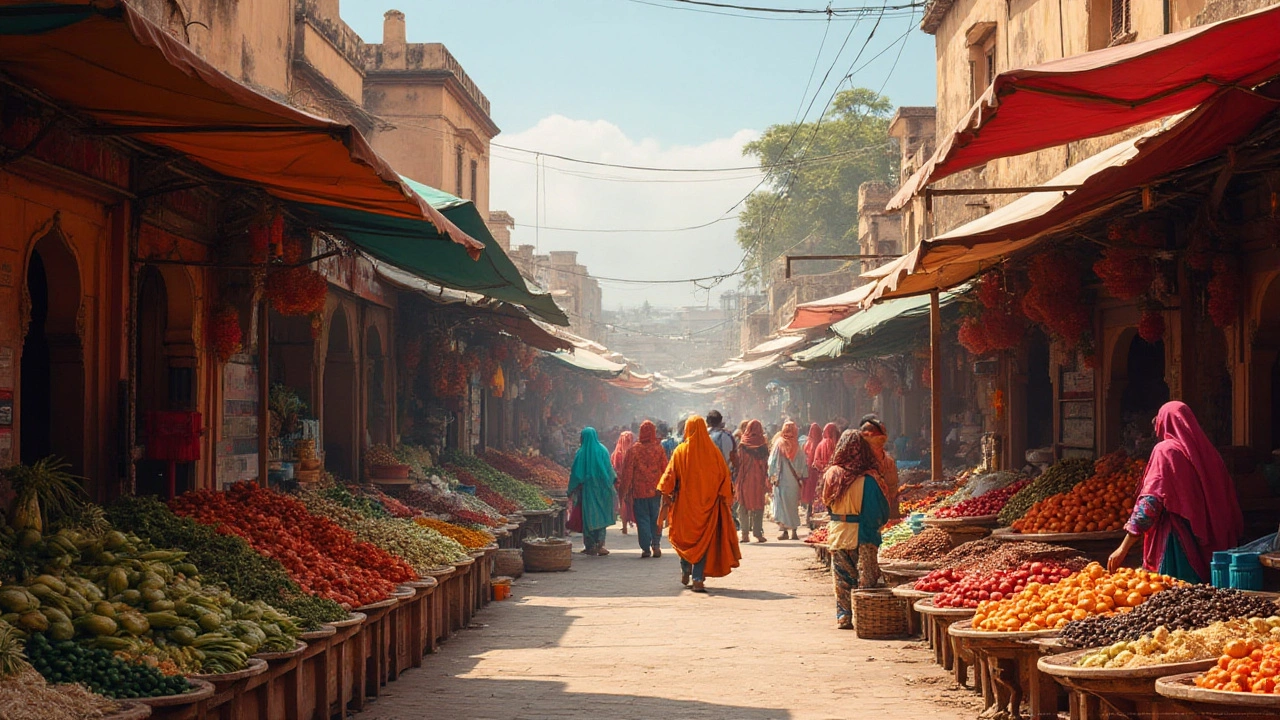
Indian Vegetarian Cultures: A Culinary Exploration
India's culinary landscape is a rich tapestry woven with a multitude of vibrant cultures, many of which uphold vegetarianism as a dietary principle. Certain Indian communities and regions historically embrace vegetarianism due to cultural, religious, and philosophical beliefs. This article explores these vegetarian traditions across India, highlighting the influence on local cuisine. Dive into the diverse vegetarian practices of Indian communities to understand how these customs shape their culinary identity.