Tandoori: The Bold Flavors and Secrets Behind India's Iconic Grilled Dishes
When you think of tandoori, a cooking style from North India that uses a clay oven called a tandoor to sear meats and bread at high heat. Also known as tandoor-cooked food, it’s the reason your favorite chicken dish has that smoky, spicy crust that just won’t quit. Tandoori isn’t just a recipe—it’s a whole method, rooted in centuries of village cooking, where fire, clay, and spice work together to transform simple ingredients into something unforgettable.
The magic starts with the tandoor, a cylindrical clay oven heated with charcoal or wood to over 480°F, creating intense radiant heat that sears food instantly. Also known as clay oven, it’s what gives tandoori its signature char and locks in juices without drying out the meat. That bright red color? It’s not food dye—it’s Kashmiri chili powder, mixed with yogurt, garlic, ginger, and a handful of spices like cumin, coriander, and garam masala. The yogurt tenderizes the chicken, while the spices cling to it like a second skin. You’ll find this same marinade used on paneer, fish, even vegetables today, but tandoori chicken remains the star.
What makes tandoori different from regular grilled chicken? It’s the smoke. The tandoor doesn’t just cook—it infuses. That’s why you can’t replicate it perfectly on a backyard grill unless you’ve got a smoker and serious patience. Even the breads, like naan, get slapped onto the oven walls and puff up in seconds, soaking up that wood-fired aroma. It’s no wonder restaurants charge extra for tandoori dishes—they’re not just cooking, they’re performing.
And it’s not just about the meat. The sides matter just as much. A cooling raita, a wedge of lime, a pile of fresh cilantro—these aren’t garnishes, they’re necessities. You need the contrast. The heat needs the chill. The smoke needs the freshness. That’s why every post in this collection ties back to this balance: how to get the color right, what spices to use, which sides make it complete, and why your tandoori chicken turns out too dry or too bland.
Whether you’re trying to recreate that restaurant-style red chicken at home, or just want to understand why tandoori tastes so different from curry, you’ll find answers here. We’ve got the science behind the color, the mistakes that ruin your marinade, the best substitutes if you don’t have a tandoor, and the exact sides that turn a meal from good to legendary. No fluff. Just real talk from people who’ve burned their fingers, spilled yogurt, and finally got it right.
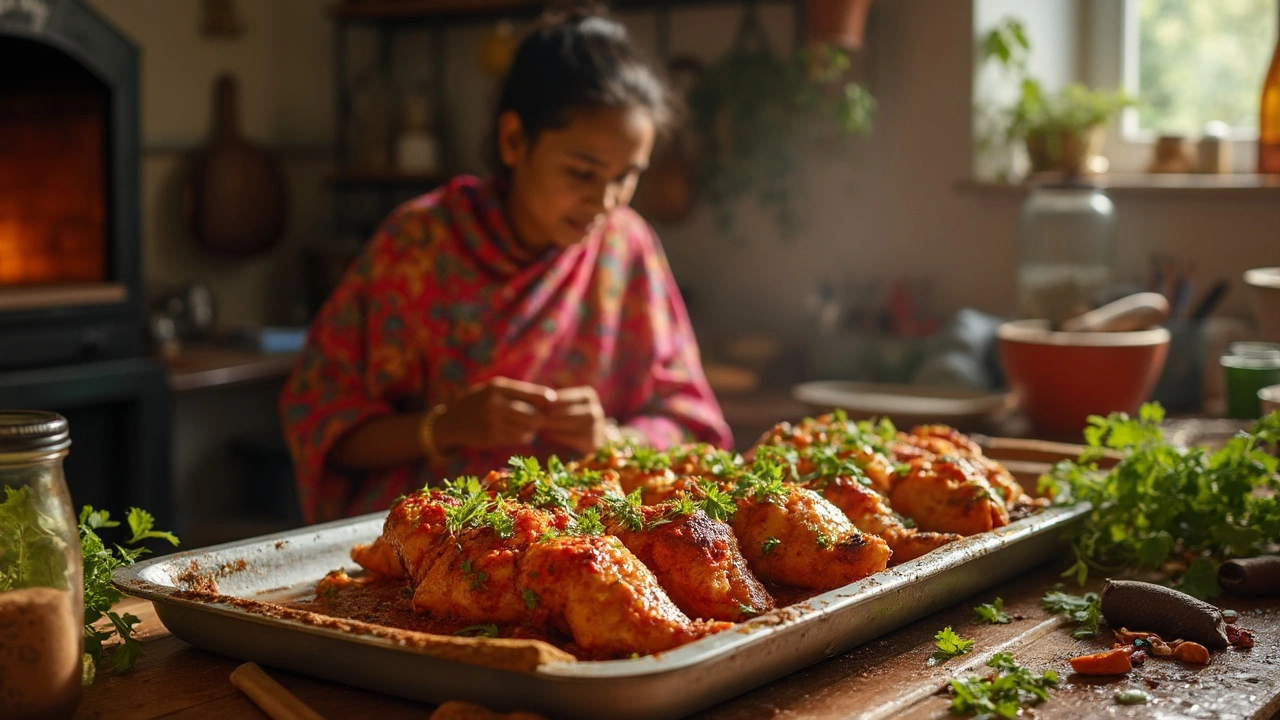
Why Is My Chicken Pooping Liquid? Cooking Insights for Tandoori Fans
If your chicken is producing liquid when cooked, you're not alone. This article breaks down why chicken can seem to 'poop' liquid, especially during tandoori cooking. We'll look at what causes excess moisture, how to prevent it, and how it impacts flavor and safety. Find practical tips to help you cook juicy, not soggy, tandoori chicken every time. Save yourself from common mistakes and learn what really matters when your marinade drips.