Sugar-Free Mithai: Healthy Indian Sweets Without the Sugar Crash
When you think of sugar-free mithai, Indian sweets made without refined sugar, often using natural sweeteners like jaggery, stevia, or dates. Also known as diabetic-friendly Indian desserts, it’s not about giving up tradition—it’s about reimagining it for better health. Millions of people in India, from grandparents managing diabetes to young moms watching their sugar intake, are turning to sugar-free mithai without sacrificing the rich, festive taste they grew up with.
What makes sugar-free mithai work isn’t just swapping sugar for something else—it’s understanding how texture, spice, and fat play together. Take ghee, clarified butter used in Indian sweets for richness and mouthfeel. It’s not just a fat—it’s the carrier of flavor. In sugar-free laddoos, ghee binds nuts and seeds, giving that melt-in-your-mouth feel that sugar used to provide. Then there’s jaggery, unrefined cane sugar with minerals and a deep molasses flavor. It’s not sugar-free, but it’s far less processed than white sugar, and many recipes use just a teaspoon to add depth without a sugar rush. And let’s not forget cardamom, a warm, floral spice that enhances sweetness without adding calories. A pinch can trick your brain into thinking something is sweeter than it is.
Sugar-free mithai isn’t a modern fad—it’s a return to older ways. Before refined sugar became cheap and everywhere, Indian sweets relied on dried fruits, nuts, milk solids, and natural sweeteners. That’s why recipes like date-and-almond burfi or coconut-and-fig laddoos taste so satisfying. They’re dense, slow-digesting, and packed with fiber and protein. You don’t eat three of them—you eat one, savor it, and feel full. That’s the real win.
What you’ll find in this collection aren’t just recipes. You’ll see how to fix crumbly sugar-free barfis, why some sugar substitutes turn bitter when heated, and which Indian sweets actually taste better without sugar. You’ll learn how to use stevia without the metallic aftertaste, how to make chana dal ladoo that kids actually ask for, and why some traditional sweets like gulab jamun can’t be sugar-free—but can be made smaller, smarter, and still satisfying.
There’s no magic here. Just smart swaps, tested techniques, and a deep respect for the flavors that make Indian sweets unforgettable. Whether you’re cooking for someone with diabetes, cutting back on sugar for health, or just tired of the post-dessert crash—you’ll find real options here. No compromises on taste. Just better choices.
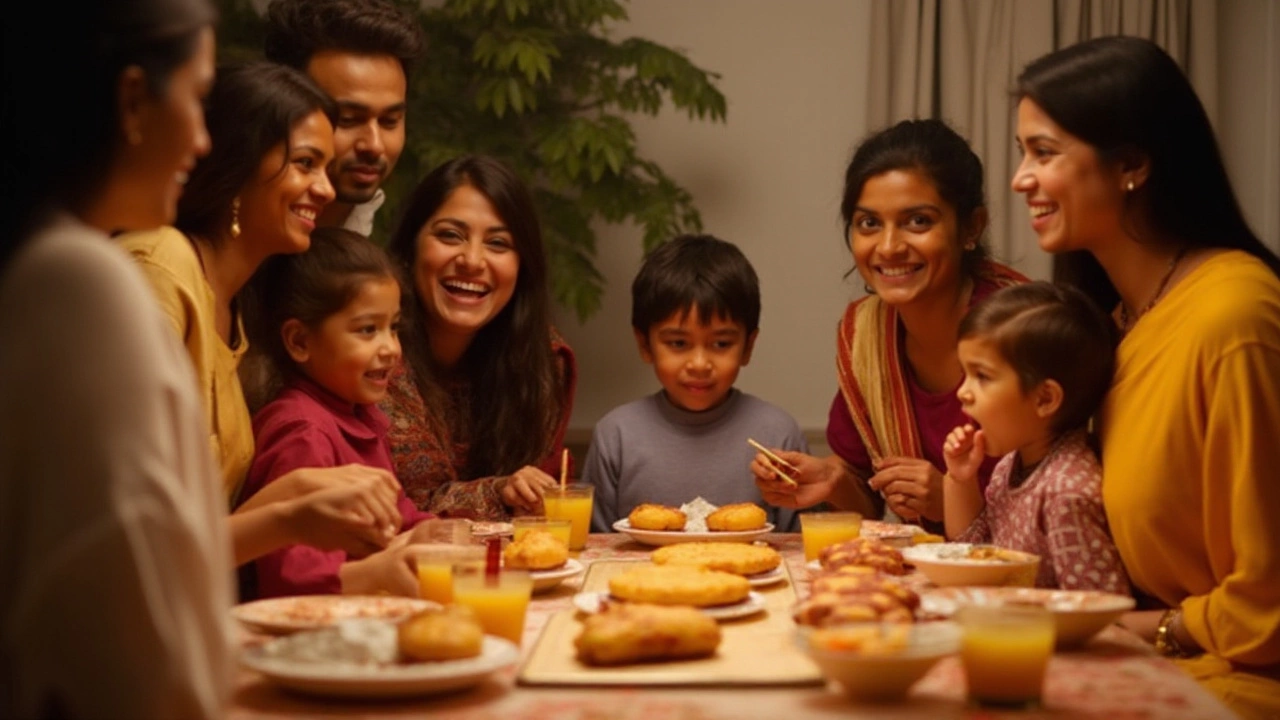
Diabetic-Friendly Indian Sweets: A Delicious Guide
The idea of enjoying Indian sweets while managing diabetes may sound daunting, but it is absolutely possible with the right approach. This article explores the possibility of indulging in traditional Indian desserts by using diabetic-friendly ingredients and alternatives, allowing for moderation without compromising on taste. It offers insights into how diabetics can balance their diet with occasional treats, the importance of portion control, and presents a few healthy versions of classic recipes. Navigating the world of Indian sweets doesn't have to mean missing out, even for those mindful of their sugar intake.