South Indian Breakfast: Classic Dishes, Best Ingredients, and How to Make Them
When you think of South Indian breakfast, a vibrant, fermented, and spice-rich morning meal centered around rice, lentils, and coconut. Also known as Dravidian breakfast, it's not just food—it's a rhythm. This style of eating is built on fermentation, balance, and texture, and it’s been feeding families in Tamil Nadu, Karnataka, Kerala, and Andhra for generations. Unlike North India’s parathas and chai, South Indian mornings revolve around light, digestible, and deeply flavorful dishes that keep you full without weighing you down.
The core of any dosa, a thin, crispy fermented rice and lentil crepe, often served with coconut chutney and sambar is the batter—left to ferment overnight. It’s not magic, it’s microbes. The same batter becomes idli, steamed rice cakes that are fluffy, mild, and perfect for soaking up tangy sambar. Then there’s sambar, a lentil-based vegetable stew flavored with tamarind, mustard seeds, and dried chilies. It’s the soul of the meal. And let’s not forget coconut chutney, a cool, creamy, slightly spicy paste made from fresh coconut, green chilies, and roasted lentils. Each piece plays a role: the crispness of the dosa, the softness of the idli, the heat of the sambar, the freshness of the chutney. Together, they’re a complete sensory experience.
You don’t need fancy tools. A heavy-bottomed pan, a steamer, and a mortar and pestle are all you need to start. The real secret? Fresh ingredients. Store-bought sambar powder won’t cut it—roasting your own spices makes all the difference. And while many think these dishes are hard, they’re actually forgiving. If your dosa tears? It still tastes good. If your idli doesn’t rise? Still better than toast. The beauty is in the process, not perfection.
These meals aren’t just eaten—they’re passed down. Grandmothers in Coimbatore don’t measure spices; they taste and adjust. Parents teach kids to mix batter by hand because it’s part of the ritual. This isn’t cooking as a chore. It’s heritage on a plate. And whether you’re eating it in a roadside stall in Mysore or your kitchen in Chicago, the experience stays the same: simple, satisfying, and full of character.
Below, you’ll find real recipes, fixes for common mistakes, oil choices that make or break your dosa, and why coconut chutney isn’t just a side—it’s the reason you keep coming back for more.
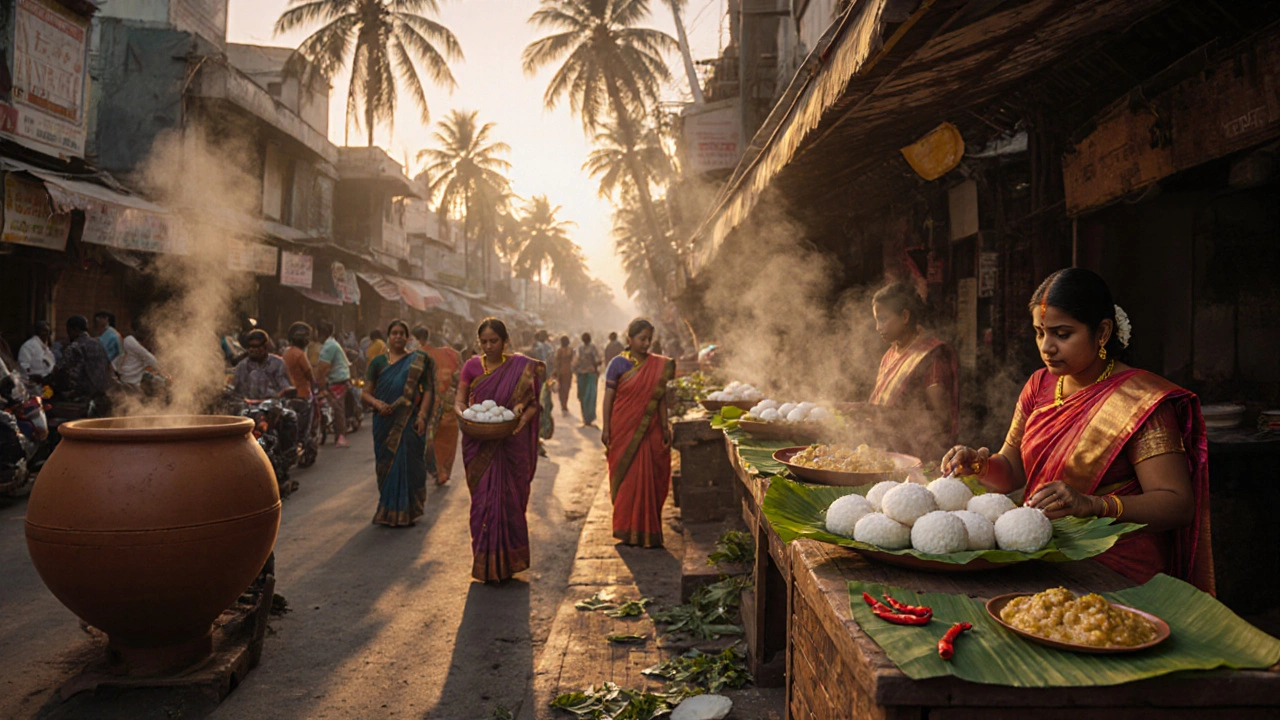
What Is a Classic Indian Breakfast? Traditional Morning Meals Across India
Classic Indian breakfasts vary by region-from steamed idli in the south to parathas in the north. These meals are rooted in tradition, nutrition, and local ingredients, not just taste.
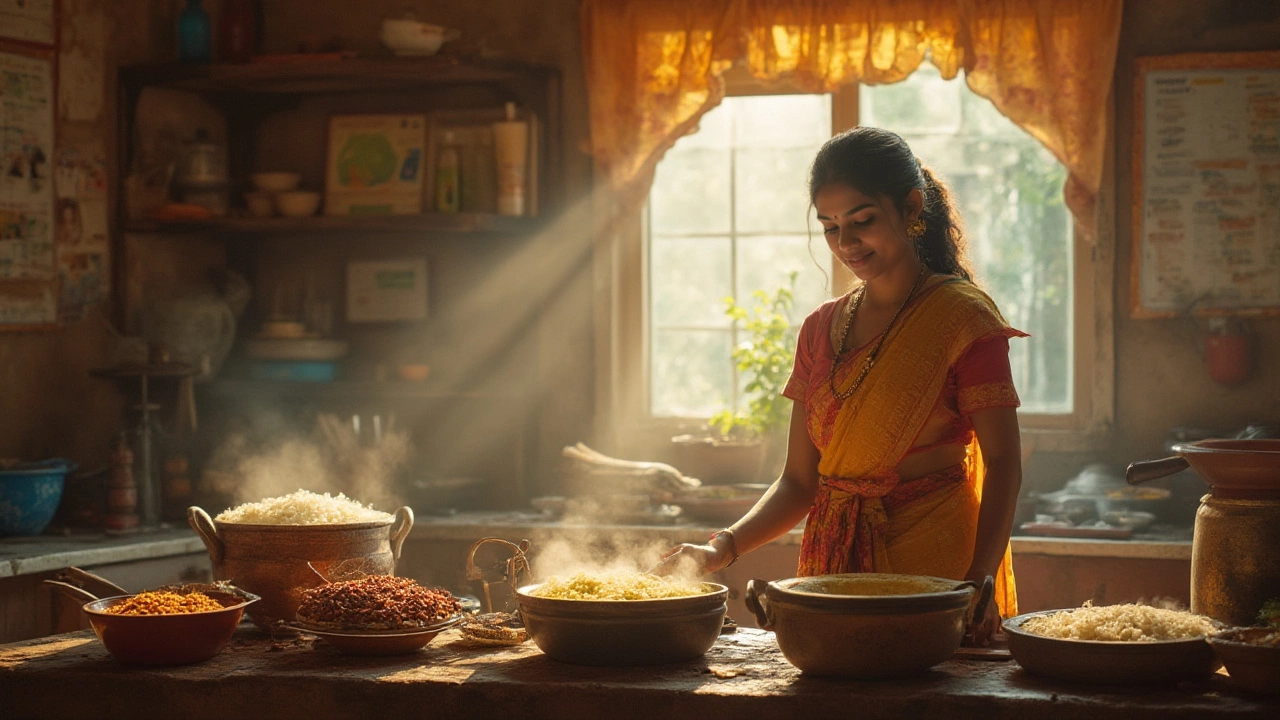
Dosa vs. Rice: Which One Is Healthier for Your Diet?
Curious if dosa beats rice for health? Find out how dosa compares to rice in nutrition, digestion, and weight management, plus expert tips for healthy eating.
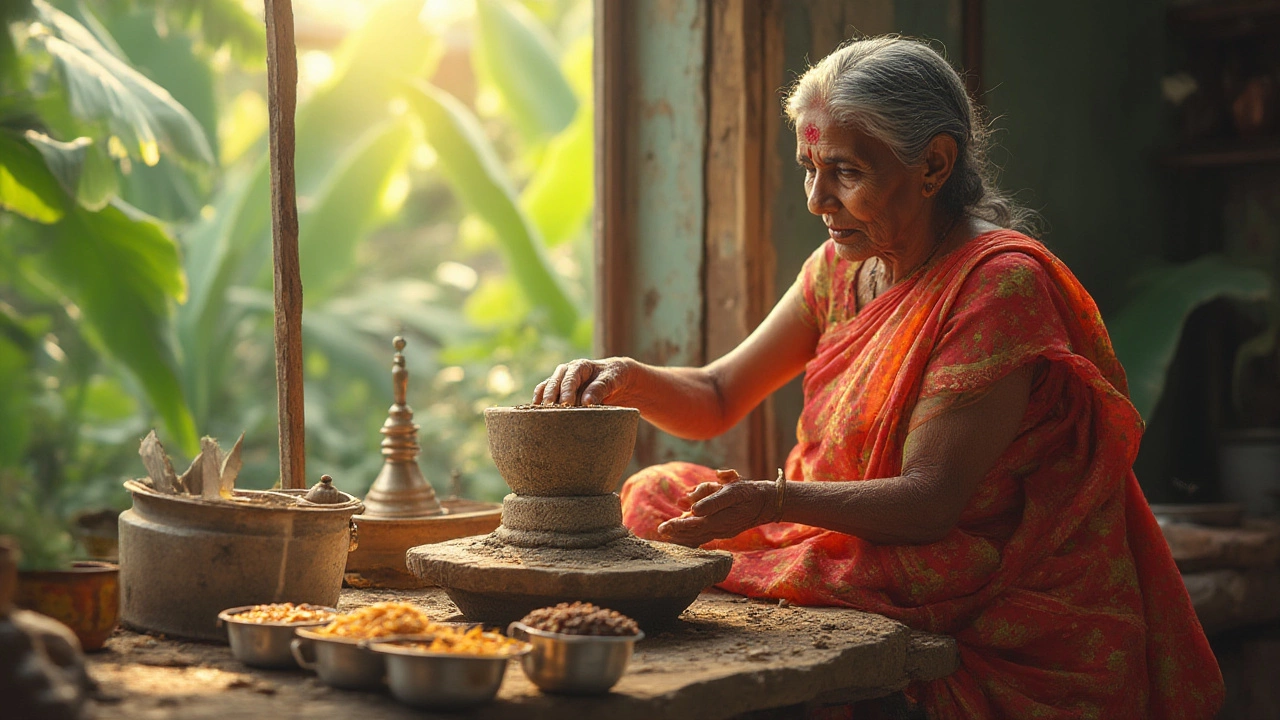
Dosa Batter Ingredients: Secrets for Authentic Indian Crepes
Discover what dosa batter is really made of, how it transforms with fermentation, and the secrets to preparing perfect dosas at home. Dive deep into its South Indian roots.