Roti Not Puffing: Fix Your Flat Indian Bread with Simple Tips
When your roti, a traditional Indian flatbread made from whole wheat flour and water refuses to puff up, it’s not magic—it’s physics. A good roti should balloon like a tiny pillow over the flame, but too often, it comes out flat, tough, or rubbery. This isn’t about skill level. It’s about heat, dough consistency, and technique. Many people blame their tawa or stove, but the real issue is usually one of three things: the dough is too dry, the heat is wrong, or they’re rolling it too thin.
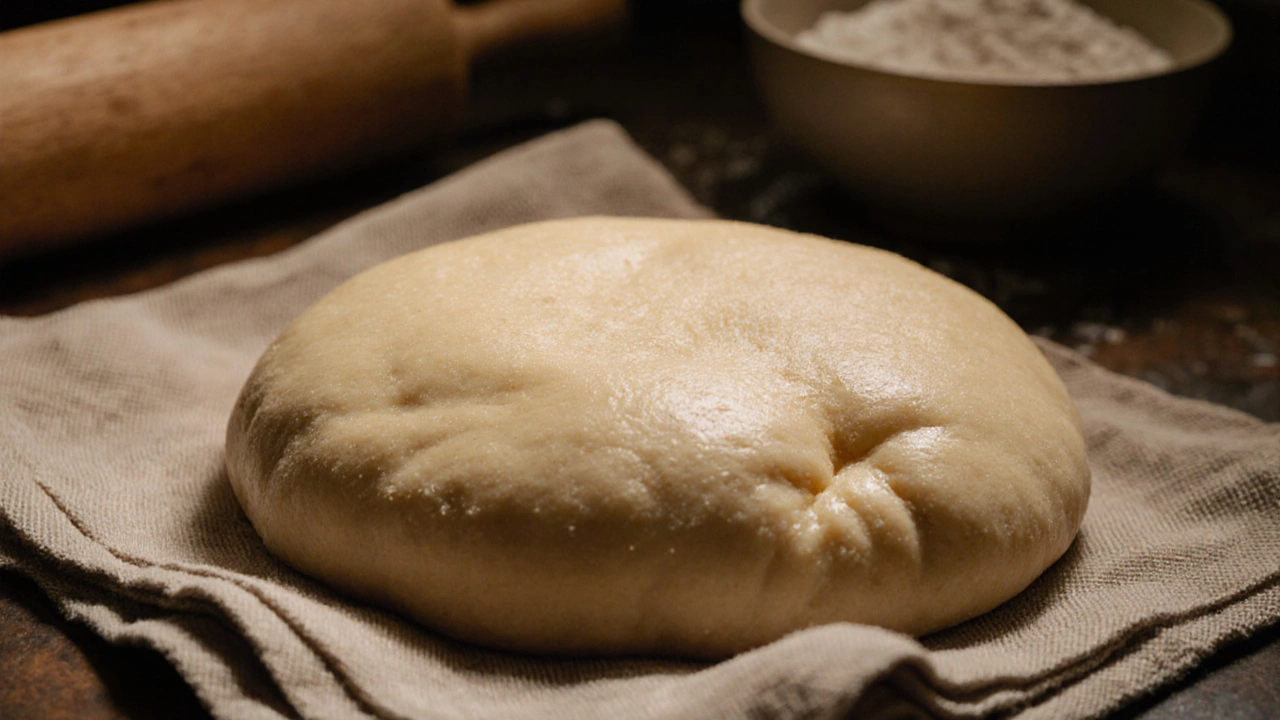
The dough, the base mixture of atta flour and water needs to be soft, not stiff. If it feels like play-dough that won’t bend, you’ve added too much flour. Add a teaspoon of water, knead it again, and let it rest for 15 minutes. Resting lets the gluten relax, which makes rolling easier and puffing possible. Also, don’t skip the resting step. Even 10 minutes helps. A dough that’s been rested will stretch without tearing, and that’s half the battle.
Heat, the key factor in making roti puff, needs to be just right. Too cold? The roti will dry out before it bubbles. Too hot? It burns on the outside and stays raw inside. Start with a medium flame. Test your tawa by sprinkling a few drops of water—if they dance and evaporate quickly, you’re good. Place the rolled roti on the surface, wait 15-20 seconds until small bubbles appear, then flip it. Now, hold it directly over the flame with tongs. That’s when the magic happens. The trapped steam expands, and the roti puffs. If it doesn’t, the dough was too dry, or the flame wasn’t hot enough.
Rolling matters too. Most people roll roti too thin, like a paper napkin. That’s the #1 mistake. Aim for the thickness of a credit card—not thinner. Thin rotis cook too fast and don’t trap enough steam to puff. Use a little dry flour when rolling, but don’t dust it like you’re baking a cake. Too much flour on the surface creates a barrier between the dough and the heat, preventing even cooking.
And don’t forget the tawa, the flat griddle used for cooking Indian breads. A cast iron tawa holds heat better than non-stick or aluminum ones. If yours is warped or uneven, it’ll cook the roti unevenly. Clean it regularly. Oil buildup creates hot spots that burn one side while leaving the other raw.
There’s no secret spice or fancy gadget here. Just three things: soft dough, medium heat, and the right thickness. Try this: make five rotis using the same dough, but change one variable each time—first, adjust the water in the dough; second, change the flame level; third, roll one thicker. You’ll see the difference immediately. Most people fix the wrong thing. They buy new tawas, buy special atta, or watch YouTube videos for 2 hours. The fix is simple. It’s in your hands, your dough, and your stove.
Below, you’ll find real fixes from people who’ve been there—roti that refused to puff, until they learned why. No fluff. No theory. Just what works in a real Indian kitchen.
Why Is My Roti Not Puffing Up? 7 Common Mistakes and How to Fix Them
Roti won't puff? It's not the recipe-it's your technique. Learn the 7 common mistakes that keep your roti flat and how to fix them for perfect, airy bread every time.

Why Is My Roti Not Puffing? Common Roti Problems and Fixes
If your roti stays flat no matter how hard you try, you’re not alone. This article digs into why rotis don’t puff and what really makes a difference, from the right dough texture to clever cooking hacks. We’ll talk about how the flour, kneading, rolling, and skillet heat all affect your results. Simple tips will help you go from sad, dense discs to soft, pillowy rotis. Even if you’ve never managed a single puff before, you’ll find a fix you can use right away.