Roti Making Tips: Perfect Flatbreads Every Time
When you're making roti, a soft, round Indian flatbread made from whole wheat flour, water, and a pinch of salt. Also known as chapati, it's the backbone of countless Indian meals—from curries to dal to grilled vegetables. It’s not just bread. It’s the tool you use to scoop, wrap, and soak up flavor. And if your roti comes out hard, dry, or stuck to the pan, it’s not your fault—you just haven’t learned the right tips yet.
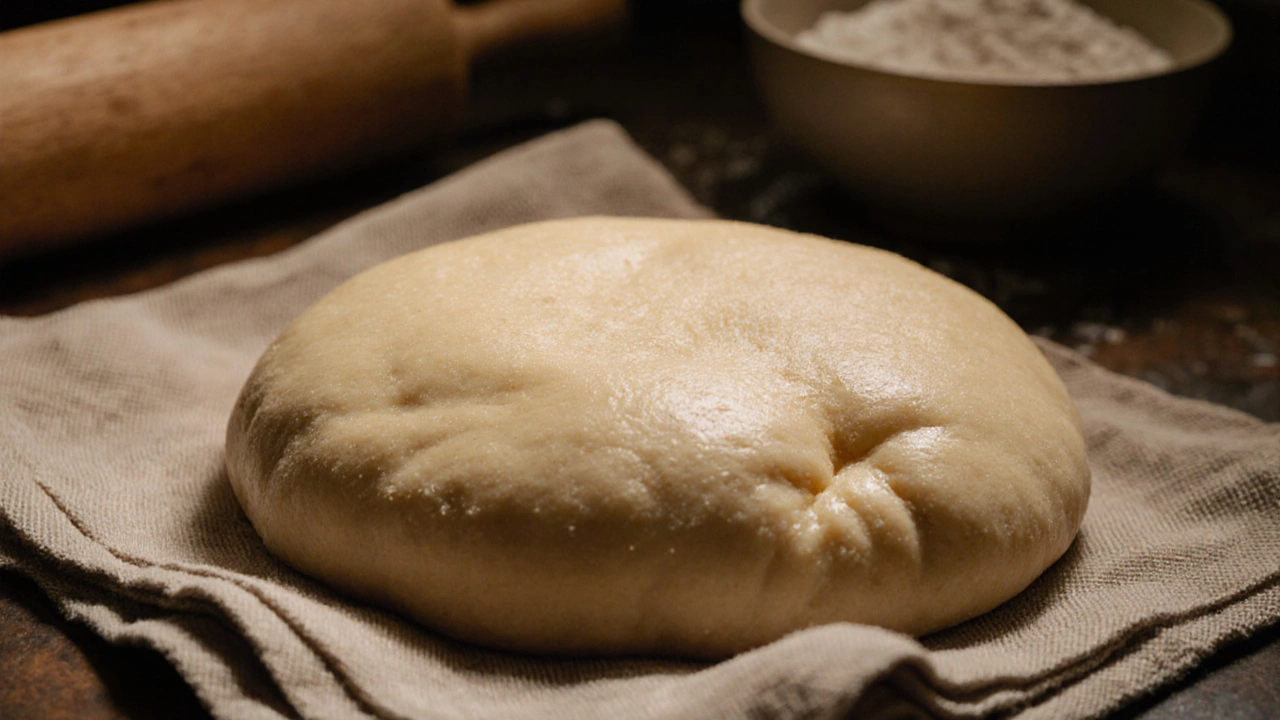
Good roti starts with the dough, a simple mix of atta (whole wheat flour), water, and salt. It’s not like bread dough—it doesn’t need yeast or rising time. But it does need to rest. Letting it sit for at least 20 minutes lets the flour absorb water evenly, which stops your roti from cracking when you roll it. Skip this step, and you’re just rolling frustration. The water temperature matters too. Lukewarm water works best. Cold water makes the dough stiff. Hot water? It’ll turn your roti into a rubbery mess.
Then there’s the rolling technique, how you flatten the dough ball into a thin circle without tearing it. Don’t use too much flour on the board—it dries out the edges. Use just enough to keep it from sticking. Roll from the center out, turning the dough a quarter turn after every few rolls. This keeps it round. If you roll back and forth like you’re sanding wood, you’ll end up with an oval that won’t puff up right. And the tawa, the flat griddle you cook roti on. It needs to be hot—not smoking, but hot enough that a drop of water sizzles and vanishes in a second. Too cool? Your roti will soak up oil and turn greasy. Too hot? It burns before it puffs. Medium-high is the sweet spot.
Now, the puff. That’s the magic moment. Press gently with a cloth or spatula as it cooks. Don’t smash it—just nudge it. The steam inside needs space to expand. If it doesn’t puff, it’s not broken. It’s just not cooked right. The heat wasn’t even. Or the dough was too dry. Or you rolled it too thin. One of those things. It’s not magic. It’s physics.
You’ll find roti in every Indian home, from Mumbai kitchens to Punjab villages. But not everyone makes it well. The difference? It’s not about fancy tools or secret recipes. It’s about the little things: resting the dough, rolling evenly, keeping the tawa hot, and trusting your hands. That’s it.
Below, you’ll find real advice from people who’ve made thousands of rotis—some of them from their grandmothers’ kitchens. No fluff. No theory. Just what works. Whether you’re making roti for the first time or you’ve been at it for years, you’ll find a tip here that changes everything.
Why Is My Roti Not Puffing Up? 7 Common Mistakes and How to Fix Them
Roti won't puff? It's not the recipe-it's your technique. Learn the 7 common mistakes that keep your roti flat and how to fix them for perfect, airy bread every time.