Popular Indian Dessert: Sweet Treats You Need to Try
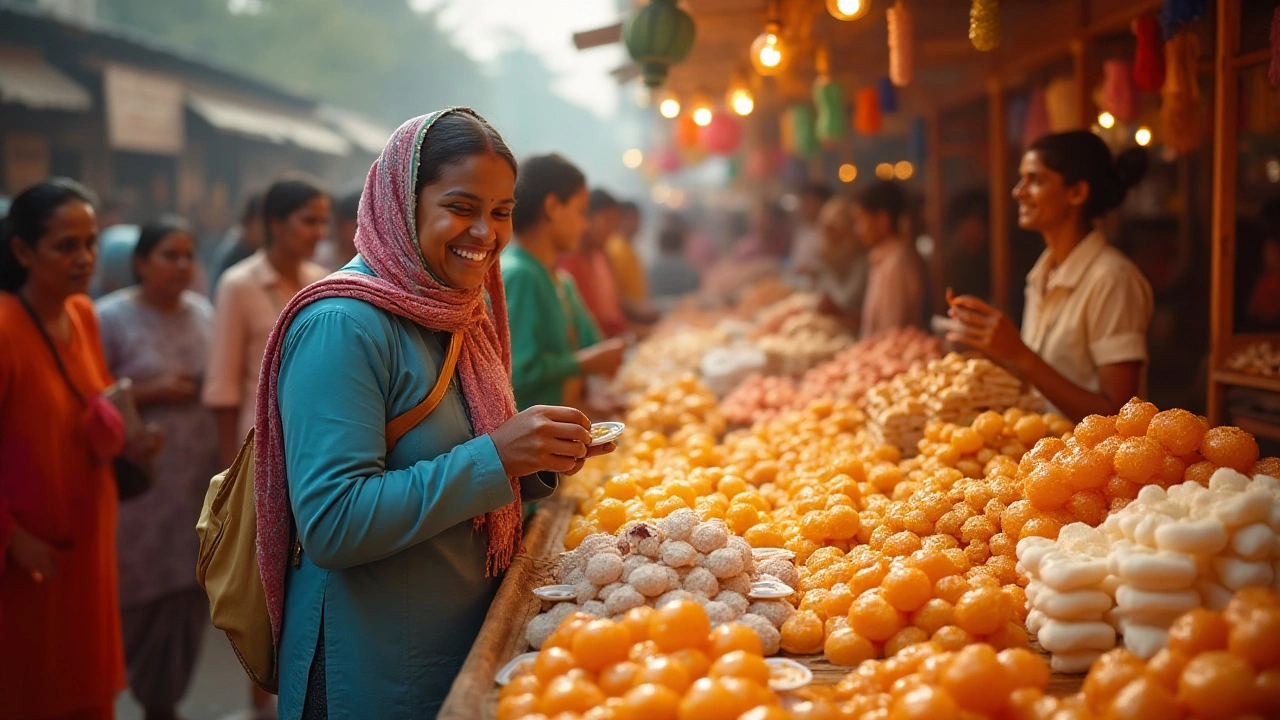
When you think of popular Indian dessert, a rich, sugar-dusted, spice-kissed tradition that’s as much about celebration as it is about taste. Also known as Indian sweets, these treats are baked, fried, or boiled with milk, sugar, nuts, and cardamom—often served at weddings, festivals, and family gatherings. You won’t find them just in restaurants. Every home in India has its own version of rasgulla, soft cheese balls soaked in syrup, originating from Bengal, or gulab jamun, deep-fried milk solids dipped in rose-scented syrup. These aren’t just snacks—they’re cultural landmarks, passed down through generations.
Some Indian dessert, like the gold-leaf Moti Chur Laddoo, can cost over ₹2.5 lakh because of handcrafting, rare saffron, and edible gold. That’s not a gimmick—it’s heritage. Meanwhile, everyday favorites like jalebi, crispy, spiraled batter fried and soaked in syrup, are sold by street vendors at dawn, still warm from the oil. The difference between a good dessert and a great one? It’s in the balance: too sweet, and it overwhelms; too spiced, and it loses its soul. The best ones let the milk, the sugar, and the cardamom breathe.
What ties them all together? They’re not just eaten—they’re shared. A plate of kheer, rice pudding slow-cooked with milk and saffron at a Diwali party isn’t dessert—it’s love served warm. You’ll find regional twists everywhere: in the south, there’s payasam, a coconut milk-based cousin of kheer. In the north, barfi, dense fudge made from condensed milk and nuts comes in pistachio, coconut, or even rose flavors. And yes, some of these sweets even show up in savory dishes—like the occasional sprinkle of sugar in a curry to balance heat.
There’s no single recipe for a perfect Indian dessert. But there is a pattern: patience, quality ingredients, and a touch of tradition. Whether you’re making it at home or tasting it at a roadside stall, you’re tasting centuries of culture. Below, you’ll find real stories, real recipes, and real answers—like why some sweets cost more than a car, and how to make your own gulab jamun puff just right.
Discovering India's Most Beloved Sweet Delight
India boasts a rich tradition of sweets that are as diverse as its culture. From north to south, each region offers a unique sweet delight that tells a story of tradition, history, and flavor. The quest to determine India's number one sweet is no easy task, as choices range from the syrupy gulab jamun to the creamy rasgulla. This article explores the contenders for the title, offering insights into the making and significance of these cherished treats.