Low-Carb Indian Recipes: Bold Flavors, Fewer Carbs
When you think of low-carb, a dietary approach that limits carbohydrates to promote fat burning and stable energy. Also known as ketogenic eating, it’s often seen as incompatible with Indian food—but that’s a myth. Indian cooking isn’t about rice and naan alone. It’s built on spices, proteins, and vegetables that thrive without carbs. Think of paneer, a fresh, non-melting Indian cheese made from milk and acid, high in protein and nearly carb-free. It’s the star of curries that don’t need sugar or flour to taste rich. And tandoori chicken, marinated in yogurt and spices, then grilled at high heat, with zero added carbs. This isn’t fusion. It’s tradition repurposed.
Many assume Indian meals are carb-heavy because of rice, roti, and sweets—but that’s only half the story. The real backbone of Indian cooking? Lentils, chickpeas, spinach, eggplant, cauliflower, and grilled meats. These aren’t side notes—they’re the foundation. A bowl of dal tadka with a side of sautéed greens has more protein than a plate of biryani. Tandoori dishes rely on yogurt and spice blends, not sugar glazes. Even chutneys can be swapped for spicy tomato salsa or cucumber-yogurt raita, which add flavor without spiking blood sugar. You don’t need to give up masala or ghee to go low-carb. You just need to skip the roti and rice. The spices—cumin, turmeric, coriander, black pepper—are naturally carb-free and even boost metabolism. And let’s not forget: Indian kitchens have always used oil and ghee for cooking, not sugar-laden sauces. This isn’t a diet trend. It’s how food was eaten before processed grains became common.
What you’ll find below isn’t a list of ‘diet-friendly’ recipes. It’s a collection of real Indian dishes that just happen to be low in carbs because they were never meant to be heavy in the first place. From perfectly puffed roti fixes to cheese swaps for paneer, from the science of milk curdling to why tandoori chicken turns red—every post here answers a real cooking question while keeping carbs in check. No gimmicks. No substitutions that taste like cardboard. Just the bold, spicy, satisfying flavors of India, reimagined for how you eat now.
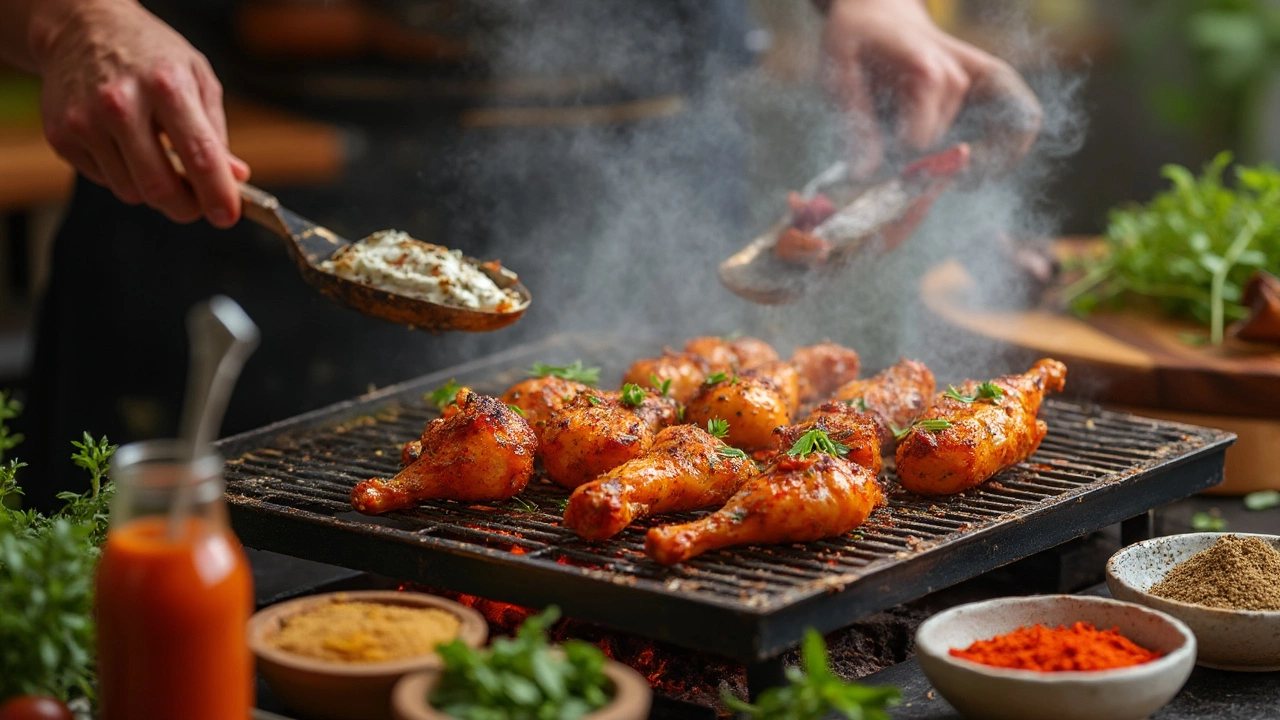
Tandoori Chicken: The Best Indian Food for Diabetics
Tandoori chicken is a top pick for diabetics wanting to enjoy Indian food without wrecking their blood sugar. This article lays out why tandoori chicken is a smart choice, how its ingredients benefit diabetics, and shares tips to make the healthiest version at home. You'll get practical advice on flavorful tweaks and meal pairing ideas to keep things tasty and balanced. Learn about serving sizes, spice tricks, and what to skip on the table. Perfect if you're managing diabetes but don’t want to miss out on bold Indian flavors.