Indian Vegetarian Food: Simple, Flavorful, and Full of Tradition
When people think of Indian vegetarian food, a vibrant, spice-driven cuisine built on lentils, vegetables, dairy, and grains, not meat. Also known as vegetarian Indian cuisine, it’s the daily reality for millions across India, shaped by religion, season, and region—not trends. This isn’t just food without meat. It’s a whole system of flavors built on paneer, a fresh, non-melting Indian cheese made by curdling milk with lemon or vinegar, layered with chutney, a tangy, spicy condiment that cuts through richness and adds brightness to every bite, and wrapped in warm, puffing roti, a simple flatbread made from whole wheat flour and water, cooked on a hot griddle. These aren’t side notes—they’re the backbone.
Indian vegetarian food doesn’t rely on meat for depth. It gets its soul from slow-cooked biryani, a fragrant rice dish layered with spices, herbs, and sometimes paneer or vegetables, steamed to perfection, and from the quiet magic of tempering cumin in hot oil, toasting coriander seeds, or adding a pinch of asafoetida. You’ll find meals where lentils are the star, where potatoes and peas dance in spicy gravies, and where yogurt cools down fiery curries. It’s food that’s balanced—spicy, sour, sweet, and earthy—all in one plate. And it’s not just about taste. It’s about texture: the crunch of a dosa, the soft pull of fresh roti, the melt of paneer in a curry, the burst of pomegranate seeds in a salad.
What makes this cuisine so powerful isn’t complexity—it’s intention. Every ingredient has a job. Lemon juice doesn’t just add sourness—it turns milk into paneer. Mint isn’t just green—it cools down the heat. Rice water isn’t waste—it’s a traditional drink believed to help digestion. You don’t need fancy tools or imported spices. A tawa, a mortar and pestle, and a few core spices are all you need. And that’s why this food lasts. It’s practical. It’s affordable. It’s delicious. Below, you’ll find real answers to real cooking questions: why your roti won’t puff, what to use instead of paneer, how to make biryani smell like it came from a street stall, and which Indian snacks actually keep you full without weighing you down. No fluff. Just what works.
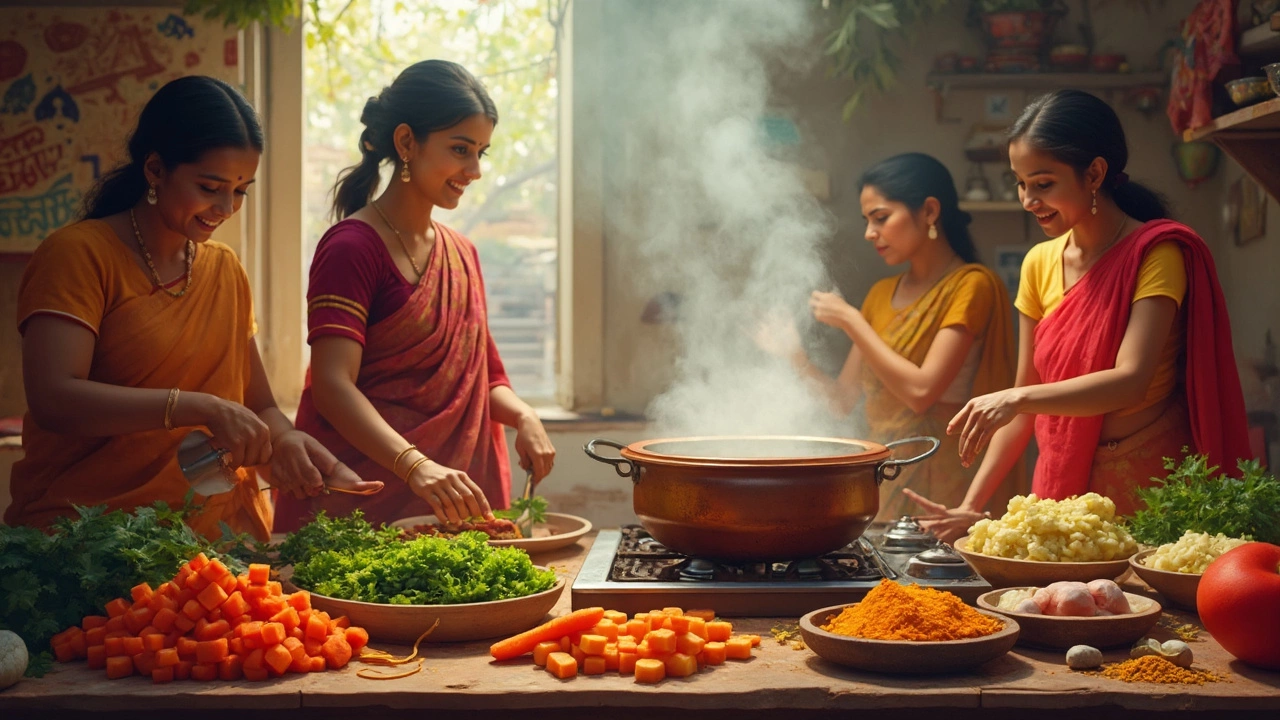
Is Indian Vegetarian Food Healthy? Exploring Its Benefits
Indian vegetarian food is more than just a staple of the subcontinent; it's a culinary art form that combines nutrition and delicious flavors. This article delves into the health aspects of Indian vegetarian dishes, highlighting how spices and ingredients contribute to overall well-being. Whether it's the fiber-rich legumes or antioxidant-packed spices like turmeric, Indian vegetarian cuisine offers numerous health benefits. Understanding these can help anyone make informed dietary choices while enjoying the richness of Indian flavors.