Indian Curry: Essential Spices, Techniques, and Best Recipes
When you think of Indian curry, a rich, spiced stew made with meat, vegetables, or legumes, simmered in a sauce of onions, tomatoes, and aromatic spices. Also known as curry dish, it's the heart of home cooking across India—from the coconut-based curries of Kerala to the creamy tomato-laced versions of Punjab. It’s not a single recipe. It’s a system. A way of layering flavors so each bite tells a story. And if your curry tastes flat, it’s not because you’re missing a spice—it’s because you’re missing the sequence.
The backbone of any great curry spices, the core seasonings that define Indian curries, including cumin, coriander, turmeric, and chili isn’t just what you add, but when. Toasting cumin seeds in hot oil before adding onions? That’s not optional—it’s the difference between bland and bold. Turmeric gives color, but it’s the slow bloom in fat that unlocks its earthiness. And chili? It’s not there just for heat—it’s for balance. A good curry needs sweet, sour, bitter, and salty in the same spoonful. That’s why recipes call for tamarind, yogurt, or even a pinch of sugar. It’s not a trick. It’s science.
Then there’s the protein. chicken curry, a popular Indian dish where chicken is slow-cooked in a spiced tomato-onion gravy, often with ginger, garlic, and garam masala is everywhere, but it’s not the only star. paneer curry, a vegetarian dish featuring fresh Indian cheese simmered in spiced tomato or cream-based sauce holds its shape like no other cheese, making it perfect for slow simmers. And the sauce? It’s not just liquid. It’s a thickened emulsion of ground spices, roasted onions, and slow-released oils. That’s why you don’t rush it. You let it sit. You let the oil rise to the top—that’s your signal it’s ready.
You’ll find posts here that break down exactly how to build depth in chicken curry, which four spices form the foundation of every authentic version, and why adding lemon juice at the end changes everything. You’ll learn why potatoes show up in biryani (yes, that’s a curry too), how to replace paneer when you’re out, and what makes tandoori chicken red without artificial dye. No fluff. No vague advice like "use fresh spices." We tell you which ones to buy, how to store them, and when to toss them.
This isn’t about following a recipe. It’s about understanding the rules so you can break them—safely. Whether you’re cooking for the first time or you’ve been stirring pots for years, the collection below gives you the real answers: the why behind the how, the science behind the sizzle, and the secrets that turn good curry into unforgettable curry.
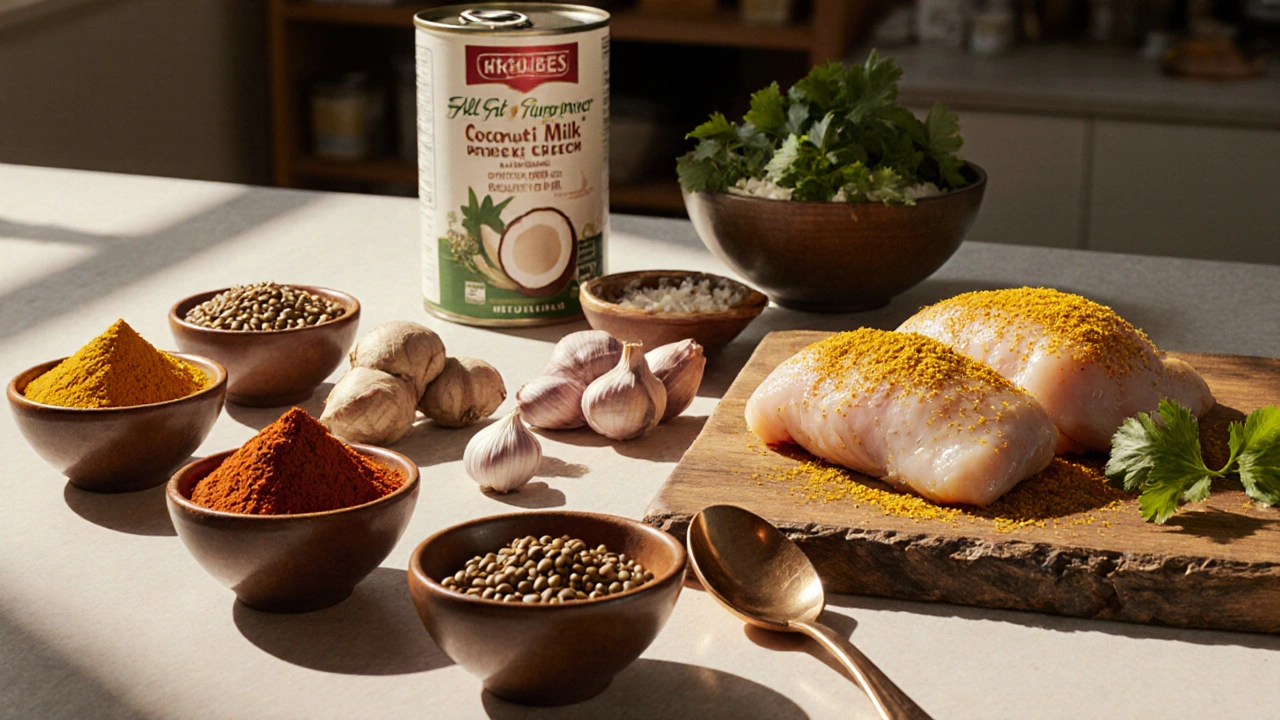
How to Make Perfect Chicken Curry: Proven Secrets for Flavorful Results
Discover the proven secrets to making perfect chicken curry every time. Learn spice layering, step‑by‑step technique, common pitfalls, variations, and pro tips for a restaurant‑quality dish.