Gulab Jamun: The Sweetest Indian Dessert You Need to Try
When you think of Indian sweets, gulab jamun, a soft, deep-fried dough ball soaked in fragrant sugar syrup. Also known as gulab jamun, it’s the dessert that shows up at every wedding, Diwali, and Eid—no celebration feels complete without it. It’s not just sugar and milk—it’s texture, timing, and tradition rolled into one bite.
What makes gulab jamun special isn’t just the syrup. It’s the khoya, milk solids reduced slowly until thick and creamy that gives it that melt-in-your-mouth core. Some versions use milk powder instead, but the real deal? It’s made from simmering milk for hours until it turns into dense, golden khoya. Then it’s mixed with a bit of flour or semolina, shaped into balls, and fried just until golden—not browned, not crispy, but tender on the outside and springy inside. After frying, they’re dropped into sugar syrup, flavored with cardamom, rose water, or saffron while still hot, so they soak up every drop. That’s the magic: the syrup doesn’t sit on top—it becomes part of the sweet.
Across India, every region has its own twist. In the north, they’re bigger and soaked longer. In the west, they sometimes add a hint of fennel. Some families even use paneer instead of khoya for a lighter version. But no matter the variation, the goal is the same: a dessert that’s sweet without being cloying, soft without being mushy, and aromatic without smelling like perfume. You’ll find gulab jamun served warm with a scoop of vanilla ice cream, or just on its own with a sprinkle of crushed pistachios. It’s the kind of treat that makes you pause, take another bite, and wonder why no one else makes it this well.
What you’ll find in the posts below isn’t just recipes. It’s the stories behind the syrup, the science of frying without cracking, the best ways to store them, and even why some versions turn out hard while others dissolve like clouds. Whether you’re trying to make them for the first time or you’ve been frying them for years, there’s something here that’ll make your next batch better.
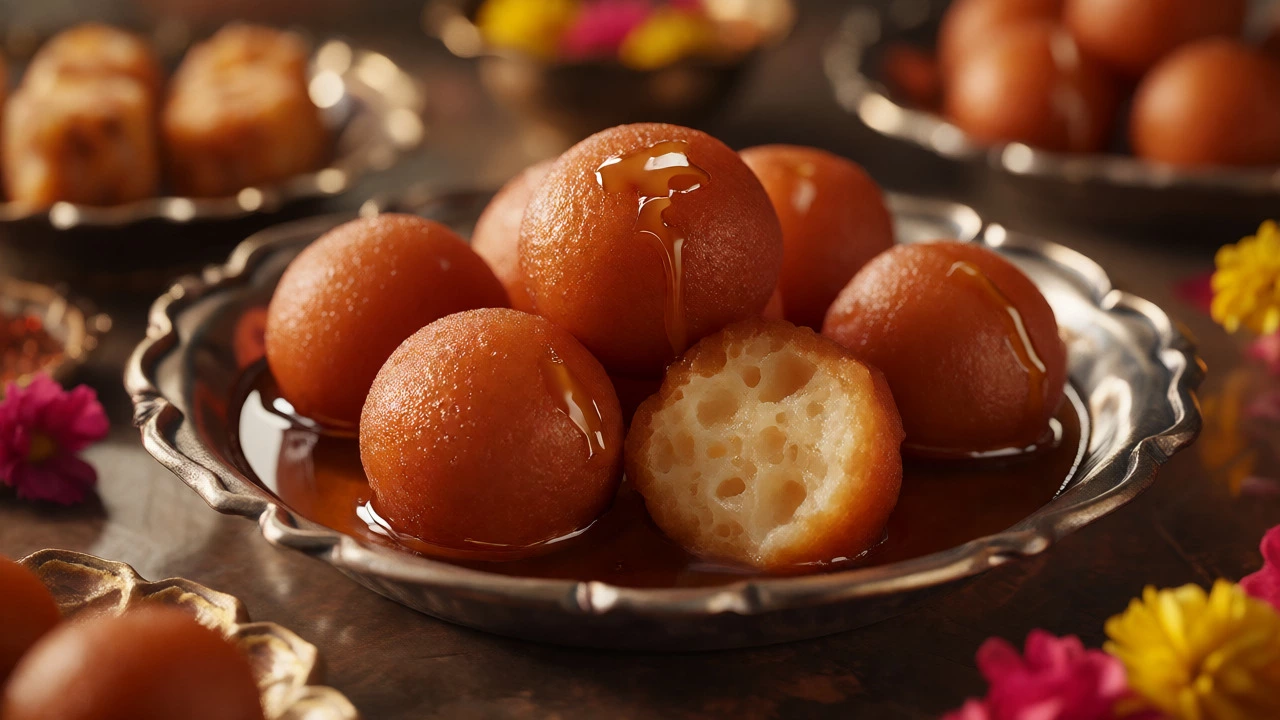
What is the National Sweet Dish of India? The Truth About Gulab Jamun
Discover why India lacks an official national sweet despite having iconic dishes like Gulab Jamun. Explore regional champions like Rasgulla and Payasam.
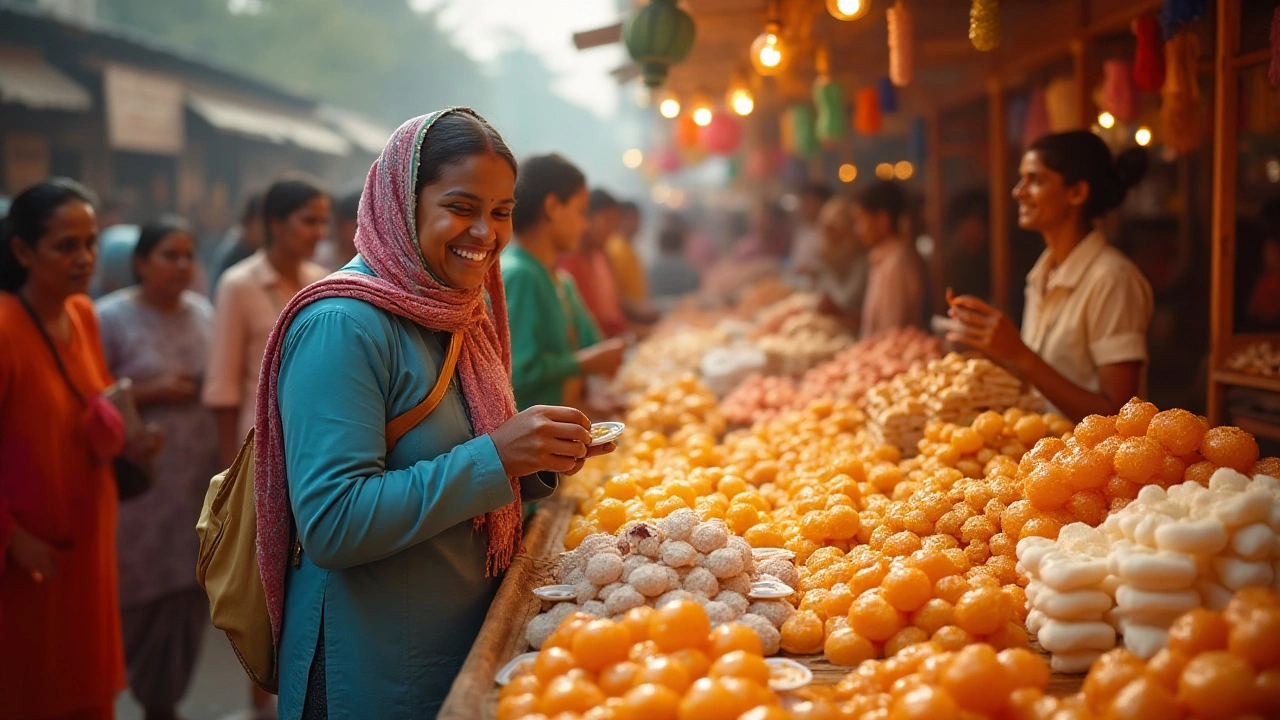
Discovering India's Most Beloved Sweet Delight
India boasts a rich tradition of sweets that are as diverse as its culture. From north to south, each region offers a unique sweet delight that tells a story of tradition, history, and flavor. The quest to determine India's number one sweet is no easy task, as choices range from the syrupy gulab jamun to the creamy rasgulla. This article explores the contenders for the title, offering insights into the making and significance of these cherished treats.