Fermented Batter: What It Is, Why It Matters, and How It Powers Indian Breakfasts
When you bite into a soft, fluffy idli, a steamed rice-and-lentil cake that’s light as air and packed with subtle tang. Also known as fermented batter, it’s the foundation of countless South Indian mornings. This isn’t just a recipe—it’s a slow dance between grains, microbes, and time. The same batter, left to sit overnight, becomes dosa, a crisp, lacy pancake that cracks when you bite it or turns into vada, a savory fried donut with a chewy center. Fermented batter is what turns simple rice and urad dal into something alive, digestible, and deeply flavorful.
What makes it work? It’s not magic—it’s biology. Wild yeast and lactic acid bacteria from the air and the grains start eating the starches, producing gas that puffs up the batter and acids that give it that clean, sour note. That’s why you don’t need yeast packets or sourdough starters—just water, time, and warmth. In places like Tamil Nadu or Karnataka, women have been doing this for generations, leaving the batter on the counter while they tend to the house. The key? Cool nights, humid days, and patience. Too cold? It won’t rise. Too hot? It turns sour too fast. Too long? It gets too acidic and loses its lift. It’s a balance, not a formula.
This isn’t just about breakfast. Fermented batter is a window into how Indian cooking works with nature, not against it. It’s why you’ll find it in homes from Kerala to Odisha, even if the name changes. It’s why you can’t just swap in store-bought batter and expect the same taste. The microbes in your kitchen are different from the ones in Chennai. That’s why every batch has its own personality. And that’s why the best idlis and dosas aren’t made by following a timer—they’re made by reading the batter, smelling it, feeling its texture. The posts below show you how to get it right: from choosing the right rice-to-lentil ratio, to fixing a batter that won’t rise, to knowing when it’s perfectly fermented. You’ll also find how this same process connects to other Indian staples—like how the tang in fermented batter mirrors the sourness in sambar or how it pairs with coconut chutney. This isn’t just a technique. It’s a tradition you can master in your own kitchen.
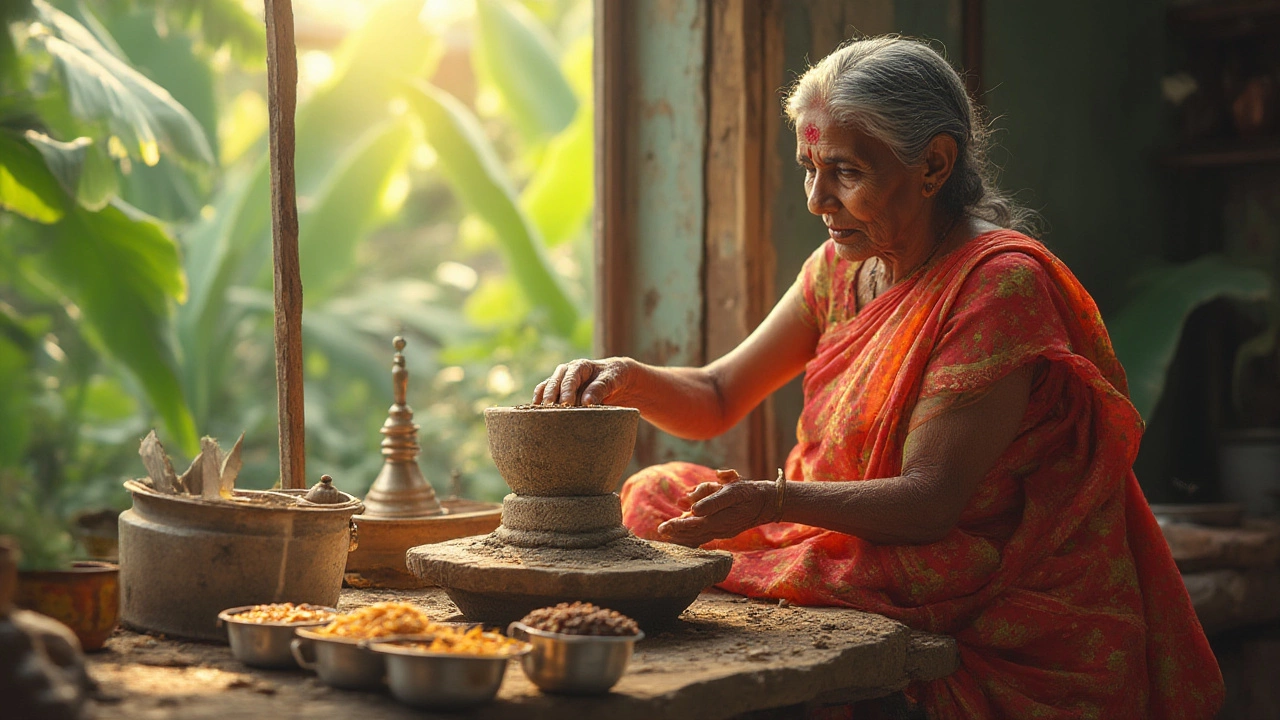
Dosa Batter Ingredients: Secrets for Authentic Indian Crepes
Discover what dosa batter is really made of, how it transforms with fermentation, and the secrets to preparing perfect dosas at home. Dive deep into its South Indian roots.
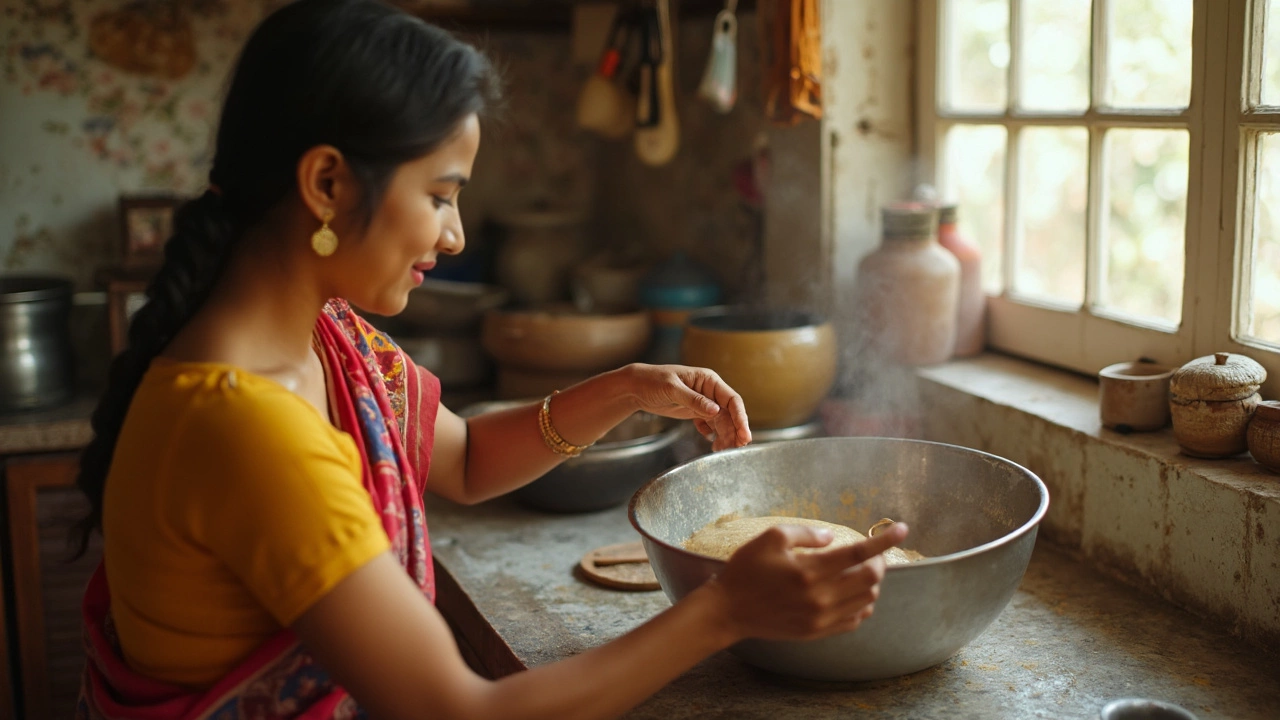
How to Tell If Dosa Batter Has Gone Bad: Easy Signs and Tips for Freshness
Ever wondered if your dosa batter is still good to use? This guide reveals the unmistakable signs of spoiled dosa batter, including smell, appearance, and taste. Learn expert tips to keep your batter fresher for longer and avoid any kitchen disasters. Get the facts, practical methods, and insider tips for perfect dosas every time. Don't risk your breakfast—know exactly what to check for before you put that pan on the stove.