Dosa Ingredients: What You Need for Crispy, Authentic South Indian Dosa
At its core, a perfect dosa, a thin, fermented rice and lentil crepe from South India. Also known as dosai, it’s not just a breakfast food—it’s a daily ritual in homes from Tamil Nadu to Karnataka, where the sizzle of batter on a hot griddle means the day has started right. The magic isn’t in fancy tools or exotic spices. It’s in four simple things: rice, urad dal, salt, and time. Skip any one of them, and you’re not making dosa—you’re making a flat pancake.
The batter starts with raw rice, a short-grain variety like sona masoori or idli rice, soaked for hours until soft. Then comes urad dal, a black lentil that puffs up when ground, giving dosa its airy texture and slight chew. The ratio matters—usually 3 parts rice to 1 part dal. Mix them with water, grind to a smooth paste, and let it sit. That’s where the real work happens. Fermentation isn’t optional. It’s what turns thick batter into light, bubbly magic. In warm climates, it takes 8–12 hours. In colder ones? You might need a day. No yeast. No baking powder. Just patience and natural microbes doing their thing.
Once fermented, you add salt—just enough to bring out the flavor, not overpower it. The batter should flow like thick cream, not drip like water. Too thick? Add a splash of water. Too thin? Let it rest longer. The batter’s consistency is the secret most recipes skip. And when it’s time to cook, the oil you use makes a difference. coconut oil, the traditional choice in Kerala and coastal Karnataka, gives a subtle sweetness and crispness. Ghee? Richer, more fragrant. Vegetable oil? Fine if that’s all you’ve got. But the best dosas? They’re cooked in oil that’s hot enough to make the batter hiss on contact, then spread thin with the back of a ladle.
People think dosa is just about the batter. But it’s also about what you serve it with. That’s why you’ll find posts here about chutney substitutes, why coconut oil works better than olive oil for dosa, and even how to fix flat roti—because if you’re making dosa, you’re probably making other Indian breads too. You’ll also see why fermentation is the unsung hero behind idli, vada, and even some pickles. It’s all connected.
There’s no single "right" way to make dosa. But there are wrong ways—like skipping fermentation, using old rice, or pouring batter on a cold pan. The posts below show you what actually works: real recipes, real mistakes, real fixes. Whether you’re making your first dosa or you’ve been at it for years, you’ll find something here that helps you get closer to that perfect, golden, crispy edge.
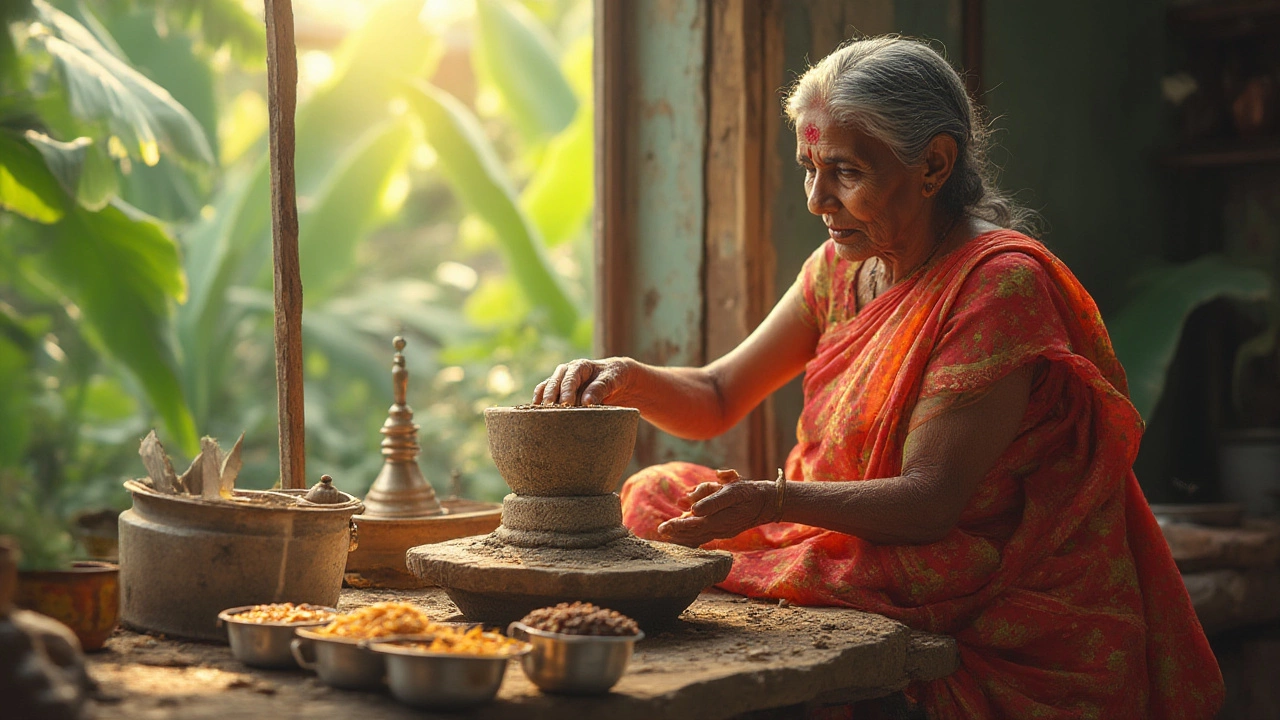
Dosa Batter Ingredients: Secrets for Authentic Indian Crepes
Discover what dosa batter is really made of, how it transforms with fermentation, and the secrets to preparing perfect dosas at home. Dive deep into its South Indian roots.