Curry Ingredients: Essential Spices, Herbs, and Flavors That Make Indian Curries Unforgettable
When you think of curry ingredients, the foundational spices and aromatics that build depth and complexity in Indian curries. Also known as curry spice blend, it's not one single powder—it's a layered combination of whole seeds, ground powders, fresh roots, and herbs that transform simple ingredients into something unforgettable. Most people assume curry is just turmeric and cumin, but real Indian curries start with a base of toasted cumin, mustard, and fenugreek seeds, then build with garlic, ginger, onions, and tomatoes. The magic happens when these elements are cooked slowly in oil or ghee, releasing oils and aromas that stick to your memory.
It’s not just about what you add—it’s about curry spices, the specific combination of dried and fresh elements that define regional styles. Also known as masala, it varies wildly across India. In the south, you’ll find curry leaves and dried red chilies driving heat and fragrance. In the north, garam masala and cardamom bring warmth and sweetness. And in the west, kokum and tamarind add sourness that balances the richness. Each spice has a role: turmeric for color and earthiness, coriander for citrusy depth, cumin for smokiness, and chili powder for punch. You don’t need 20 spices to make a great curry—just the right four or five, toasted right and added in order. Then there’s fresh ginger and garlic, the aromatic backbone of most Indian curries. Also known as ginger-garlic paste, it’s not just flavor—it’s texture. When fried in oil before adding other ingredients, it creates a foundation that holds the whole dish together. Skip this, and your curry tastes flat, even if you use expensive spices. And don’t forget curry leaves, a unique herb that smells like citrus and pine, used almost exclusively in Indian cooking. Also known as kadi patta, it’s not a garnish—it’s a seasoning. Toss a few into hot oil at the start, and they’ll crackle and release a fragrance that can’t be replicated with dried herbs.
What makes Indian curries so different from other spiced dishes is how these ingredients are layered—not dumped in at once. You start with whole spices blooming in oil, then add onions and ginger-garlic paste, then tomatoes to create a sauce base, then ground spices, and finally, liquid. Each step builds flavor. The curry ingredients aren’t just added—they’re activated. That’s why your homemade curry might taste good but never quite matches the restaurant version. You’re missing the timing, the heat control, the sequence. The good news? You don’t need fancy tools or imported ingredients. Just a good pan, some patience, and the right core ingredients. Below, you’ll find real posts that break down exactly what goes into the best chicken curry, how to make your own spice blends, and why certain ingredients make all the difference. No fluff. Just the facts you need to cook better curries, starting today.
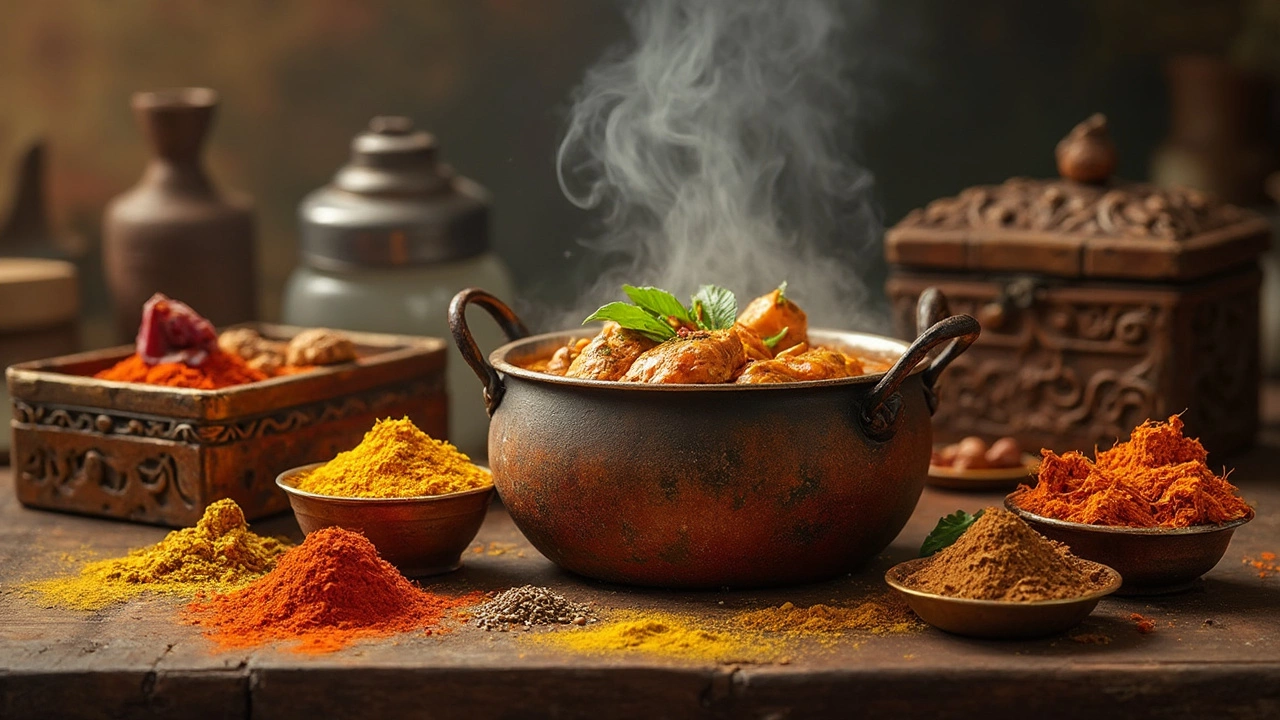
Best Spices for Chicken Curry: Elevate Your Dish
Discover which spices can transform your chicken curry from ordinary to extraordinary. This guide highlights essential spices, from turmeric to cardamom, that bring authentic flavors to your dish. Learn how to balance spices and explore their roles in creating a delightful curry. With helpful tips and interesting facts, you'll be ready to cook up a flavorful storm in the kitchen.