Cooking Tips for Indian Food: Proven Tricks for Better Curries, Roti, and More
When you're trying to nail Indian cooking, the art of layering spices, controlling heat, and balancing textures to create bold, aromatic meals. It's not about following recipes blindly—it's about understanding why things work the way they do. Whether you're struggling with flat roti or bland curry, the problem isn't your ingredients. It's your technique. And that’s where real cooking tips, practical, tested methods that fix common mistakes in home kitchens. Also known as Indian kitchen hacks, these are the little secrets passed down through generations—not in cookbooks, but in kitchens.
Take biryani, a layered rice dish where timing and steam are everything. It’s not just about tossing rice and meat into a pot. The magic happens in the oven: 25 minutes at 325°F lets the steam rise slowly, cooking the rice without turning it mushy. And that unforgettable smell? It’s not curry powder. It’s kewra water, saffron, and slow-cooked spices trapped under a tight lid. Then there’s roti, a simple flatbread that should puff like a balloon. If yours stays flat, it’s not the flour—it’s your rolling pressure, pan heat, or resting time. Seven common mistakes can kill that puff, and fixing just one can change everything. And if you’re out of paneer? Not all cheeses are equal. Halloumi holds up in curry. Queso blanco doesn’t melt. But mozzarella? It turns into a gooey mess. Knowing the difference saves your dish.
What You’ll Find in These Tips
This collection isn’t theory. It’s what works when you’re standing in your kitchen at 7 p.m., hungry, and your chicken curry tastes flat. You’ll learn how to make tandoori chicken turn that iconic red without food coloring, why lemon juice turns milk into paneer, and which oil gives you the crispiest dosa. You’ll find out what to serve with tandoori chicken so it doesn’t feel like a lonely drumstick, and how to replace chutney when you’re out—no grocery run needed. You’ll even learn when that weird liquid coming out of your chicken is harmless… and when to toss it. These aren’t guesses. They’re fixes tested in real homes, with real results.
These cooking tips cut through the noise. No fluff. No fancy terms. Just what you need to cook better Indian food—today, tomorrow, and every day after. Whether you're new to the kitchen or you’ve been making dal for years, there’s something here that’ll make your next meal taste like it came from a street stall in Delhi or a grandma’s kitchen in Punjab.
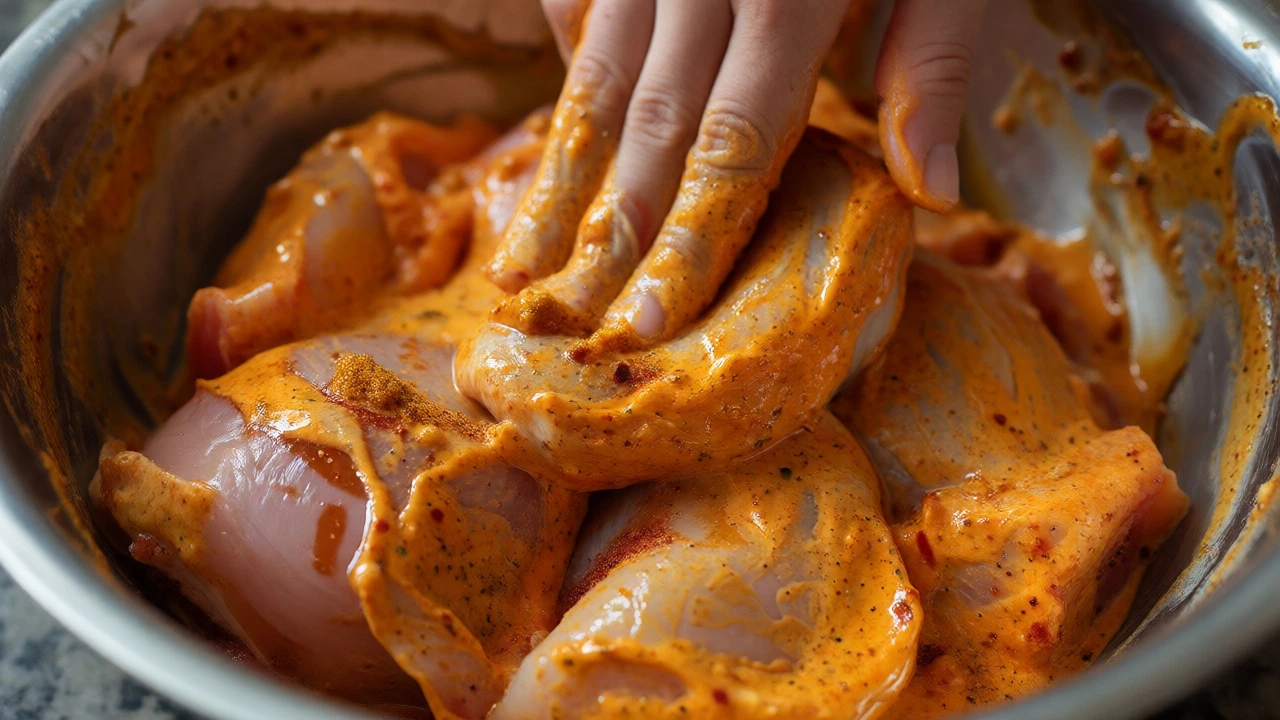
The Secret Taste of Biryani: Unlocking the Flavor
Discover the real secrets behind perfect biryani. Learn why marination, par-cooking rice, and the dum method create that unforgettable flavor.
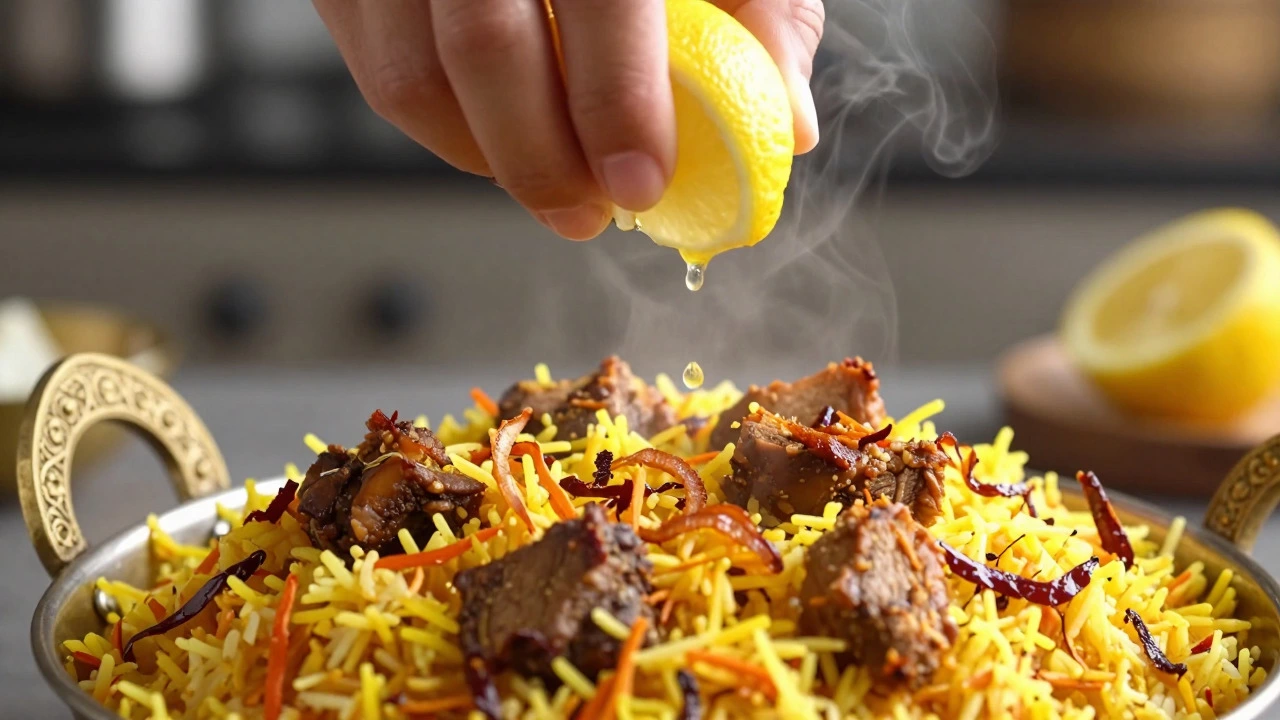
Why Do We Add Lemon to Biryani? The Science and Tradition Behind the Squeeze
Discover why lemon is essential in biryani recipes. From cutting through rich fats to preserving color and enhancing iron absorption, learn the science and tradition behind this crucial garnish.
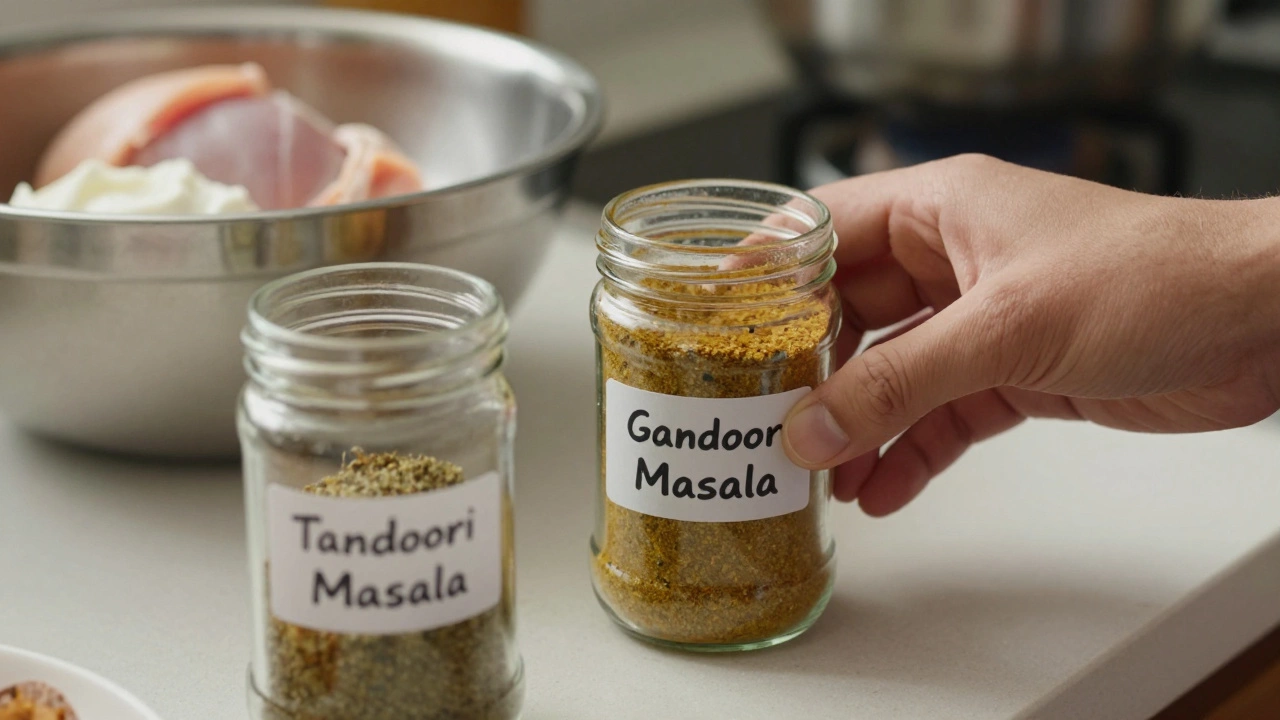
Can I Replace Tandoori Masala With Garam Masala? A Complete Guide to Substitutes
Learn why you can't simply swap garam masala for tandoori masala and how to create a perfect homemade substitute. Get expert tips on balancing heat, tang, and color for authentic tandoori chicken.
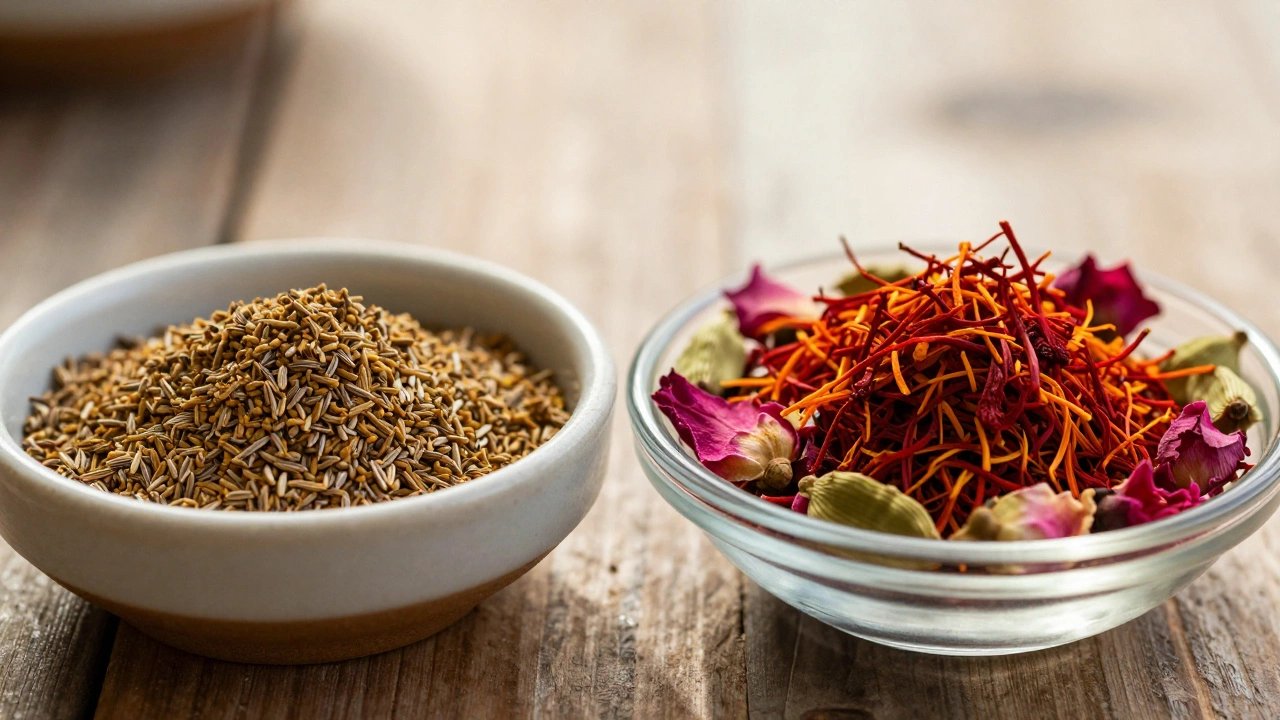
Do You Put Garam Masala in Biryani? The Definitive Spice Guide
Discover the truth about using garam masala in biryani. Learn the key differences between standard blends and biryani masala, timing techniques, and how to make your own authentic spice mix for perfect results.
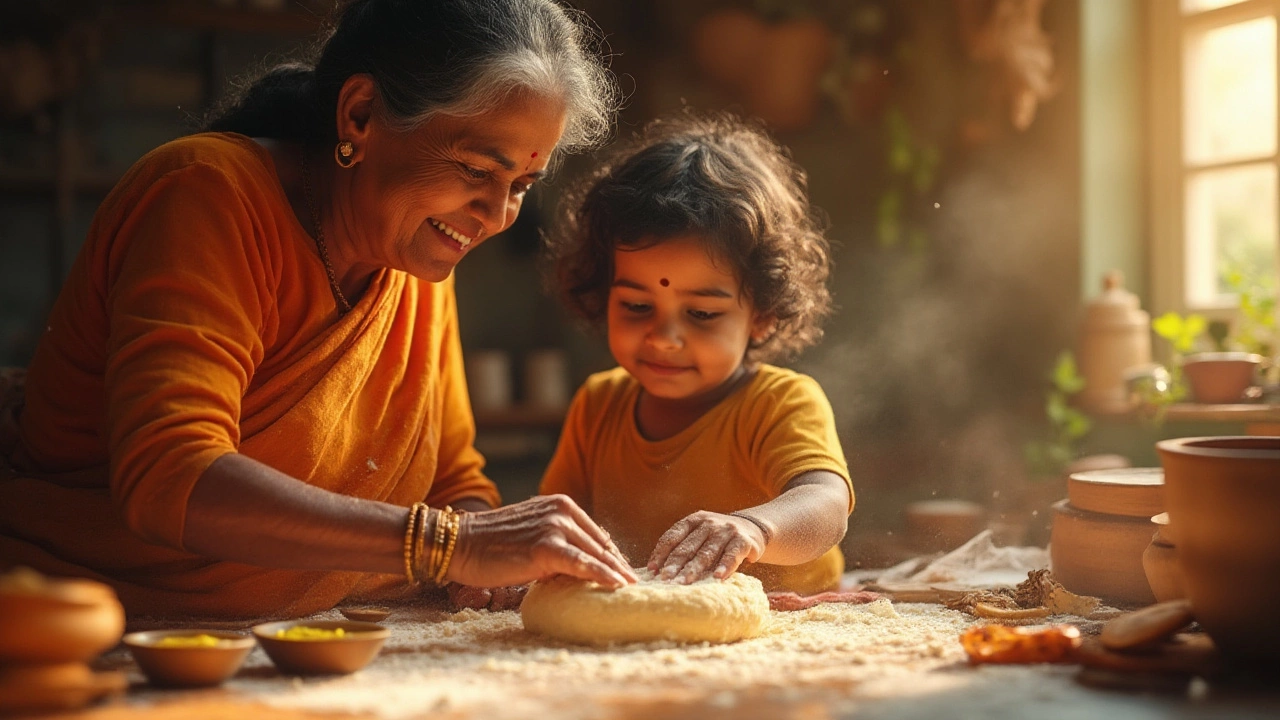
How Adding Oil Makes Roti Softer: Science, Technique, and Tips
Does oil really make roti softer? Get clear answers with tips, expert advice, and the science behind perfect, tender Indian flatbread.
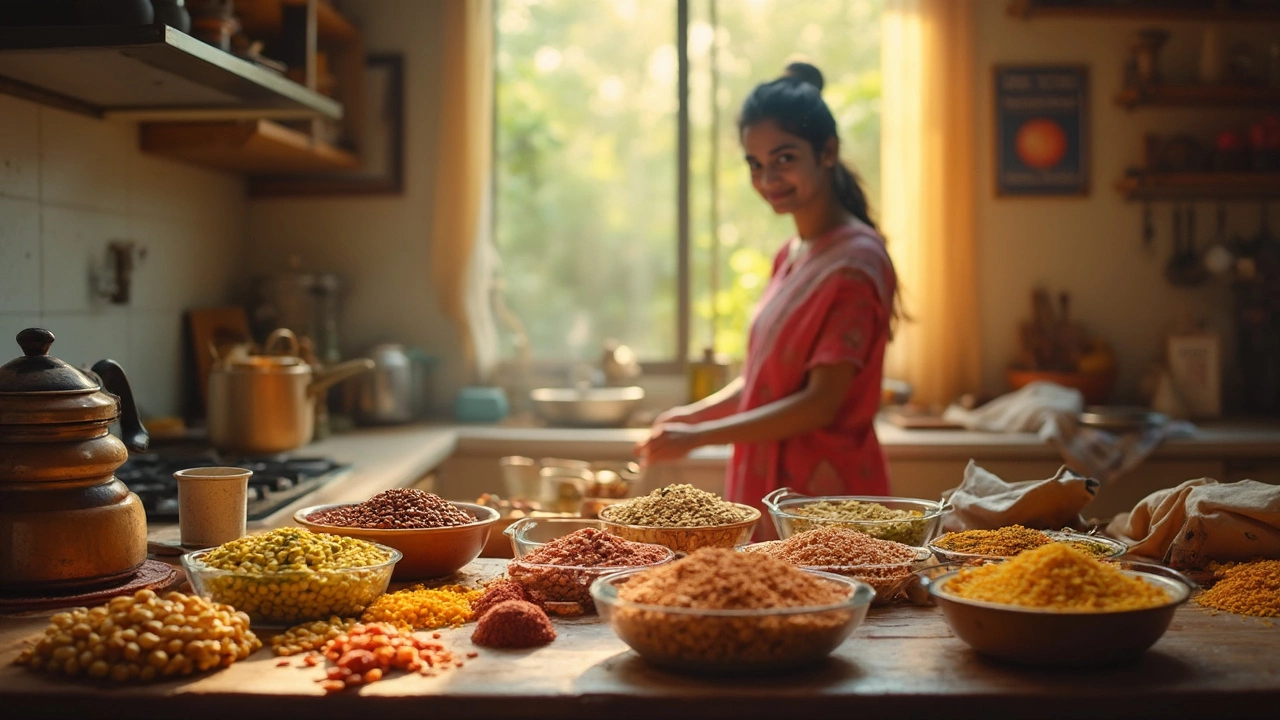
Which Pulses Need Soaking? Simple Dal Tips for Every Kitchen
Struggling to figure out which pulses need soaking before cooking? This article breaks down the essentials, explaining which dals benefit from soaking and why it matters. You'll get clear advice, real-life cooking hacks, and a deeper look at how soaking changes your favorite dal dishes. Find out which pulses you can toss straight into the pot and which ones need a little extra planning. Take the guesswork out of dal prep and make your kitchen routine smoother.
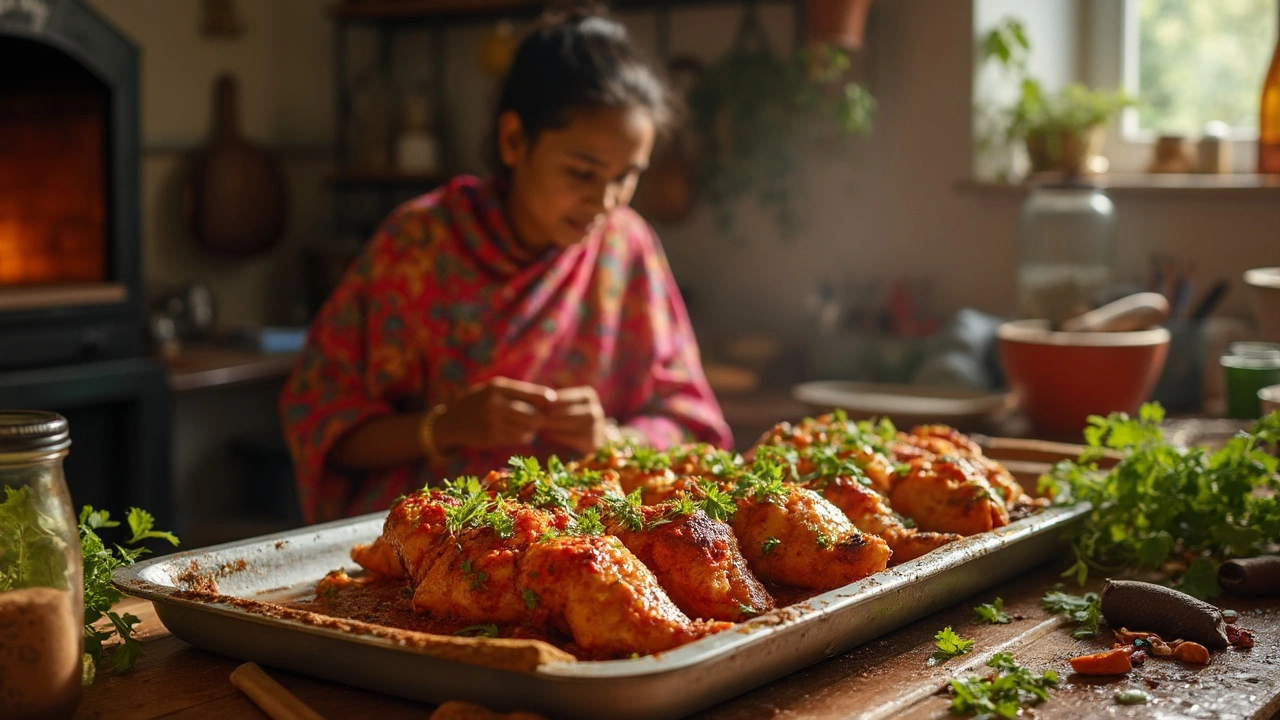
Why Is My Chicken Pooping Liquid? Cooking Insights for Tandoori Fans
If your chicken is producing liquid when cooked, you're not alone. This article breaks down why chicken can seem to 'poop' liquid, especially during tandoori cooking. We'll look at what causes excess moisture, how to prevent it, and how it impacts flavor and safety. Find practical tips to help you cook juicy, not soggy, tandoori chicken every time. Save yourself from common mistakes and learn what really matters when your marinade drips.
Is Salsa a Chutney? Breaking Down the Tangy Truth
Wondering if salsa is just another name for chutney? This article uncovers the similarities and differences between salsa and chutney, diving into their ingredients, methods, and cultural backgrounds. Get a clear picture of how these two iconic condiments stack up. You'll pick up tips for using them and ideas for swapping one for the other in your kitchen. If you've ever scratched your head in the condiment aisle, this will clear things up.
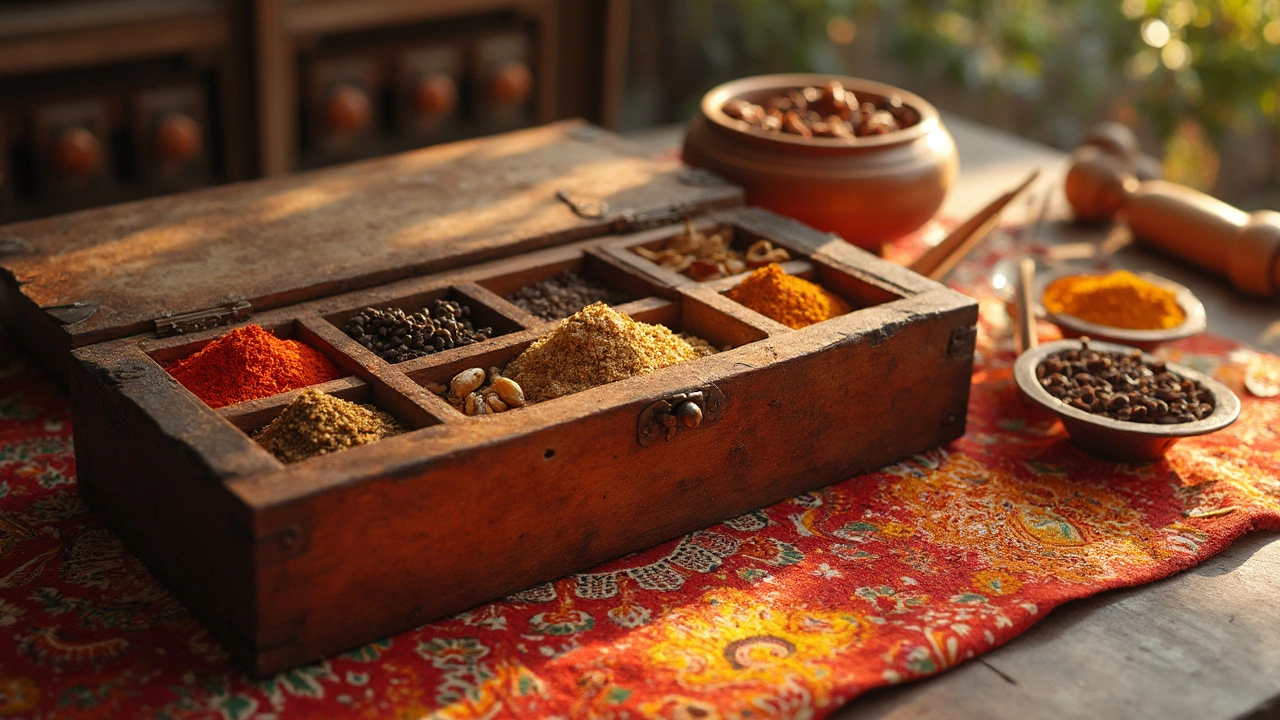
Which Spices Is Not Used in Garam Masala? Get Your Biryani Blend Right
Ever wondered which spices just don't belong in garam masala? Knowing what to skip can make or break your homemade biryani. This article breaks down common mix-ups, explains the key ingredients, and reveals why a few popular spices are always left out. Get the confidence to blend a perfect masala without second guessing. No more bland biryani or spice overkill!
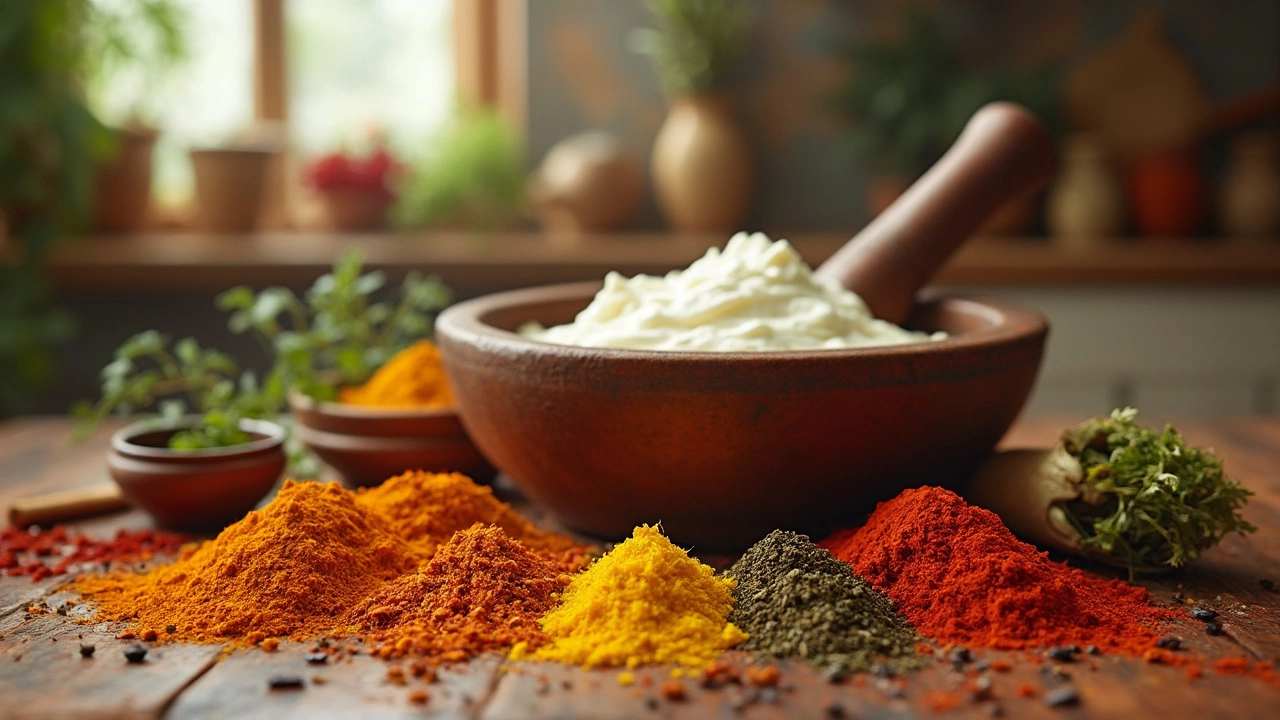
What's Tandoori Sauce Made Of?
Tandoori sauce is the heart of the famous tandoori chicken, known for its vibrant color and unique flavors. This article breaks down the key ingredients and spices that make up this savory sauce, explaining how each contributes to its taste and aroma. Readers will discover the roles of yogurt, spices, and more in crafting this iconic blend. Tips and interesting facts about the preparation and cultural context of tandoori sauce add depth to the exploration.
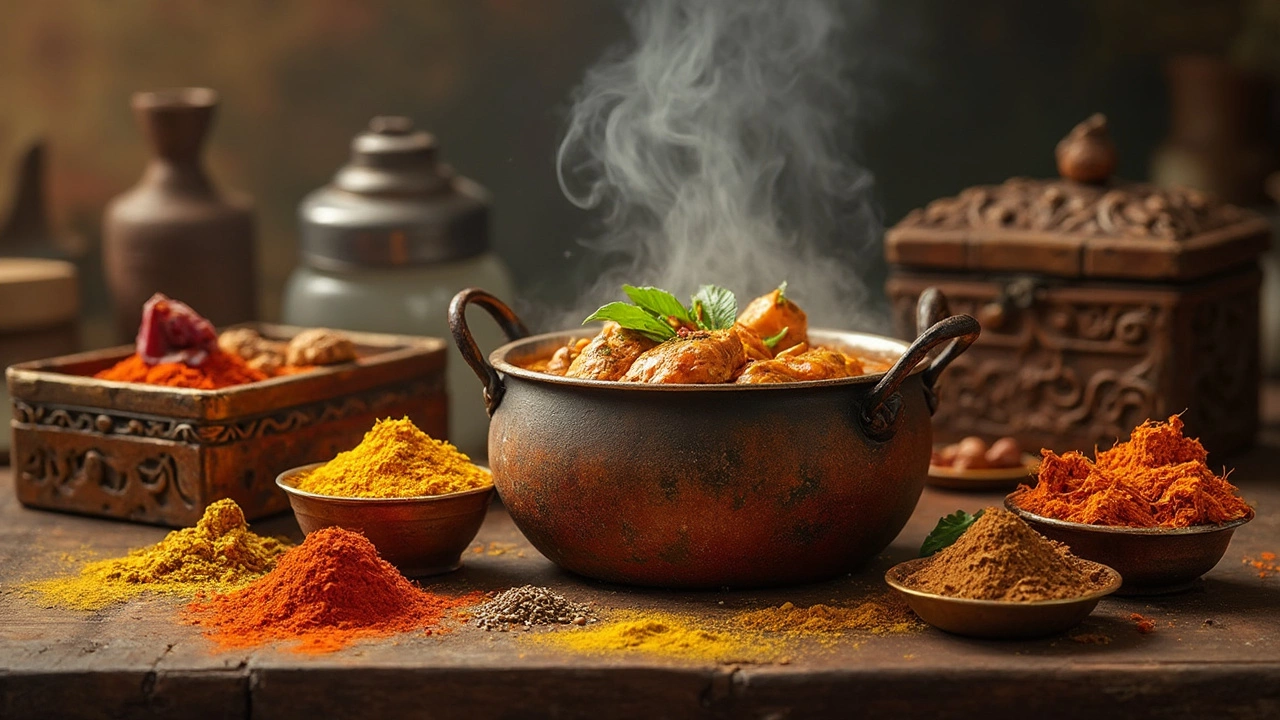
Best Spices for Chicken Curry: Elevate Your Dish
Discover which spices can transform your chicken curry from ordinary to extraordinary. This guide highlights essential spices, from turmeric to cardamom, that bring authentic flavors to your dish. Learn how to balance spices and explore their roles in creating a delightful curry. With helpful tips and interesting facts, you'll be ready to cook up a flavorful storm in the kitchen.
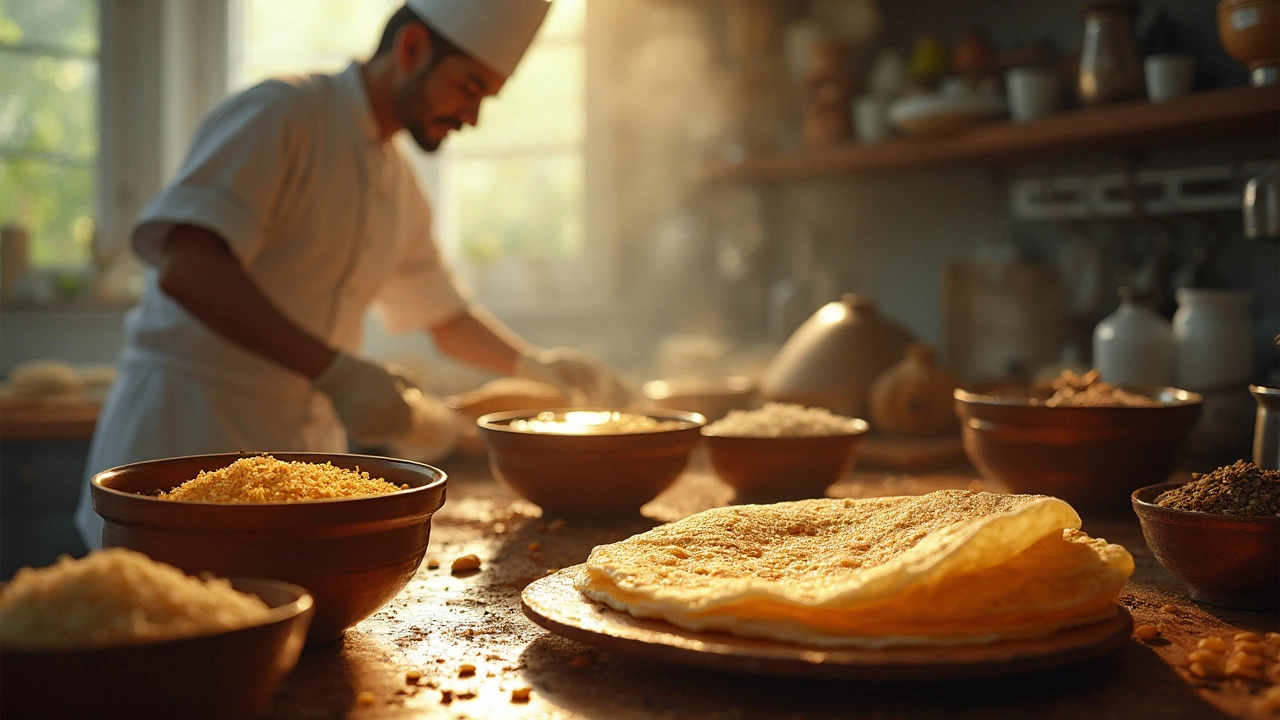
Why Crispy Dosa Batter Texture Eludes You: Common Mistakes and Fixes
Crispiness in dosa can be elusive, often hampered by simple mistakes in batter preparation or fermentation. If your dosa batter isn't yielding the crispiness you're aiming for, fear not, there are solutions and hacks to achieve that perfect texture. This article delves into common missteps like incorrect proportions, improper fermentation, and the role of ingredients. We’ll explore practical tips and tricks for achieving crispy, mouth-watering dosas every single time. Discover how factors like temperature and cooking techniques can make or break your dosa experience.