South Indian Recipes: Crispy Dosas, Fermented Batters, and Regional Flavors
When you think of South Indian Recipes, a vibrant, rice-based culinary tradition from the southern states of India known for its fermented batters, coconut flavors, and light yet satisfying meals. Also known as Dravidian cuisine, it’s the kind of food that starts your day with a crispy dosa and ends it with a bowl of steaming idli and sambar. These aren’t just meals—they’re a daily ritual built on patience, tradition, and a deep understanding of how ingredients behave together.
The magic behind most South Indian breakfasts lies in fermentation, a natural process where bacteria and yeast break down starches and sugars to create airiness, tang, and digestibility. This is what turns a simple mix of rice and lentils into fluffy idlis or crisp dosas. You don’t need fancy tools. Just time, warmth, and the right ratio of ingredients. But here’s the catch: not all rice works the same. best rice for dosa, specifically parboiled or idli rice, gives the batter the right structure to hold air and crisp up without turning gummy. Using regular long-grain rice? You’ll end up with flat, sticky dosas. It’s not your pan—it’s the grain.
Then there’s curd in dosa, a simple addition that speeds up fermentation and adds a subtle tang that balances the earthiness of the lentils. It’s not optional if you want that authentic flavor. But add too much, and your batter turns sour before it’s ready. Too little, and your dosas stay dense. It’s a tightrope walk—and one that every home cook eventually masters through trial and error. And while some try shortcuts like yeast, the truth is, nothing beats the slow, natural rise. Yeast gives you speed, but it steals the soul of the batter.
Why do so many people struggle with rubbery or soggy dosas? It’s rarely the heat of the tawa. More often, it’s the batter’s texture, the fermentation time, or the type of rice used. The posts below break down exactly what goes wrong—and how to fix it. You’ll find out why soaking time matters more than you think, how temperature changes your fermentation, and what happens when you skip the urad dal grind. These aren’t theories. They’re fixes from real kitchens, tested by people who make dosas every morning.
Whether you’re trying to nail that first crispy edge, understand why your batter smells sour, or pick the right rice from the store shelf, everything you need is right here. No fluff. No guesswork. Just clear, practical answers to the questions that actually matter when you’re standing at your counter with a bowl of batter and a hot tawa waiting.

Should I Add Salt Before Fermenting Dosa Batter? The Science Behind Timing and Taste
Adding salt before fermenting dosa batter can kill good bacteria and prevent rising. Learn why waiting until after fermentation gives you crisp, fluffy dosas every time-even in cool climates.
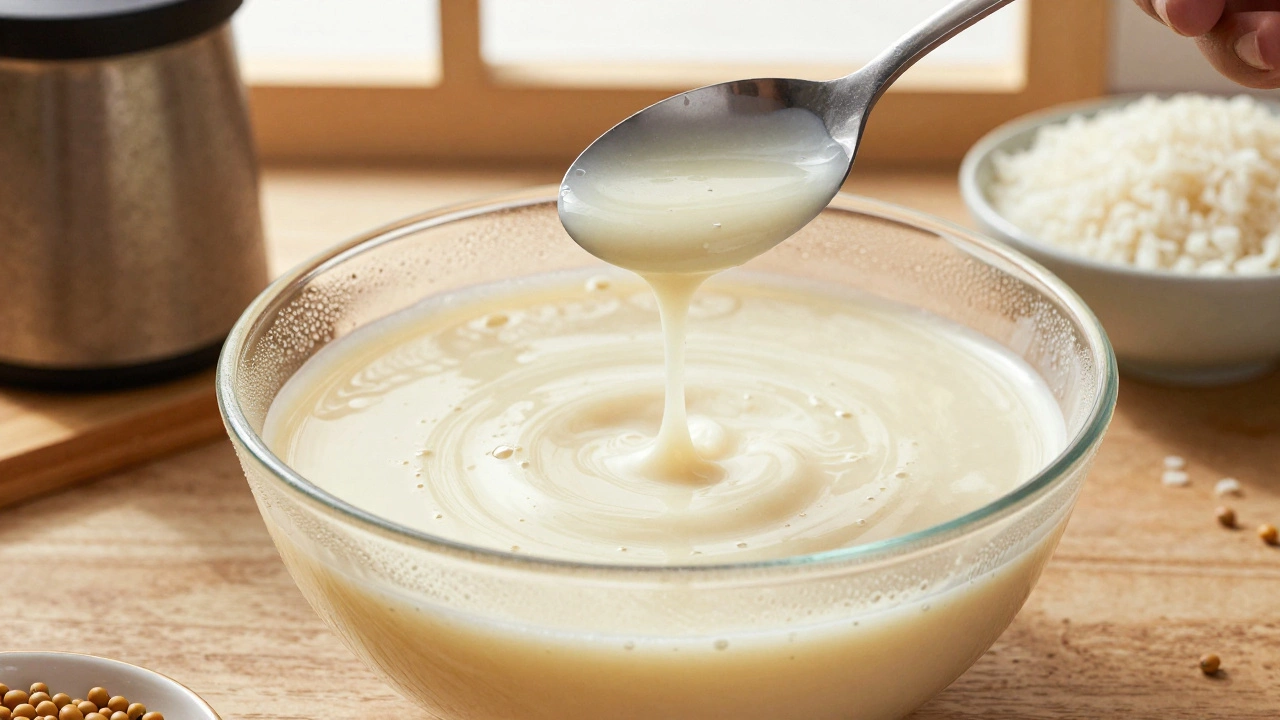
Why Is My Dosa Batter Rubbery? Fix Your Dosa Batter with These Simple Fixes
Your dosa batter turns rubbery because it's under-fermented, too thick, or not ground right. Learn how to fix it with temperature tips, water ratios, and fermentation tricks that actually work.
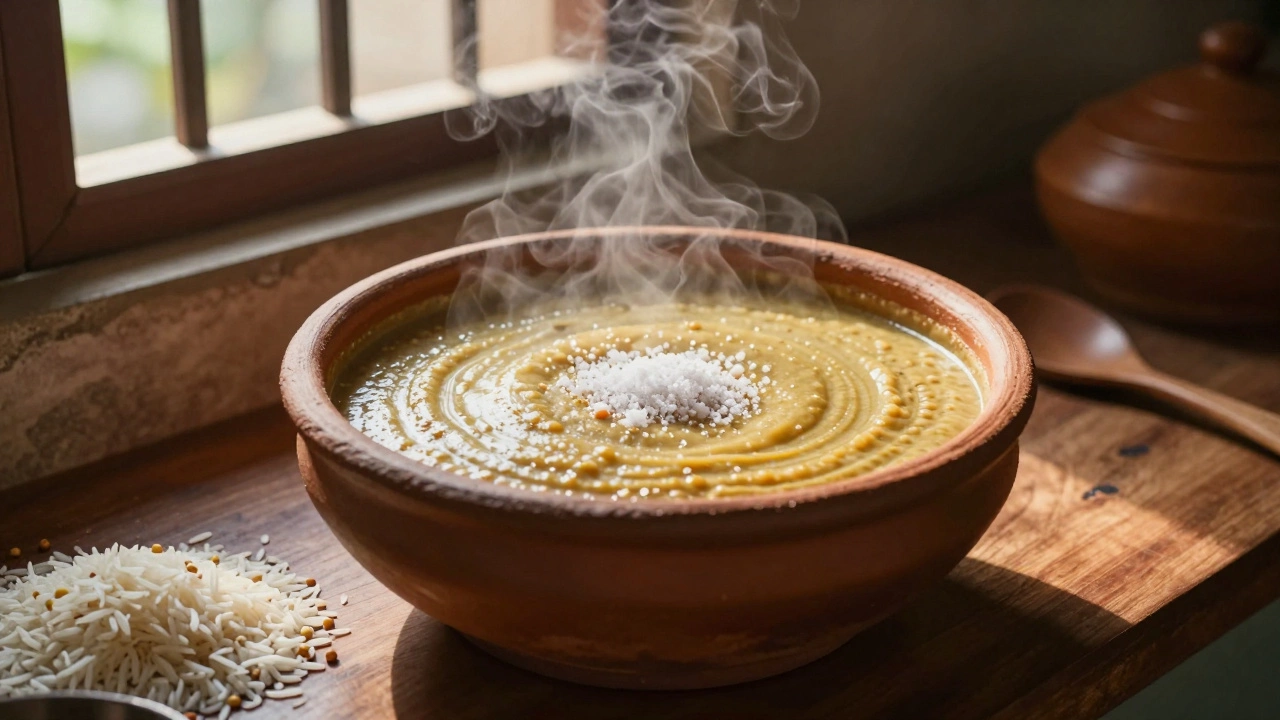
Should We Add Salt to Dosa Batter? The Science Behind the Flip
Adding salt to dosa batter isn't optional - it's essential for flavor and fermentation. Learn the right amount, timing, and type of salt to use for perfect, crispy dosas every time.
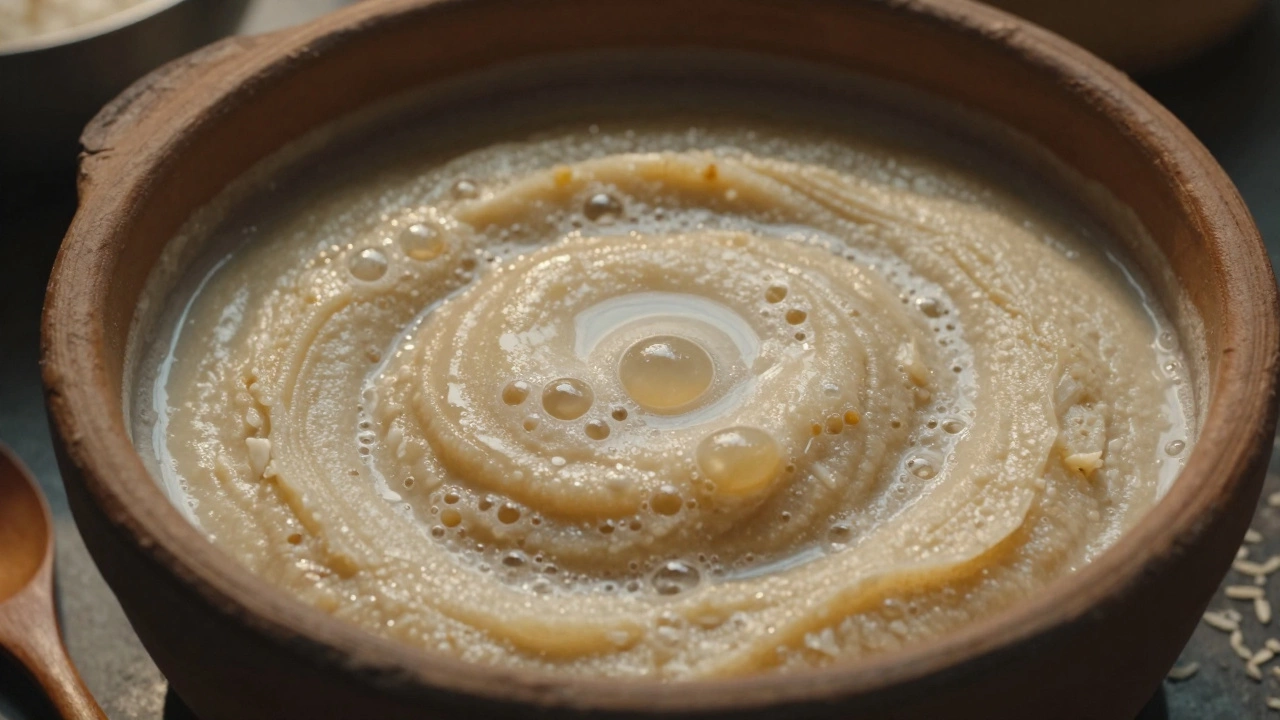
Is It Safe to Eat Over-Fermented Dosa Batter? What Happens When It Sours Too Much
Is over-fermented dosa batter safe to eat? Learn what happens when it sours too much, how to tell if it's spoiled, and simple fixes to save your batter without risking your health.
Dosa vs. Rice: Which One Is Healthier for Your Diet?
Curious if dosa beats rice for health? Find out how dosa compares to rice in nutrition, digestion, and weight management, plus expert tips for healthy eating.
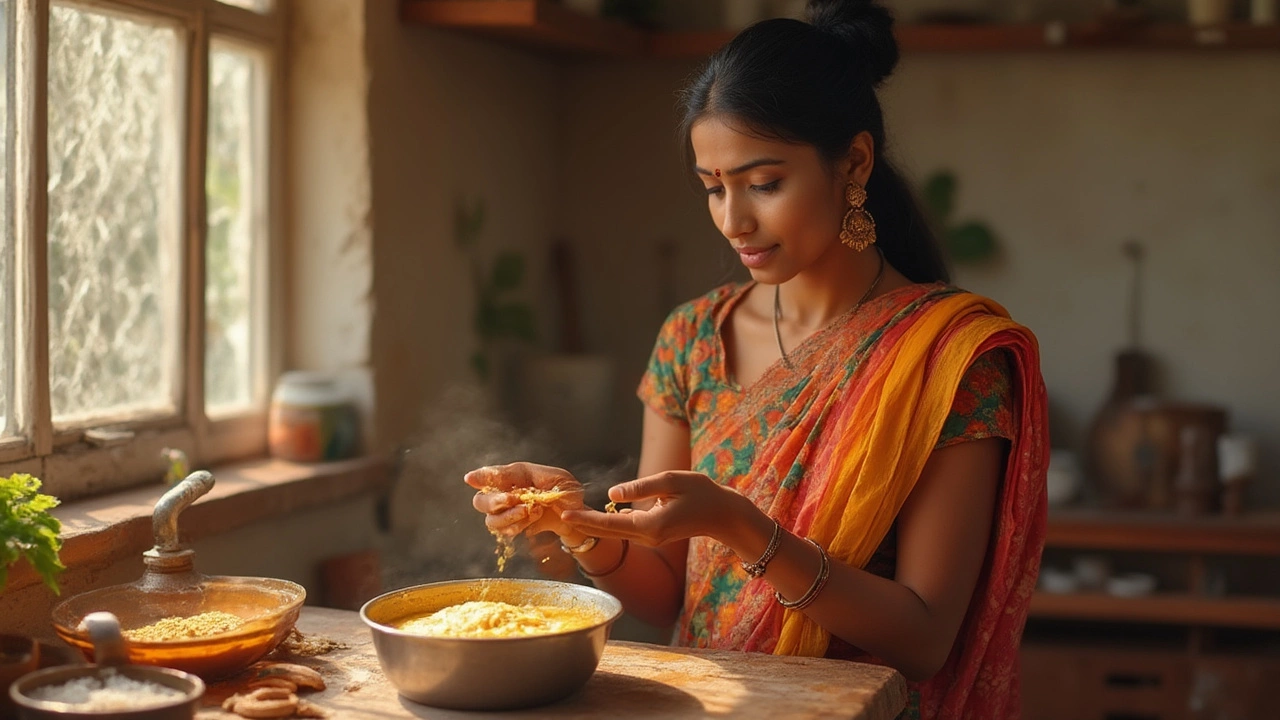
Why Your Dosa Batter Turns Rubbery: Causes, Fixes, and Pro Tips
Discover why dosa batter turns rubbery, how to fix it, and expert tips for perfect crispy dosas every time at home.

Curd in Dosa Batter: What Really Happens and Why You Should Try It
Curious about adding curd to dosa batter? This article breaks down what actually happens when you mix curd into your dosa base, tackling texture, taste, and technique. Discover how curd changes fermentation, why it makes your dosas fluffier, and what to watch out for if you go overboard. Packed with practical tips for home cooks who want to level up their dosas. If you've ever ended up with flat or sour dosas, this guide is for you.

Is Adding Yeast to Dosa Batter a Good Idea?
Exploring the idea of adding yeast to dosa batter can spark a lively debate. Traditionally, dosa batter relies on a natural fermentation process, but yeast might offer a quicker alternative. While yeast is not part of the conventional recipe, it may impact texture and taste. This article examines whether introducing yeast into the dosa-making process is a culinary innovation or a recipe faux pas.
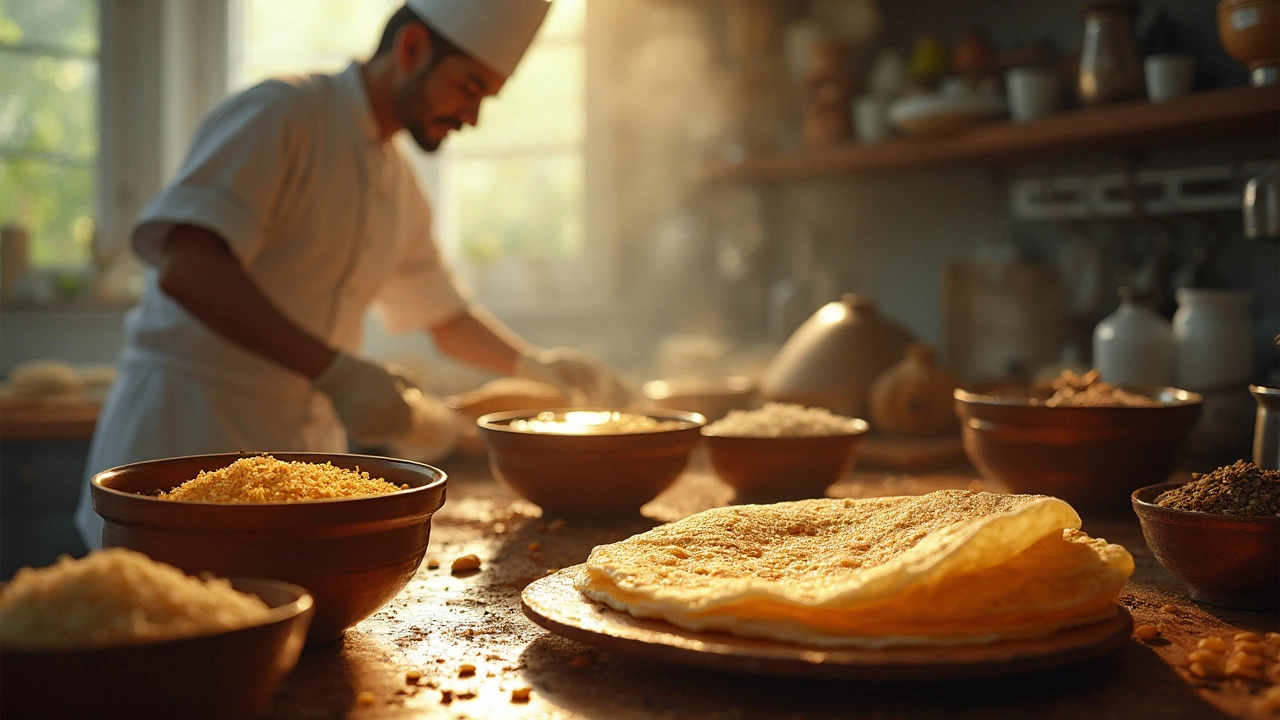
Why Crispy Dosa Batter Texture Eludes You: Common Mistakes and Fixes
Crispiness in dosa can be elusive, often hampered by simple mistakes in batter preparation or fermentation. If your dosa batter isn't yielding the crispiness you're aiming for, fear not, there are solutions and hacks to achieve that perfect texture. This article delves into common missteps like incorrect proportions, improper fermentation, and the role of ingredients. We’ll explore practical tips and tricks for achieving crispy, mouth-watering dosas every single time. Discover how factors like temperature and cooking techniques can make or break your dosa experience.
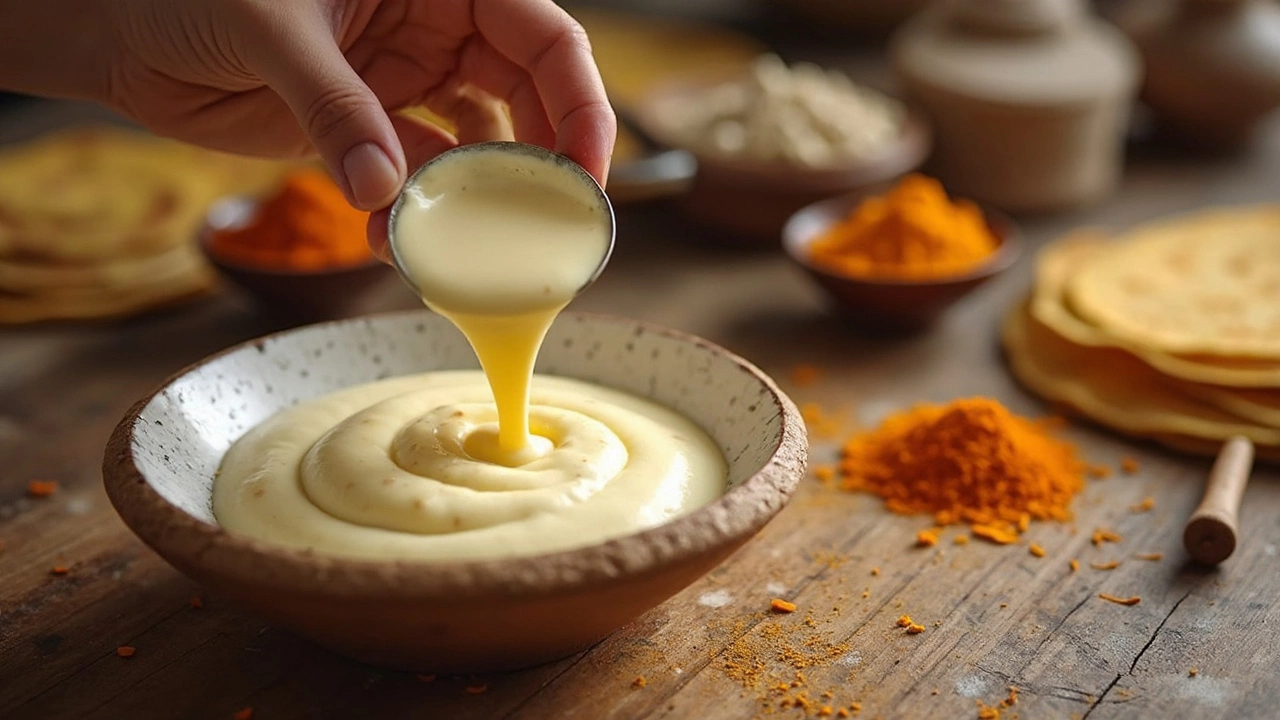
Why We Add Curd to Dosa Batter: The Secret Ingredient for Perfect Dosas
Adding curd to dosa batter is a common practice, but have you ever wondered why? It turns out, curd serves as a natural fermenting agent, enhancing texture and flavor. This process not only speeds up fermentation but also boosts the tanginess, essential for a delicious dosa. Let's explore how this addition makes a significant difference to your batter and ultimately, your dosas.
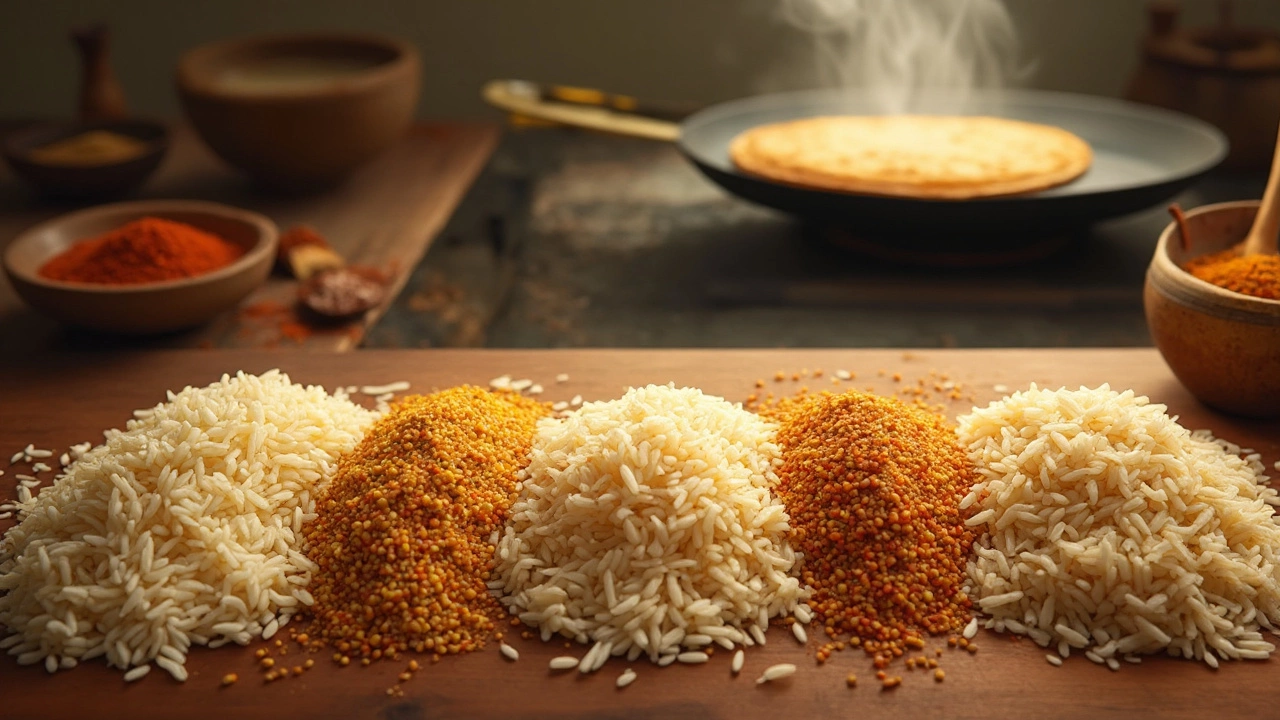
Best Rice Choices for Making the Perfect Dosa
A perfectly crispy dosa depends largely on the type of rice used in the batter. This article explores the best rice varieties for dosa-making, providing tips to achieve the ideal texture and flavor. From traditional to modern twists, discover key factors that influence dosa quality. Learn how choosing the right rice can elevate your dosa game and impress at your next meal.