Indian Dish: The Real Story Behind the Flavors
When we talk about an Indian dish, a broad category of meals rooted in regional ingredients, spice blends, and cooking traditions across India. Also known as Indian cuisine, it’s not a single recipe—it’s hundreds of ways to turn simple ingredients into unforgettable meals. You might think of curry, but that’s just the surface. An Indian dish could be a fluffy biryani, a layered rice dish cooked with saffron, kewra water, and slow-steamed meat or vegetables that smells like a monsoon evening, or a plain roti, a flatbread that puffs up only when heat, dough, and technique all align straight off the tawa. It’s not about complexity—it’s about precision.
Then there’s paneer, a fresh, non-melting cheese made by curdling milk with lemon juice or vinegar, the star of countless curries and the go-to substitute for meat in vegetarian meals. It doesn’t behave like regular cheese—it holds its shape, so you can fry it, grill it, or toss it into spicy gravy without turning to mush. And if you’re out of chutney, a tangy, spicy condiment that cuts through rich dishes and adds brightness, you don’t need to run to the store. Mango salsa, spiced apple butter, or even pico de gallo can step in—because the real goal isn’t the jar, it’s the balance of sweet, sour, and heat.
And let’s not forget tandoori chicken, a dish defined by its fiery red color from Kashmiri chili and the smoky char of a clay oven. That color? It’s not food dye. It’s spice, time, and heat working together. The same way biryani’s aroma comes from hidden layers—not just curry powder—Indian dishes aren’t built in a single step. They’re layered: spices toasted, yogurt marinated, herbs added at the end. You can’t rush them.
What you’ll find here isn’t just recipes. It’s the why behind the how. Why your roti won’t puff. Why paneer substitutes fail. Why that liquid from chicken isn’t poison. Why the most expensive sweet in India costs more than a laptop. These aren’t random posts—they’re answers to real problems home cooks face. Whether you’re trying to nail the perfect biryani texture, find a cheese that acts like paneer, or just understand what makes chutney irreplaceable, this collection cuts through the noise. No fluff. No guesswork. Just what works.
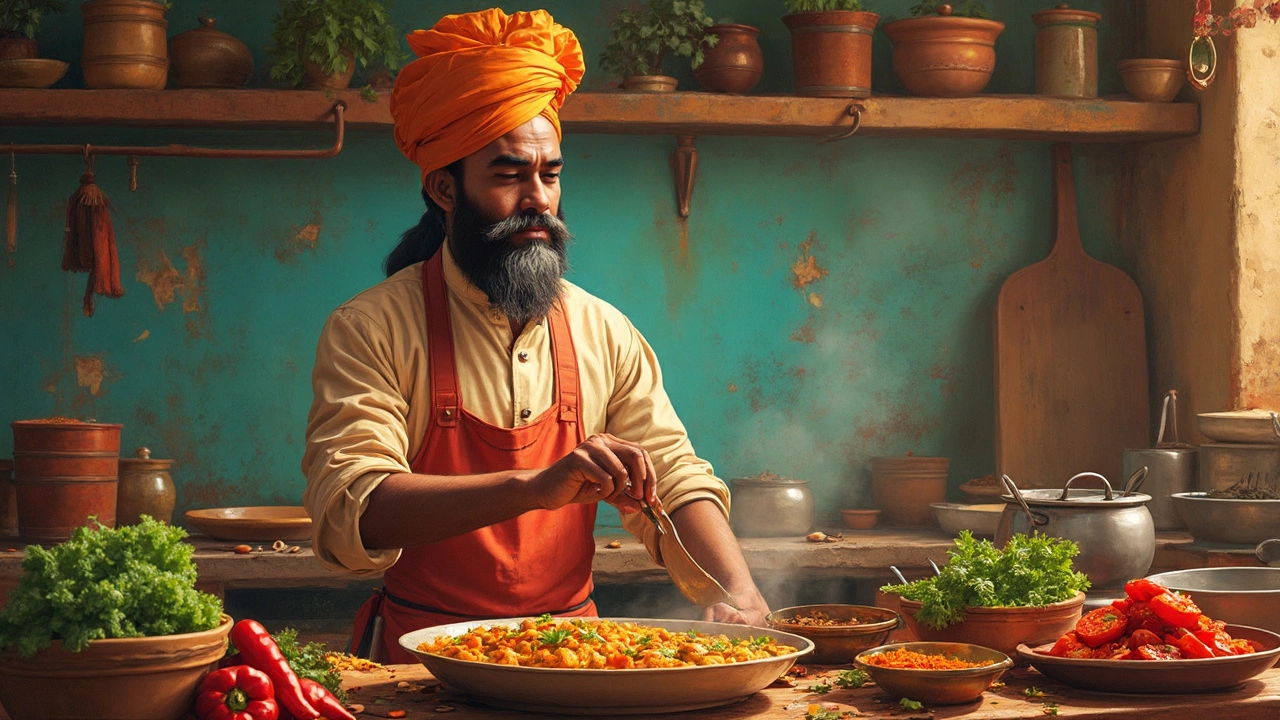
Discovering the Most Popular Vegetarian Indian Dish
Dive into the world of Indian vegetarian cuisine by exploring its most popular dish. This article uncovers the cultural significance, unique flavors, and cooking techniques that make this dish a favorite. Learn how its vibrant ingredients come together to create a healthy and satisfying meal. Find out why it's loved by vegetarians and non-vegetarians alike, and get tips on how to enjoy it at home. Perfect for anyone wanting to add some spice to their vegetarian diet.