Biryani Recipe: Authentic Ways to Make This Iconic Indian Dish
When you think of biryani, a fragrant, layered rice dish from India with meat, spices, and saffron. Also known as biriyani, it’s not just food—it’s a celebration in a pot. Whether it’s spicy Hyderabadi chicken biryani, mild Lucknowi style, or vegetarian version with potatoes and peas, every region has its own take. But here’s the truth: real biryani isn’t about tossing rice and meat together. It’s about layering flavors slowly, letting steam do the work, and using spices that wake up your senses.
What makes a biryani recipe work? Three things: biryani spices, a blend of whole and ground spices like cardamom, cloves, cinnamon, and nutmeg, often toasted to unlock their depth, biryani rice, long-grain basmati soaked and parboiled so each grain stays separate and fluffy, and chicken biryani, the most popular version, where marinated meat is cooked low and slow before being layered with rice. You can swap chicken for goat, shrimp, or even paneer—but the soul stays the same. Potatoes? They’re not an afterthought. In many homes, they’re the secret that soaks up spice and adds texture. And don’t skip the garnish—fresh cilantro and mint aren’t just pretty. They cut through the richness and tie the whole dish together.
Most people mess up biryani by rushing it. You can’t pressure-cook your way to perfect layering. You can’t skip soaking the rice. You can’t dump all the spices in at once. The magic happens in the wait—the simmer, the steam, the covered pot letting everything marry slowly. That’s why the best biryani recipes don’t have 15 steps. They have 5 good ones, done right. Below, you’ll find real posts from home cooks who’ve cracked the code: how to get that golden saffron hue without food coloring, why some use yogurt in the marinade, and which oil gives the crispiest bottom crust. No fluff. Just what works.

Why Do We Add Lemon to Biryani? The Science and Tradition Behind the Squeeze
Discover why lemon is essential in biryani recipes. From cutting through rich fats to preserving color and enhancing iron absorption, learn the science and tradition behind this crucial garnish.
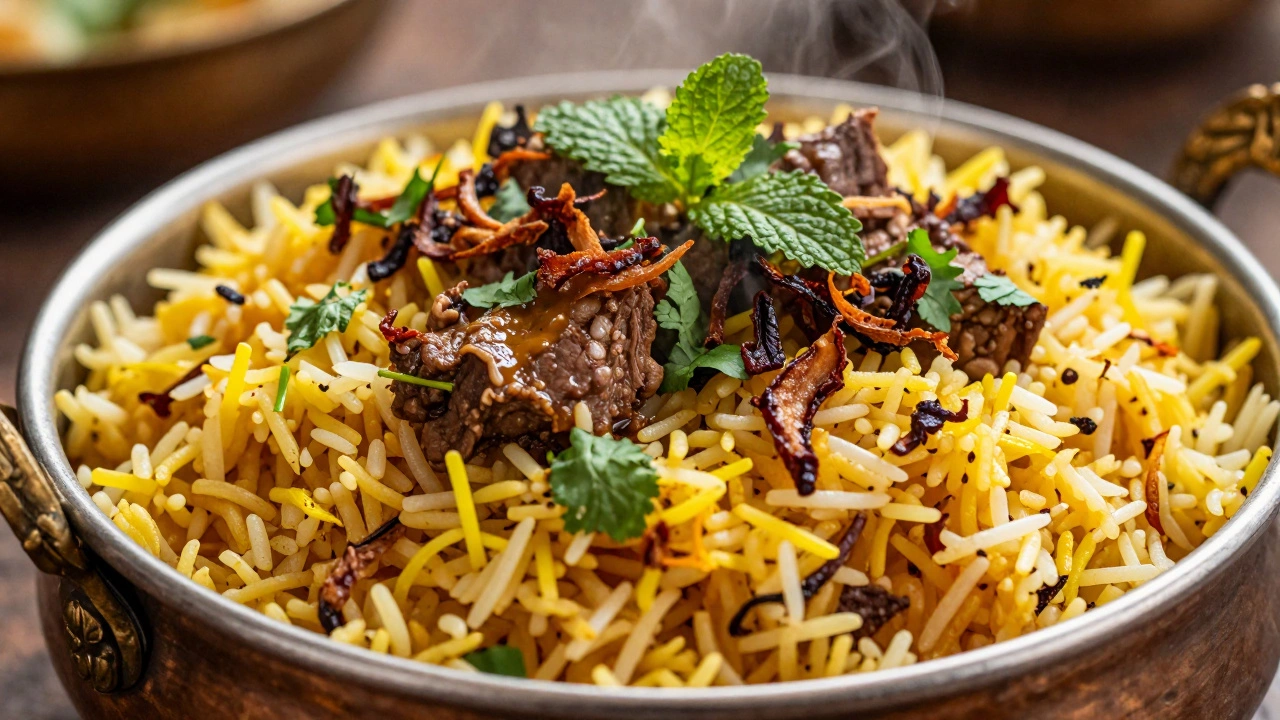
What Makes Biryani More Tasty: The Secrets to Perfect Flavor and Texture
Discover the secrets to making biryani more tasty with expert tips on rice selection, spice layering, and the traditional dum cooking method.
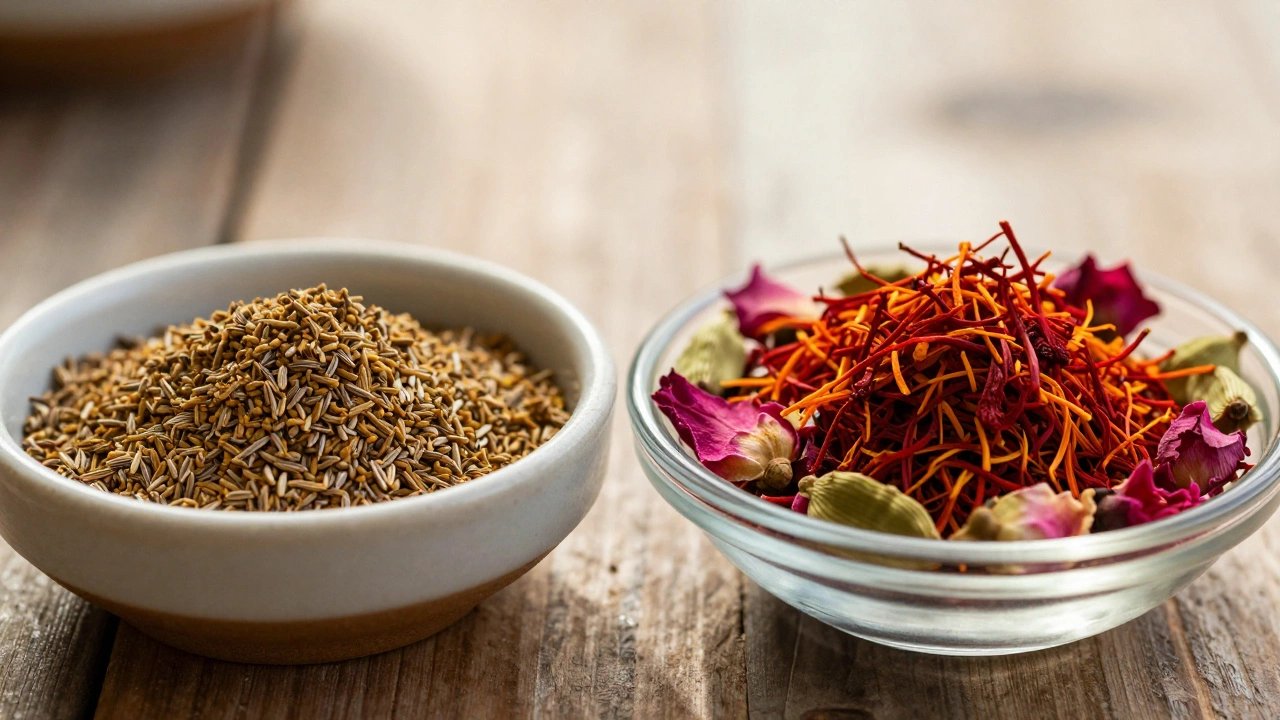
Do You Put Garam Masala in Biryani? The Definitive Spice Guide
Discover the truth about using garam masala in biryani. Learn the key differences between standard blends and biryani masala, timing techniques, and how to make your own authentic spice mix for perfect results.
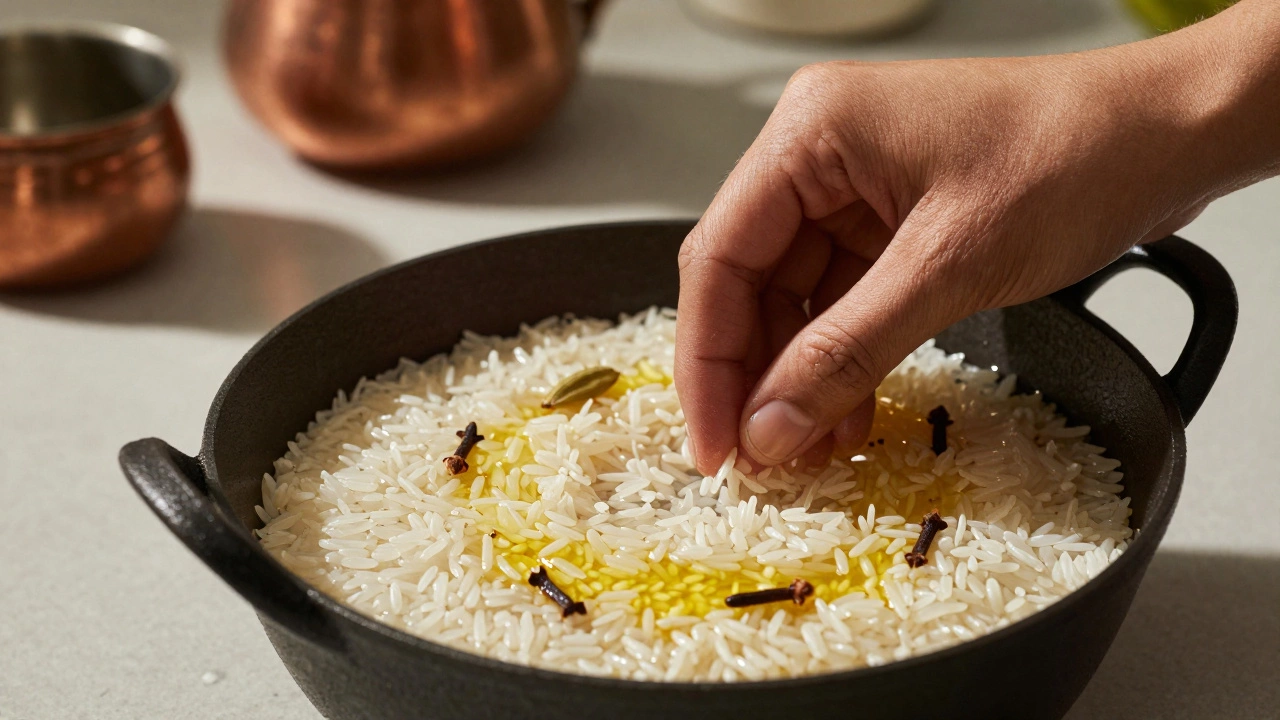
Why Is Biryani Difficult to Make? The Real Reasons Behind the Challenge
Biryani is hard to make because it demands precise rice cooking, layered spices, slow steaming, and patience-not just following a recipe. Learn why it fails and how to get it right.
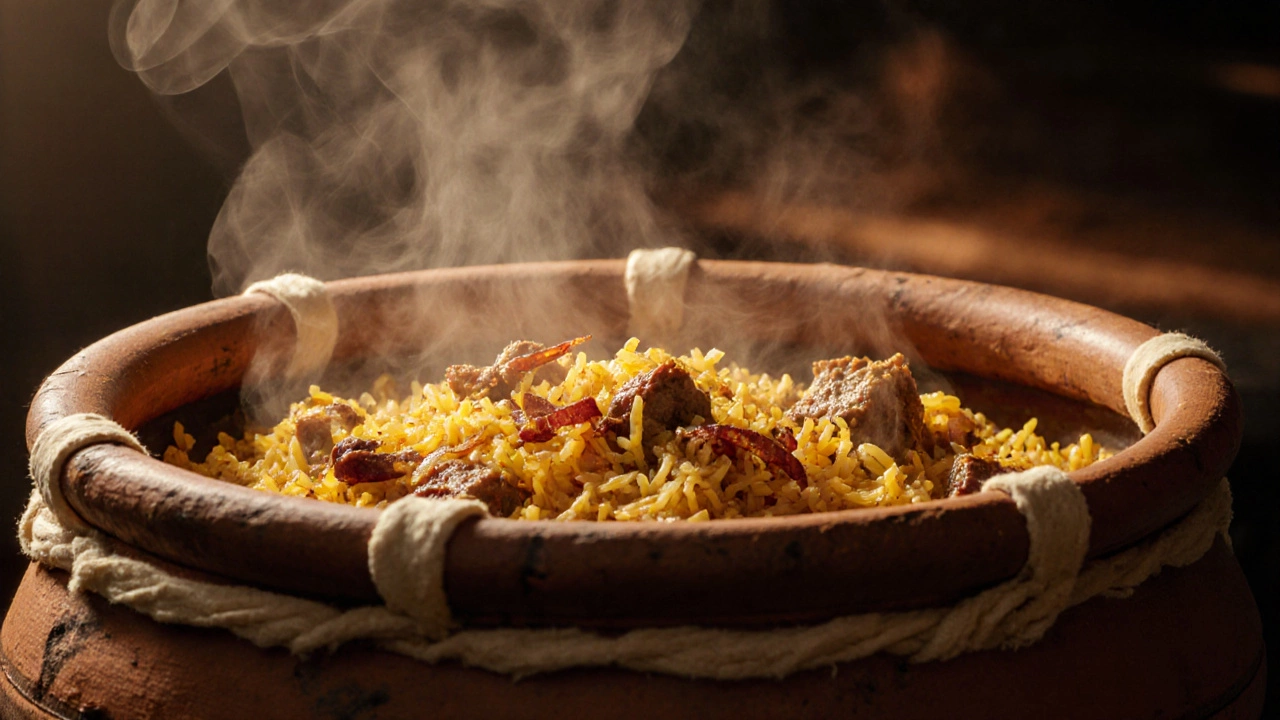
How Long to Keep Biryani in the Oven? Perfect Baking Time for Fluffy, Aromatic Rice
Biryani needs 25 minutes in a 325°F oven to cook perfectly-enough to steam the rice without drying it out. Learn how to time it right, avoid common mistakes, and get fluffy, aromatic results every time.
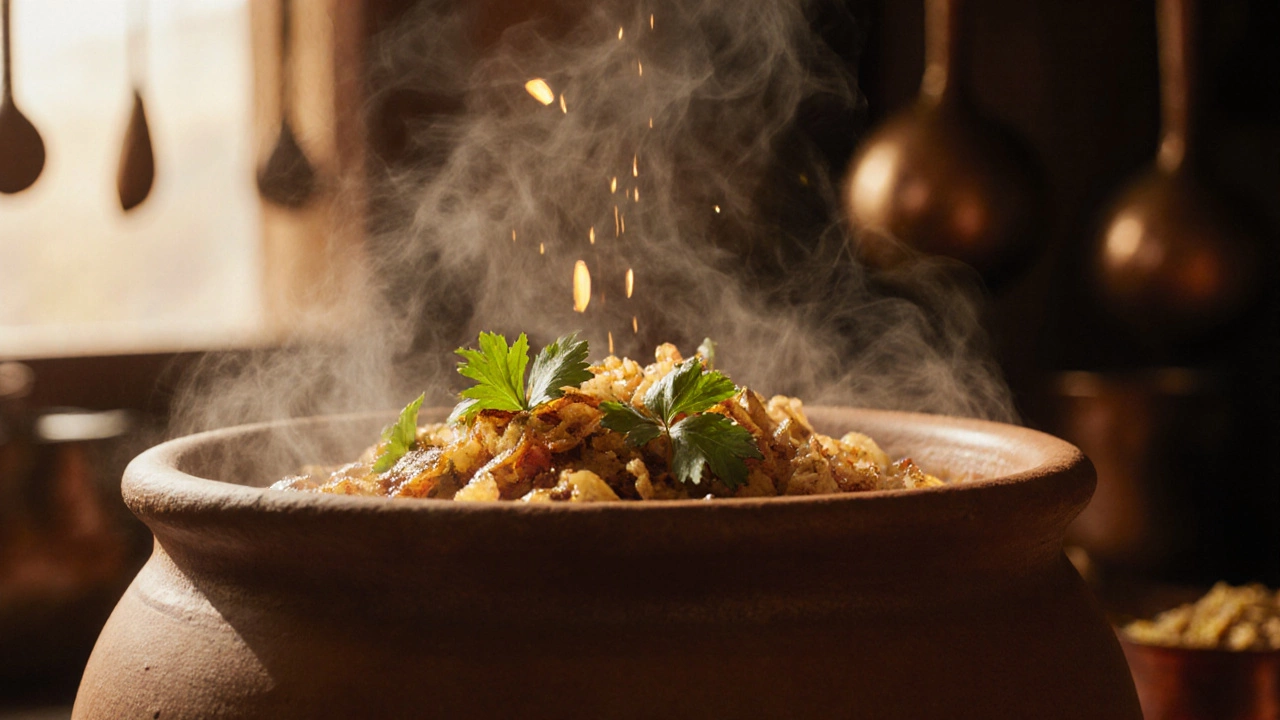
What Is the Secret Smell of Biryani? The Real Aromas Behind the Dish
The secret smell of biryani comes from layered spices, slow cooking, and hidden ingredients like kewra water and saffron-not just curry powder. Learn what makes it unforgettable.

Why Biryani Is So Juicy: Secrets Behind Moist Rice & Tender Meat
Unlock the secrets to juicy biryani with practical tips on rice, meat, marinades, and steam cooking. Discover how the right techniques make biryani irresistibly moist.

Secret Ingredients in Biryani: What Makes It Irresistible?
Ever wondered what takes biryani from good to unforgettable? This article digs into the secret ingredients and flavors that make biryani special. Discover the unique touches cooks use in different regions. Get tips for boosting taste and aroma right at home. You'll never look at this classic dish the same way again.
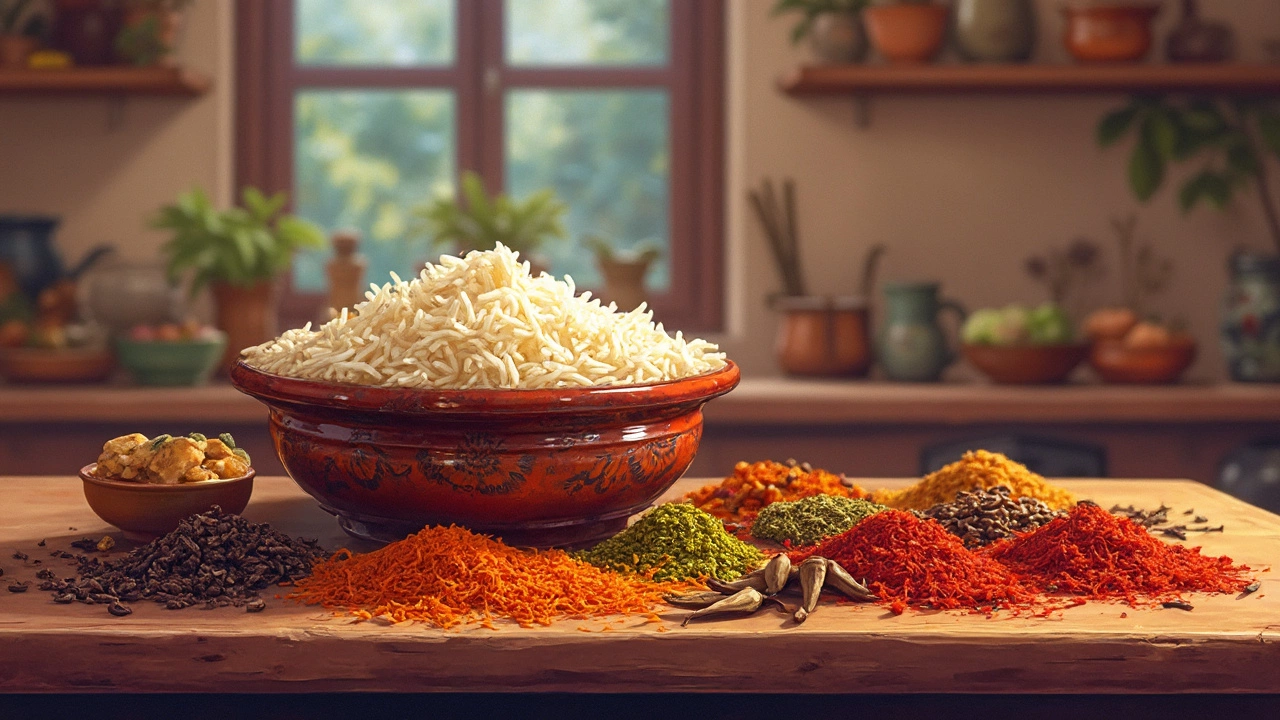
What Gives Biryani Its Taste?
Biryani, a delicious medley of spices, meats, and rice, owes its flavor to a unique combination of ingredients. From the aromatic basmati rice to the blend of spices like saffron and cardamom, each component plays a crucial role. The preparation method, including marination and slow cooking, is another key factor. Understanding these elements can help you prepare a mouth-watering biryani at home.
Is Biryani Healthier Than Fried Rice?
Figuring out if biryani is healthier than fried rice can be tricky, given how both dishes are loaded with flavor and calories. Biryani, with its aromatic spices and layered flavors, can provide more nutritional variety and beneficial attributes if you make some smart ingredient choices. Meanwhile, fried rice tends to be heavier in oils and less diverse in nutrients, often making it less suitable for the health-conscious eater. This article explores the health aspects and tips to make both dishes leaner and more nutritious.

Why Does My Biryani Taste Bland? Spice Up Your Recipe Now!
Ever wondered why your biryani lacks that punch of flavor? This article explores the common mistakes that lead to bland biryani and offers practical solutions to spice up your dish. Learn about essential spices, cooking techniques, and the importance of proper marination. With a few tweaks, make your biryani burst with taste and aroma.