Indian Sweet Recipes: Traditional Desserts, Famous Sweets, and How They're Made
When you think of Indian sweet recipes, a vibrant collection of sugar-laced, spice-infused desserts made for festivals, weddings, and family gatherings. Also known as mithai, these treats are more than dessert—they’re cultural symbols, passed down through generations and shaped by regional ingredients, climate, and tradition. From the creamy, cardamom-kissed moti chur laddoo, a handcrafted sweet made with fried dough balls, sugar syrup, and edible gold leaf costing over ₹2 lakh, to the humble gulab jamun, soft fried dough balls soaked in rose-scented syrup, every Indian sweet tells a story. These aren’t just sugary snacks—they’re made with milk solids (khoya), nuts, cardamom, saffron, and sometimes even rosewater or kewra, turning simple ingredients into luxury.
What makes Indian sweet recipes different isn’t just the sweetness—it’s the balance. A good rasgulla isn’t just syrupy; it’s tender with a slight bounce. A properly made jalebi isn’t just orange—it’s crisp on the outside, syrup-soaked but not soggy, and served warm. These details matter because they’re tied to technique, not just recipes. You can’t rush a barfi. You can’t skip the slow simmering of milk for khoya. And you definitely don’t use store-bought condensed milk when making traditional kheer, a creamy rice pudding cooked for hours with cardamom and nuts. These are skills, not shortcuts.
Indian sweet recipes aren’t just about taste—they’re about timing, occasion, and community. Diwali means gulab jamun on every plate. Eid brings sheer khurma. Weddings feature layered pedas and dry fruit barfis. Even everyday moments get sweetened with a piece of jalebi from the street vendor. And while global sugar consumption rankings show India near the top, it’s not about excess—it’s about meaning. A single laddoo shared during a prayer, a plate of sweets offered to guests, a child’s first bite of rasgulla—it’s all part of the rhythm of life.
Below, you’ll find real posts that dig into the details: why some sweets cost more than gold, what makes them stick together, how they’re served, and what to look for when buying or making them at home. No fluff. Just the facts, stories, and tricks that actually help you understand and enjoy these sweets the way they’re meant to be.
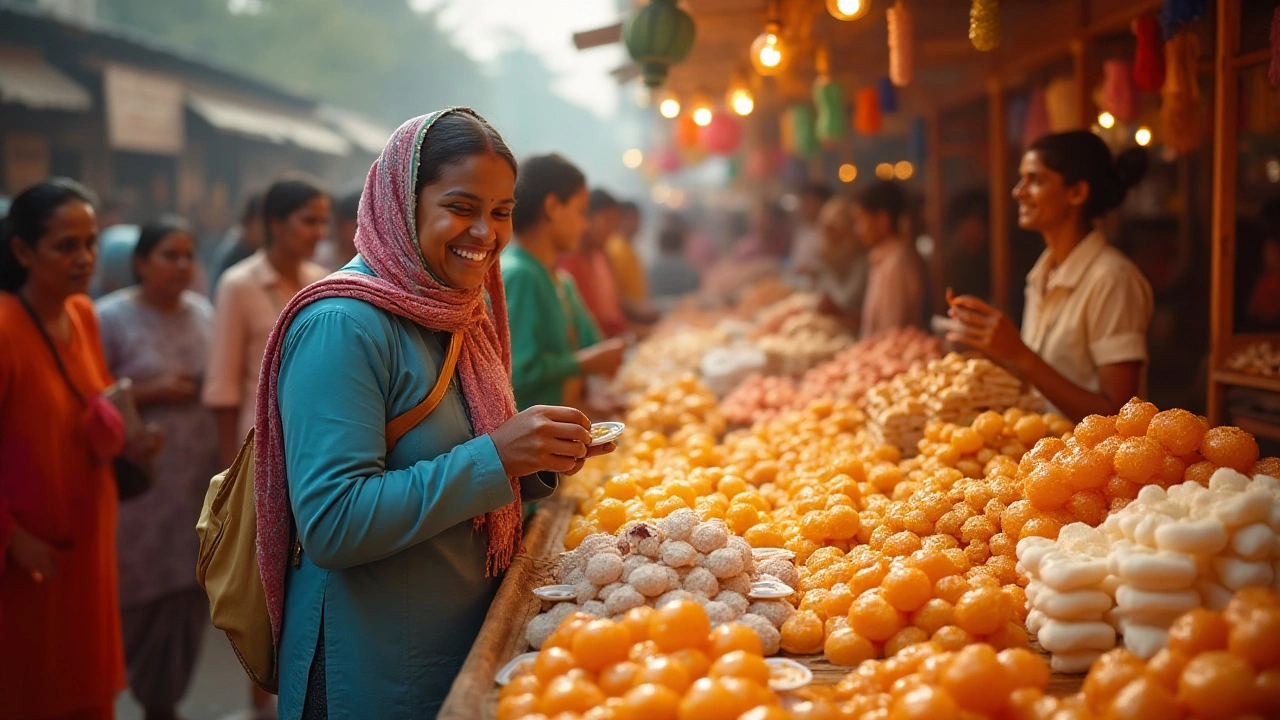
Discovering India's Most Beloved Sweet Delight
India boasts a rich tradition of sweets that are as diverse as its culture. From north to south, each region offers a unique sweet delight that tells a story of tradition, history, and flavor. The quest to determine India's number one sweet is no easy task, as choices range from the syrupy gulab jamun to the creamy rasgulla. This article explores the contenders for the title, offering insights into the making and significance of these cherished treats.