Indian Culture: Food, Traditions, and Daily Rituals That Define a Nation
When you think of Indian culture, the vibrant, layered way of life rooted in centuries of tradition, regional diversity, and spiritual depth. Also known as Hindustani culture, it lives not just in temples or festivals, but in the sizzle of mustard seeds in hot oil, the steam rising from a plate of idli, and the quiet ritual of breaking roti with your fingers. This isn’t just about spices or clothing—it’s about how people eat, celebrate, and connect every single day.
Food is the heartbeat of Indian culture, a living expression of geography, religion, and family history. In the south, breakfast isn’t toast and coffee—it’s steamed rice cakes called idli, served with coconut chutney and sambar. In the north, it’s buttery parathas stuffed with potatoes or paneer, eaten with yogurt and pickles. Even the way you eat matters: using your hands isn’t messy—it’s intentional, connecting you to the temperature, texture, and aroma of the food. Biryani, a layered rice dish cooked slowly with saffron, kewra water, and tender meat or vegetables. It’s not just dinner—it’s a celebration, often passed down through generations, with every family claiming their version is the true one. And then there’s paneer, a fresh, non-melting cheese made by curdling milk with lemon juice or vinegar. It’s not found in Western supermarkets, but it’s the star of curries across India, showing how simple ingredients can become central to identity.
Indian culture doesn’t wait for holidays to shine. It’s in the way a mother checks if her roti puffs up just right, the pride in making chutney from scratch, or the quiet ritual of offering food to the gods before eating. It’s why people care so much about the exact shade of red in tandoori chicken, or why someone will spend three days handcrafting a gold-leaf laddoo for a wedding. These aren’t quirks—they’re acts of love, passed from one generation to the next. You won’t find this in textbooks. You’ll find it in the kitchen, at dawn, with steam on the windows and the smell of cumin in the air.
What follows is a collection of real, practical stories from Indian kitchens—how to fix flat roti, why biryani smells the way it does, what really goes into a perfect chicken curry, and which snacks are healthier than they look. This isn’t just a recipe list. It’s a window into how Indian culture eats, lives, and survives—through food, patience, and a whole lot of flavor.
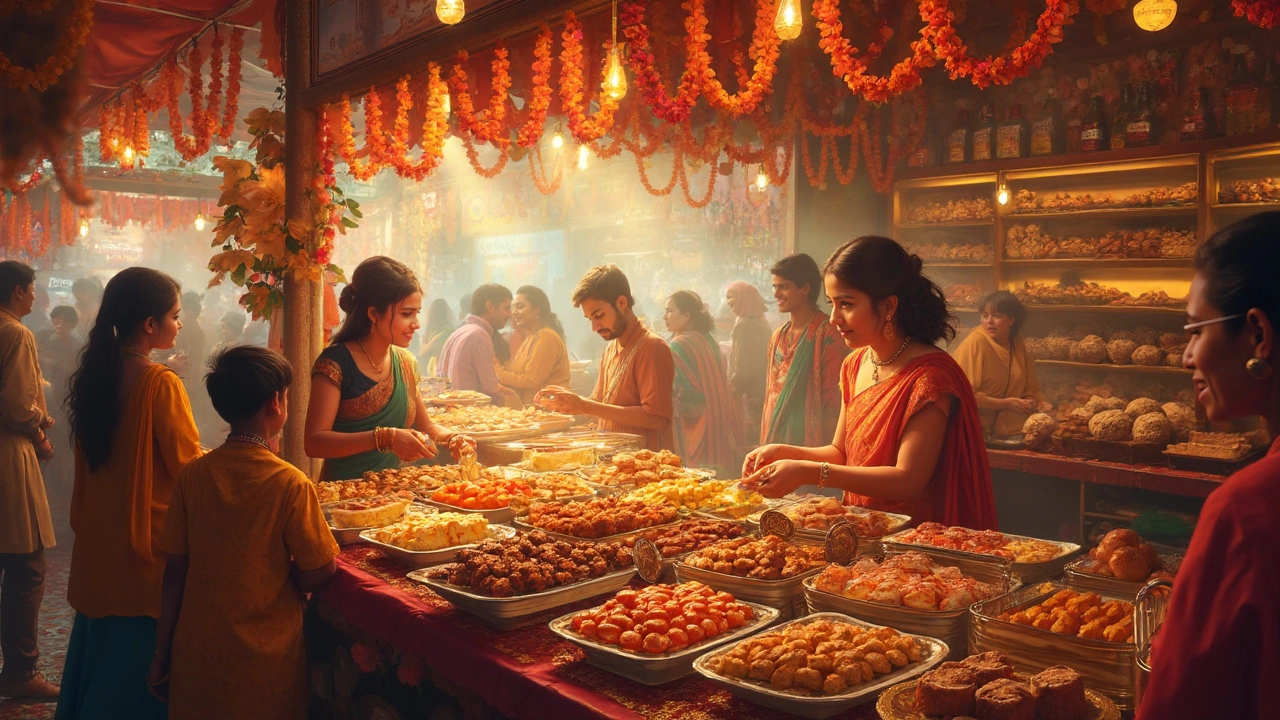
Why Indians Crave Sweets: Culture, Festivals & Flavorful Traditions
Discover why Indians have such a sweet tooth, the cultural roots behind their love for desserts, and how mithai is woven into daily life, rituals, and celebrations.
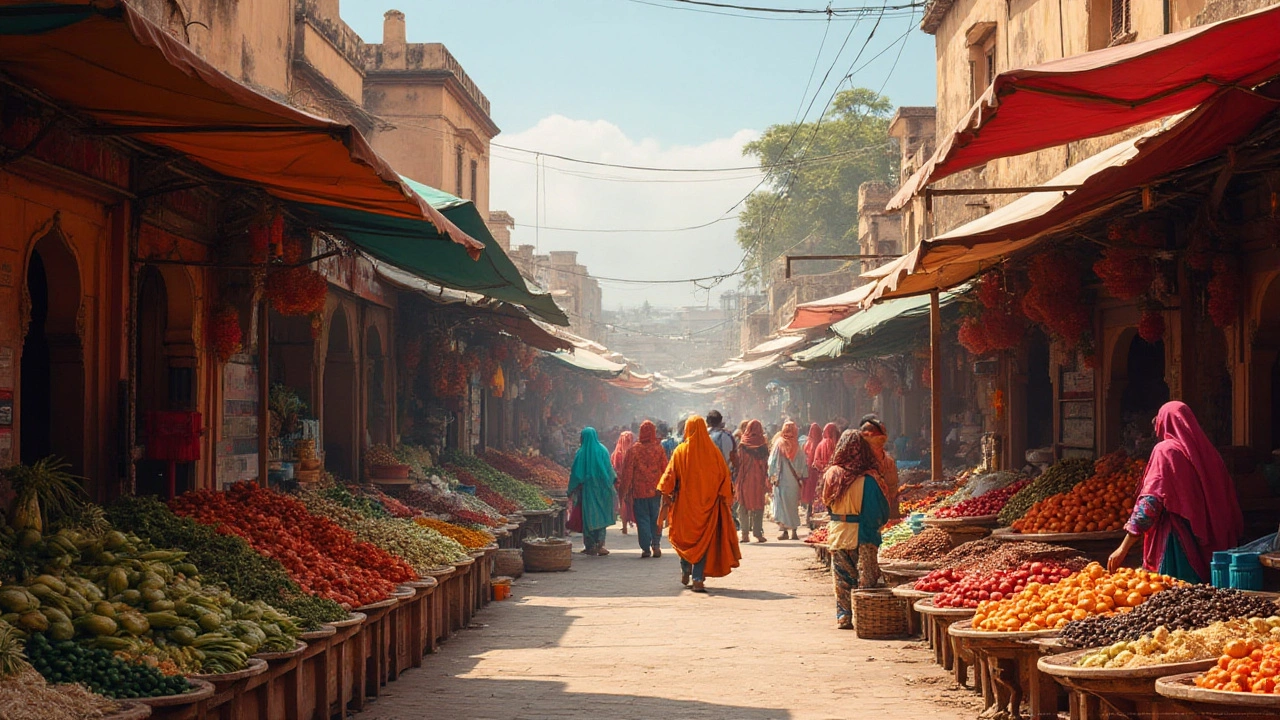
Indian Vegetarian Cultures: A Culinary Exploration
India's culinary landscape is a rich tapestry woven with a multitude of vibrant cultures, many of which uphold vegetarianism as a dietary principle. Certain Indian communities and regions historically embrace vegetarianism due to cultural, religious, and philosophical beliefs. This article explores these vegetarian traditions across India, highlighting the influence on local cuisine. Dive into the diverse vegetarian practices of Indian communities to understand how these customs shape their culinary identity.